wellness
Sun, salt and science: evidence-based wellness tips that actually work for Sunshine Coast conditions
From UV index spikes at Mooloolaba to winter humidity on the Noosa trails, local health researchers say generic advice often misses the mark for Coast residents.
Listen in English · 5 min
How we reported this
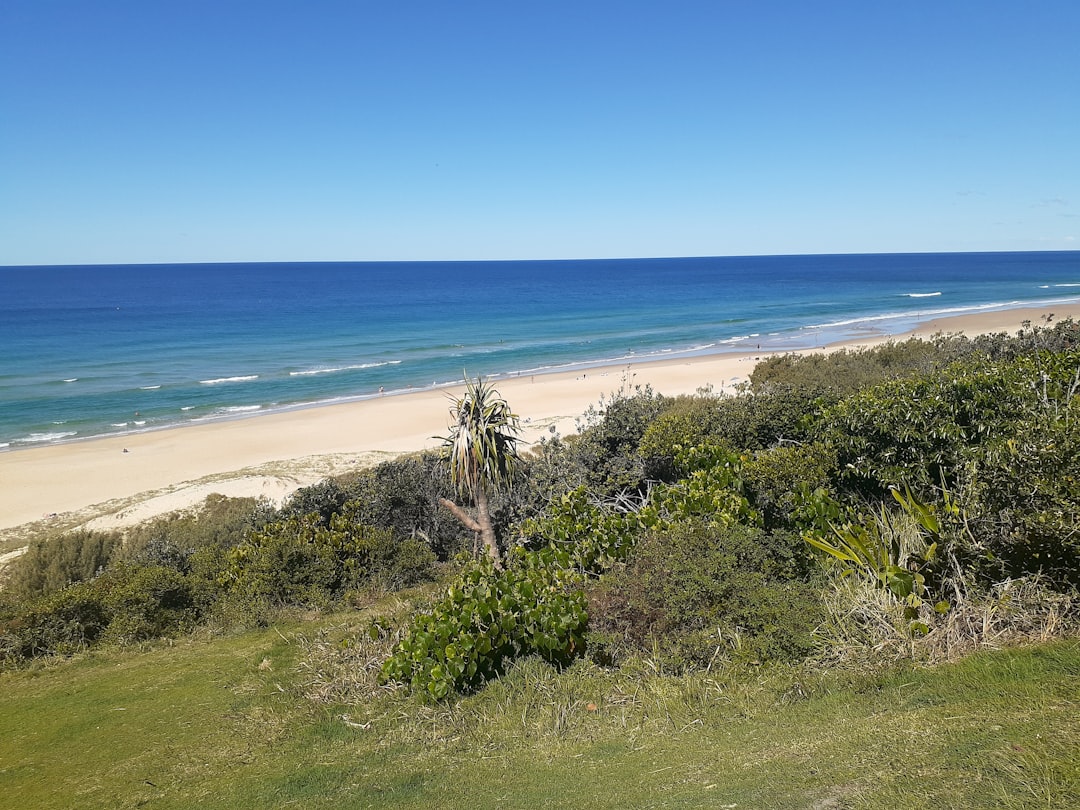
The Sunshine Coast's average July UV index still hits 5, classified as moderate-to-high by the Australian Radiation Protection and Nuclear Safety Agency, by 10 a.m. on clear mornings. That single fact dismantles one of the most persistent myths local GPs report hearing every winter: that sunscreen can be skipped once the temperature drops below 20 degrees. It can't.
Winter on the Coast is deceptively punishing. Days are shorter, but the subtropical latitude keeps solar radiation potent, and a drying northwest wind pulls moisture from skin faster than residents accustomed to humid summers typically expect. The combination produces a specific seasonal stress on the body that blanket national wellness guidelines, written with Sydney and Melbourne averages in mind, rarely address directly.
What the local evidence actually shows
University of the Sunshine Coast's Thompson Institute, based at Sippy Downs, has been tracking wellbeing and lifestyle data across the region since 2019. Its community health surveys consistently flag two findings relevant to winter months: physical activity drops by roughly 23 percent among residents over 55 between June and August, and self-reported sleep quality dips despite, or arguably because of, cooler nights. Researchers attribute the activity decline partly to the coast's own microclimate: morning fog along the Mooloolaba Esplanade and the Maroochy River flats regularly pushes start times for walkers and runners past 8 a.m., which in turn compresses exercise windows before midday UV climbs.
The practical fix, according to exercise physiology guidance aligned with USC's published research, is straightforward: shift outdoor sessions to the 7-9 a.m. window on clear mornings rather than the post-9 a.m. slot common in summer. On the Noosa National Park coastal track, which draws an estimated 1.4 million visitors per year, rangers have noted that winter walkers tend to underestimate the exposed headland sections between Tea Tree Bay and Hells Gates, where wind chill and reflective glare from the water combine. A broad-brim hat and SPF 50+ remain non-negotiable, rangers advise, even in July.
Nutrition is the other lever locals often pull wrong in winter. The Eumundi Markets, running every Wednesday and Saturday on Memorial Drive, stock an unusually diverse range of locally grown brassicas and citrus from June onward, produce that happens to be dense in vitamin C and folate at precisely the time immune systems benefit most. Spending $20-$30 at the Wednesday market can cover the bulk of a week's anti-inflammatory produce, according to accredited practising dietitians affiliated with Sunshine Coast Health who advise patients to prioritise whole food sources over supplementation where possible.
Sleep, hormones and the Coast's particular quirk
Cooler July nights, averaging 10 degrees in Maleny and 14 degrees closer to the coast, should, in theory, improve sleep onset. Yet the Thompson Institute data suggests the opposite for many residents. The likely culprit is light exposure: sunset before 5:30 p.m. in early July disrupts melatonin rhythms for people who shift their evening routines indoors under artificial lighting. The evidence-based response is low-tech. Dimming overhead lights after 7 p.m. and spending 10-15 minutes outside at dusk, even on the deck, even in a jacket, helps the brain register genuine nightfall. No supplement required.
Hydration is the final piece most Coast residents underestimate in winter. Breathing dry, cool air, combined with the region's prevailing westerlies, drives insensible water loss upward even when sweat is invisible. Targeting 2.5 litres of fluid daily remains the baseline recommendation from Queensland Health for active adults, and the figure holds in July regardless of how cool the morning feels.
Local GP clinics across Caloundra, Buderim and Noosa have reported a rise in winter presentations for skin irritation, fatigue and disrupted sleep since June. Residents experiencing persistent symptoms should book an appointment with their local GP or a Sunshine Coast-based allied health professional rather than self-diagnosing. The Coast's conditions are specific enough that a practitioner who knows the local environment will offer more tailored guidance than any general online resource, or any article, for that matter.