As winter eases and UV exposure increases, understanding how to monitor your skin and access local screening services could be the most important health habit you adopt this year.
Our reporters are based in Sunshine Coast and cover local government, business and community. The Daily Sunshine Coast is independently owned and editorially independent. Read our editorial standards →
Winter on the Sunshine Coast may bring cooler mornings, but UV exposure doesn't take a seasonal break. Dermatologists recommend annual skin checks for most Australians, and those with fair skin, a family history of melanoma, or outdoor-heavy lifestyles should consider checks every six to twelve months.
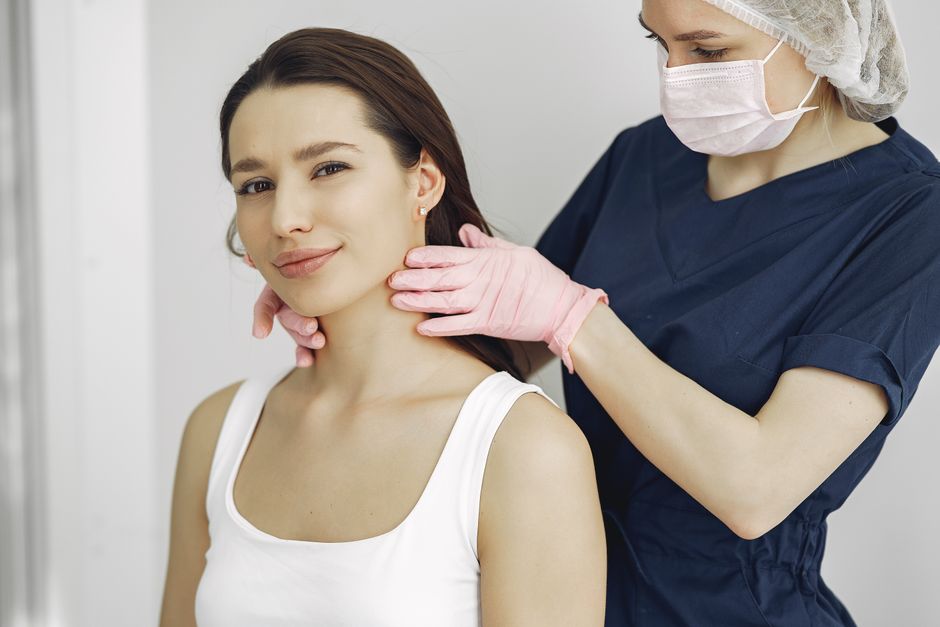
The question isn't whether you need a skin check—it's knowing where to get one locally and what to monitor between appointments. Most Sunshine Coast GPs, including practices in Noosa Heads and Mooloolaba, offer full-body skin assessments as part of preventive health visits. Expect to pay between $80–$150 for a comprehensive check through Medicare rebates, though costs vary by practice. Many practices bulk-bill eligible patients, so it's worth asking when you book.
When you attend your appointment, come prepared. Wear loose clothing you can remove easily, and arrive with clean skin—no makeup or sunscreen. Your GP will use dermoscopy (a handheld magnifying instrument) to examine moles, freckles, and any concerning spots. This takes 15–20 minutes for a thorough check.
Between professional visits, perform self-checks monthly using the ABCDE rule: Asymmetry (one half unlike the other), Border irregularity, Colour variation, Diameter larger than a pencil eraser, and Evolving (changing in size, shape or colour). Use a mirror and ask a partner to check hard-to-see areas like your back and scalp.
The Sunshine Coast's outdoor culture—morning walks along Noosa National Park's coastal track, time at Mooloolaba Esplanade, weekend farmers markets at Eumundi—makes sun exposure almost inevitable. This makes regular checks non-negotiable. Fair-skinned residents and those with 10+ moles should prioritise annual screening.
If your GP identifies anything unusual, they'll refer you to a dermatologist. The Sunshine Coast has private dermatology clinics in Buderim and Caloundra, with initial consultations typically costing $200–$300. Public dermatology services through USC Health Research Programs occasionally offer subsidised clinics for eligible patients.
Prevention remains your best defence. Daily sunscreen (SPF 30+), protective clothing, and timing outdoor activities outside peak UV hours (10am–3pm) reduce skin cancer risk significantly. Combined with annual checks, these habits form a robust preventive strategy.
Your GP is your first point of contact. Ring your local practice today to book a skin check—it's one of the simplest, most effective health investments you can make.
This article was compiled by AI from the sources linked above and screened before publishing. See our editorial standards.
This article was produced by the The Daily Sunshine Coast editorial desk and covers wellness in Sunshine Coast. See our editorial standards for how we use AI.
Enjoyed this story? Get tomorrow's briefing free.
Daily brief
Enjoyed this? Wake up to Sunshine Coast news every morning.