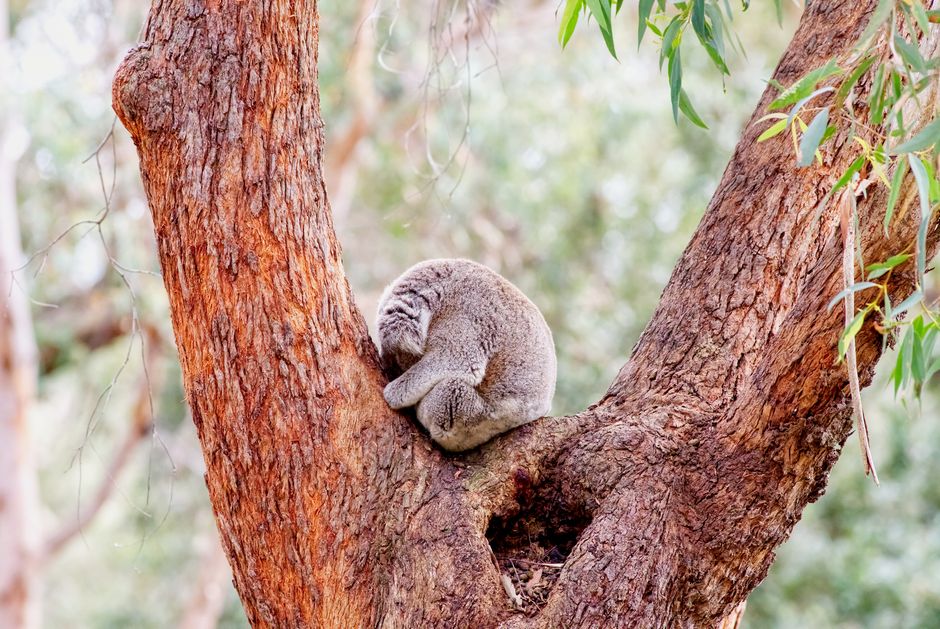
Australia's sleep crisis is real. Recent wellness surveys suggest Australians are sleeping an average of 6.5 hours per night—well below the recommended 7–9 hours—with stress, digital habits and our warming climate cited as primary culprits.
On the Sunshine Coast, the challenge is particularly acute during winter months when visitors flood the region and locals adjust to busier lifestyles. Add to that our subtropical climate, which can make bedrooms uncomfortably warm even in June, and you've got a recipe for restless nights.
"The combination of heat, screen exposure before bed, and lifestyle busyness is affecting sleep quality across all age groups," explains Dr Sarah Mitchell, a sleep wellness researcher at USC's health research programs. "The good news is that small, consistent changes yield real results."
What's driving worse sleep?
Blue light from phones and tablets suppresses melatonin production—our natural sleep hormone. Social media scrolling, work emails, and streaming services keep our minds engaged when they should be winding down. Caffeine consumption, common in our busy culture, lingers in the system for up to eight hours. And for Sunshine Coast residents, outdoor heat makes quality sleep harder without proper cool-down strategies.
What actually works
Start with your bedroom environment. Keep it cool (around 16–19°C), dark, and quiet. If you're in Noosa, Mooloolaba, or Eumundi, blackout curtains cost $40–$120 at local homeware stores and make a measurable difference. Open windows early morning and late evening to encourage air circulation.
Establish a digital curfew two hours before bed. Replace screen time with proven alternatives: a walk along Mooloolaba Esplanade, gentle stretching, or reading. This signals to your body that sleep is coming.
Watch your caffeine intake—limit to before noon. Consider your dinner timing; eating three hours before bed supports better sleep quality. And yes, socks matter: keeping feet at a comfortable temperature helps regulate core body temperature during sleep.
For Sunshine Coast locals, the Eumundi Markets offer organic herbal teas like chamomile and passionflower ($8–$15), which can support a calming bedtime ritual without pharmaceutical intervention.
If sleep problems persist beyond two weeks despite lifestyle changes, consult your local GP. Poor sleep can indicate underlying health issues worth investigating. But for most of us, consistency with these fundamentals—cool rooms, no screens, movement, and a genuine wind-down routine—transforms sleep within weeks.
The Sunshine Coast's outdoor lifestyle is an asset: use it. Morning walks at Noosa National Park set your circadian rhythm. Evening rest comes naturally when your body has genuinely earned it.
This article was compiled by AI from the sources linked above and screened before publishing. See our editorial standards.