Cold water therapy and ice bath benefits explained
From easing muscle soreness to boosting mental resilience, experts break down how cold immersion is transforming recovery routines across the Sunshine Coast.
Our reporters are based in Sunshine Coast and cover local government, business and community. The Daily Sunshine Coast is independently owned and editorially independent. Read our editorial standards →
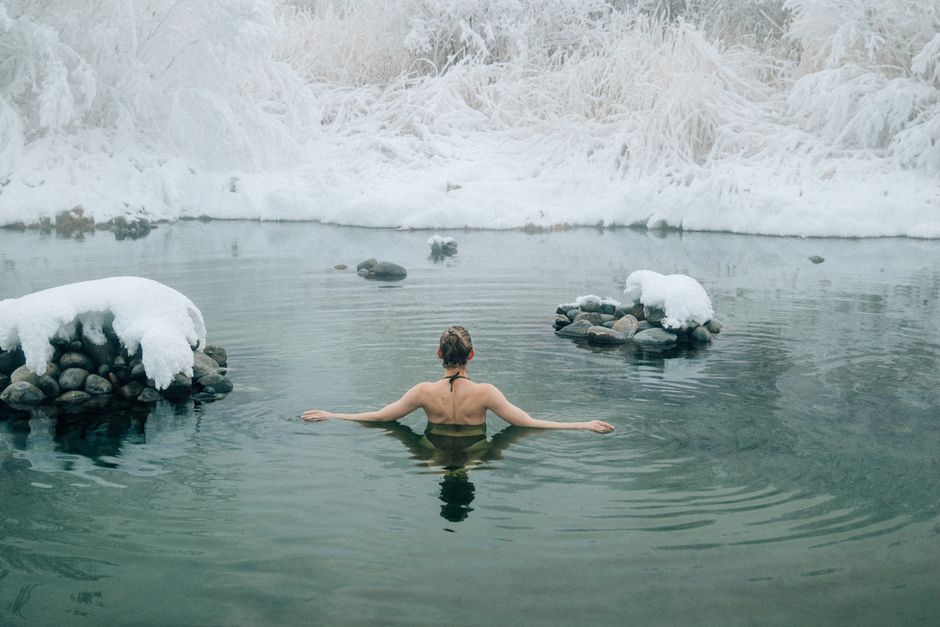
Cold water therapy has moved from niche recovery tool to mainstream wellness practice, and locals from Noosa to Mooloolaba are diving in—literally. Whether you're a weekend warrior recovering from a beach run or exploring evidence-based wellness strategies, understanding how ice baths work can help you decide if this trend suits your routine.
The science is straightforward: immersion in water below 15°C triggers a cascade of physiological responses. Blood vessels constrict, reducing inflammation and flushing metabolic waste from tired muscles. This process, called vasoconstriction, is why many athletes and fitness enthusiasts use ice baths post-workout. Local physiotherapy clinics in Mooloolaba report increased inquiries about cold water recovery, particularly among swimmers training in Laguna Bay and hikers tackling the Noosa National Park coastal track.
Beyond muscle recovery, emerging research highlights mental health benefits. Cold water exposure activates the parasympathetic nervous system, potentially reducing stress and improving mood—a welcome bonus during Queensland's winter months. Sessions as brief as three minutes can trigger these responses, making it accessible even for busy professionals navigating Eumundi markets on Saturday mornings.
However, cold water therapy isn't universally suitable. Cardiovascular stress, the risk of cold shock response, and potential dangers for those with certain health conditions mean consultation with your local GP is essential before starting. The University of the Sunshine Coast's health research programs have investigated cold therapy protocols, emphasizing that gradual acclimation—beginning with shorter durations and warmer temperatures—minimises risk.
Practical options exist beyond expensive home installations. Many coastal suburbs now feature cold plunge facilities at premium gyms; costs typically range from $15 to $25 per session. Budget-conscious enthusiasts create DIY setups using ice and standard bathtubs, though safety precautions remain critical.
For genuine beginners, cold showers offer a gentler introduction. Three to five minutes under cool-to-cold water provides similar—though milder—benefits without full immersion shock. This approach suits those easing into wellness routines at their own pace.
The key takeaway: cold water therapy delivers real physiological benefits, yet individual responses vary significantly. Rather than chasing wellness trends blindly, consider your fitness level, health history, and goals. If you're curious, start small, monitor how you feel, and consult healthcare professionals on the Sunshine Coast who understand your complete health picture.
Cold water therapy works best as part of a balanced routine—alongside proper nutrition, movement, and stress management—not as a standalone solution.
This article was compiled by AI from the sources linked above and screened before publishing. See our editorial standards.
This article was produced by the The Daily Sunshine Coast editorial desk and covers wellness in Sunshine Coast. See our editorial standards for how we use AI.
Enjoyed this story? Get tomorrow's briefing free.
Daily brief
Enjoyed this? Wake up to Sunshine Coast news every morning.