Menopause brings profound changes to a woman's body, but emerging research shows that thoughtful nutrition and exercise can ease the transition significantly. For Sunshine Coast women seeking evidence-based support, local resources and simple lifestyle shifts offer real relief.
Nutrition: Building Bone and Hormone Health
During menopause, declining oestrogen accelerates bone loss—a critical concern on the Coast, where active lifestyles mean we need strong bones for everything from beach walks to hiking Noosa National Park's coastal track. Calcium and vitamin D become non-negotiable. The Eumundi Markets, open Wednesday and Saturday mornings, stock organic leafy greens, tahini, and fortified plant-based milks that cost $4–8 per item—affordable ways to support bone density. Aim for 1,200mg of calcium daily through food sources like yoghurt, sardines, and almonds.
Protein intake matters too. Women in menopause benefit from 1.1 to 1.2 grams per kilogram of body weight daily to preserve muscle mass and metabolic rate. Local delis and grocers stock quality eggs, legumes, and lean proteins—often cheaper than processed alternatives.
Phytoestrogen-rich foods—soy products, flaxseeds, and lentils—may help with hot flushes. While evidence remains mixed, integrating these foods poses no harm and supports overall nutrition.
Exercise: Strength and Consistency Win
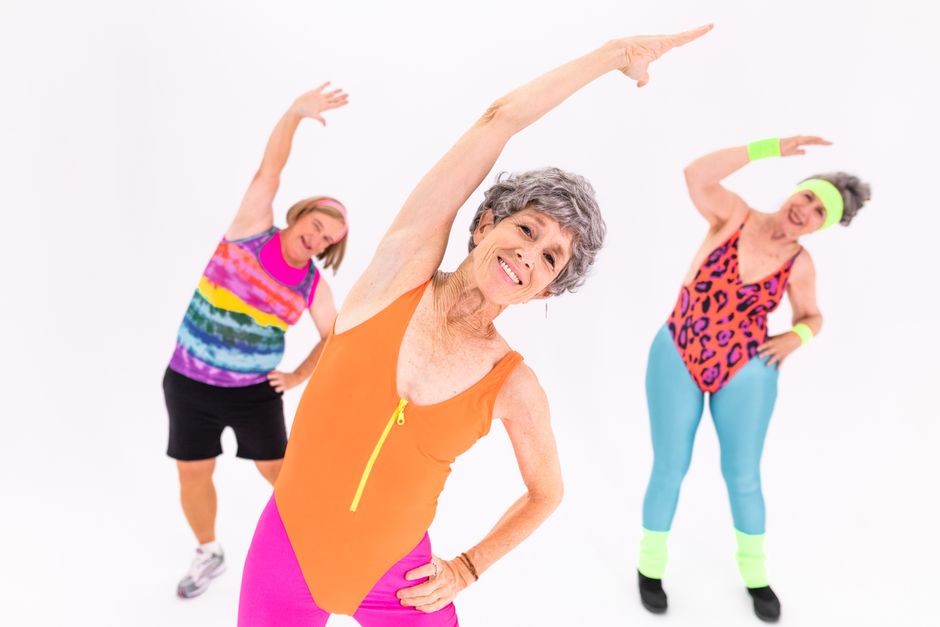
The breakthrough insight from recent wellness research is simple: smaller doses of purposeful exercise work better than intense sessions for joint protection and long-term adherence. Women navigating menopause should aim for two strength sessions weekly, combined with 150 minutes of moderate-intensity activity.
The Mooloolaba Esplanade provides a flat, scenic walking route ideal for consistent aerobic work—many locals cover 4–5km at a relaxed pace three times weekly. For strength training, bodyweight exercises—squats, wall push-ups, and step-ups—require no gym membership. The University of the Sunshine Coast (USC) offers community fitness programs starting around $120 monthly, with trainers experienced in older-adult movement patterns.
Low-impact activities like swimming and water aerobics, available at most local leisure centres, build strength without joint stress—crucial during menopause when inflammation can spike.
The Sunshine Coast Advantage
Our year-round climate makes outdoor movement feasible every week. Consistency trumps intensity; a gentle 30-minute walk three times weekly outperforms sporadic intense workouts.
Every woman's menopause journey differs. Consult your local GP or a registered dietitian to personalise these strategies for your health profile. Small, sustainable changes—sourcing nutrient-dense food locally and moving gently, regularly—create lasting wellness gains.
This article was compiled by AI from the sources linked above and screened before publishing. See our editorial standards.