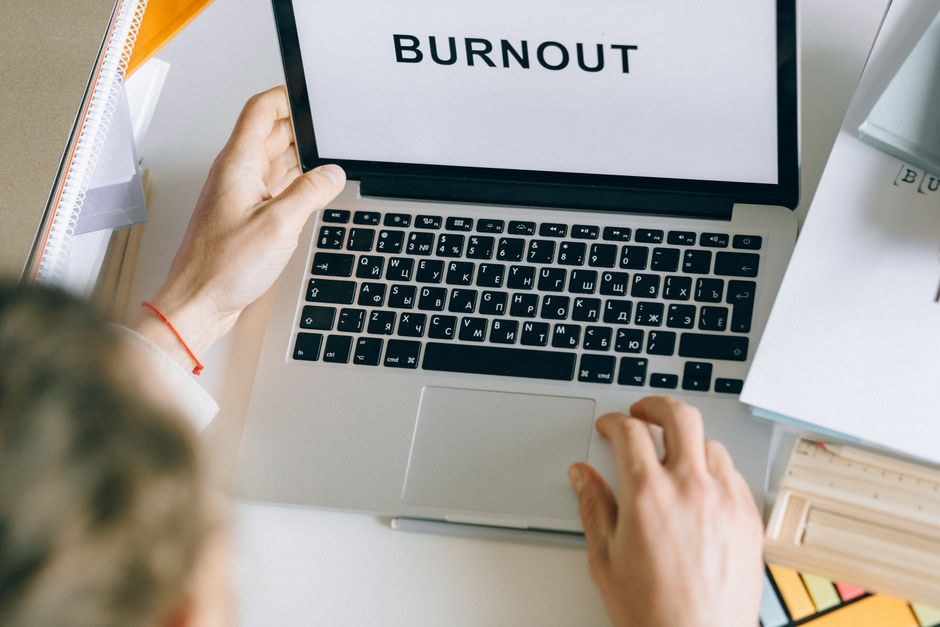
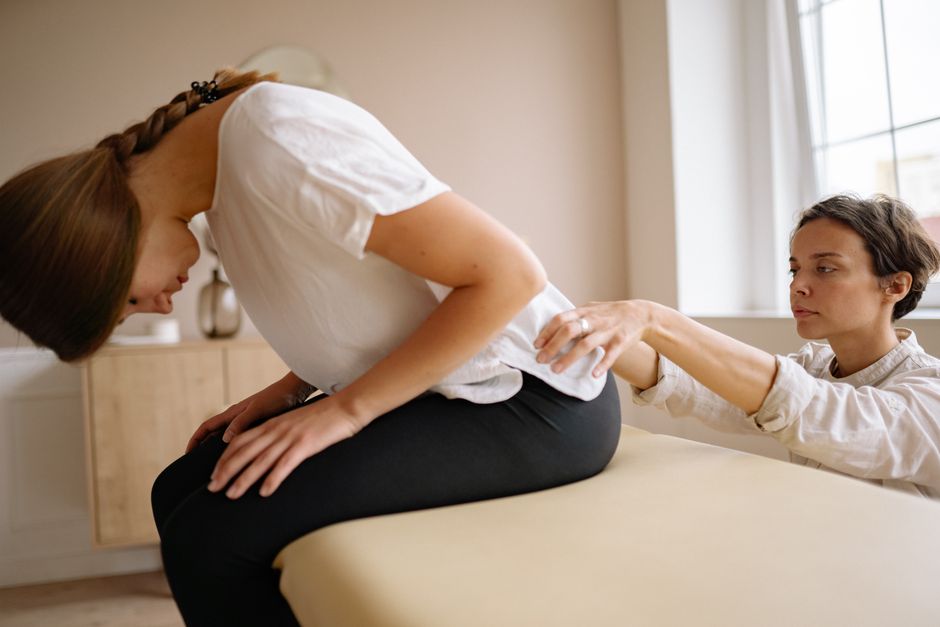
The rise of remote work has transformed how we live on the Sunshine Coast, but it's brought an unexpected shadow: screen fatigue and burnout creeping into our homes. When your bedroom doubles as your office and notifications ping until 6 p.m., the line between work and rest dissolves.
Dr Sarah Chen, who runs wellness workshops through USC's health research programs, notes that local workers report increased eye strain, neck tension, and mental exhaustion. "People work longer hours at home because they never truly leave," she explains. "The commute that used to create a natural transition—whether that was a drive or a walk through Mooloolaba—has vanished for many."
The science is clear: staring at screens for eight-plus hours daily causes digital eye strain, disrupts sleep patterns, and elevates cortisol levels. But the solution isn't heroic. It's about reclaiming small rituals.
The 20-20-20 rule works: every 20 minutes, look at something 20 metres away for 20 seconds. Set a phone timer. It costs nothing and resets your visual focus.
Physical movement is non-negotiable. A 15-minute walk through Noosa National Park's coastal track or along the Mooloolaba Esplanade breaks the spell of the screen and boosts circulation. Morning or midday walks, before the afternoon heat, work best during winter and late spring.
Create a shutdown ritual. At 5 p.m., close the laptop. Don't check email after 6 p.m. This boundary is harder than it sounds but essential. Your nervous system needs to believe work has ended.
Optimize your workspace. Position your monitor at eye level, 50–70 centimetres away. Invest in a desk lamp (around $40–80 at Eumundi markets or local retailers) to reduce glare. Good ergonomics prevent neck and shoulder pain that compounds mental fatigue.
Digital detox windows matter. One hour before bed, put screens away. The blue light disrupts melatonin production. Read, stretch, or sit outside instead.
Connect with others. Remote work can feel isolating. Schedule a coffee catch-up at a Mooloolaba café or join a wellness group. Social connection buffers against burnout.
Burnout doesn't announce itself loudly. It creeps in as persistent tiredness, irritability, or cynicism about work you once enjoyed. If these feelings persist despite lifestyle changes, speak with your local GP. They can rule out underlying health issues and refer you to support services.
The Sunshine Coast's natural beauty is a gift remote workers can leverage. Step outside regularly. Your eyes, neck, and mind will thank you.
This article was compiled by AI from the sources linked above and screened before publishing. See our editorial standards.