Technology
Sunshine Coast Coworking Spaces Get AI Tech and New Micro-Hubs
From AI-integrated hot desks to neighbourhood micro-hubs, the next wave of remote work infrastructure is already being built across the Coast.
How we reported this
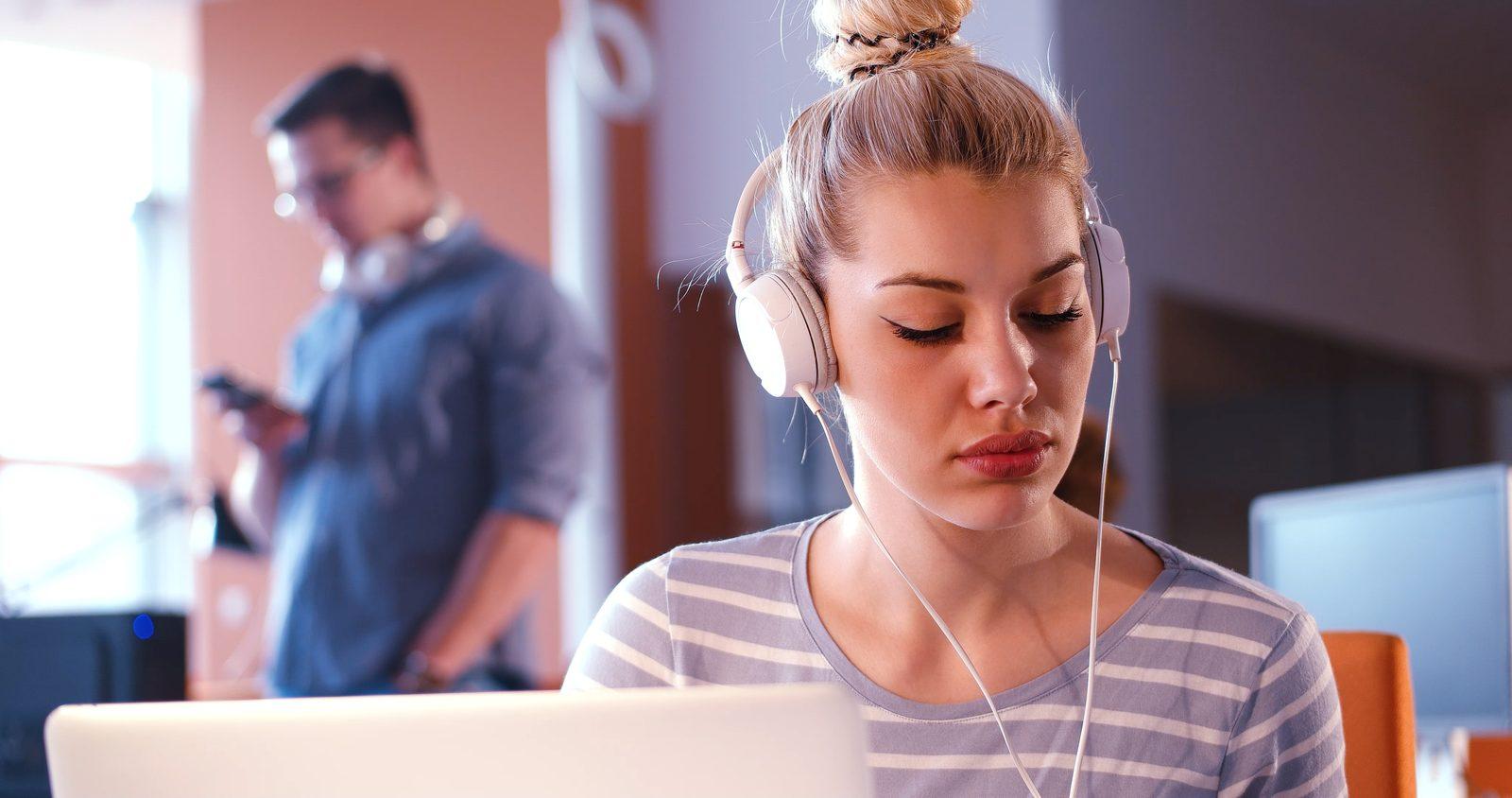
The Sunshine Coast's coworking sector is about to look very different. By the third quarter of 2027, at least three new facilities are slated to open between Maroochydore's CBD core and the Birtinya health and knowledge precinct, with operators promising a generation of workspace technology that goes well beyond fast Wi-Fi and a decent coffee machine.
The timing matters because the remote and hybrid work experiment has stopped being experimental. Australian Bureau of Statistics data released in May 2026 showed 38 percent of employed Australians still work from home at least three days a week, a figure that has barely shifted since 2023. Employers have largely accepted it. Workers have come to expect it. The question now is where the physical infrastructure goes from here, and the Sunshine Coast, with its fast-growing population pushing toward 400,000 residents, is squarely in the middle of that answer.
What the Next Generation of Spaces Actually Looks Like
Flex Maroochydore, which currently operates out of a converted warehouse on Aerodrome Road, has confirmed it will begin a $2.1 million fitout later this year that includes AI-assisted room booking, ambient noise cancellation built into the ceiling panels, and what the company is calling "presence detection", sensors that let members see real-time desk availability through an app before they leave home. The fitout is scheduled for completion by February 2027.
Across town, the Caloundra co-working collective known as The Hub on Bulcock has been quietly piloting a hot-desk subscription model priced at $149 a month, undercutting most Brisbane CBD equivalents by roughly 40 percent, and plans to roll out a dedicated podcast and video studio suite by October 2026. The move reflects a broader industry shift: remote workers are no longer just typing documents. They are producing content, running client calls with broadcast-quality setups, and competing in markets that expect professional production.
Separately, Sunshine Coast Council's Economic Development directorate confirmed in June that it is funding a feasibility study into neighbourhood micro-hubs, small, 20-to-30 desk facilities embedded in suburban centres like Buderim, Sippy Downs, and Coolum Beach. The logic is straightforward: if workers still have to drive 25 minutes to reach a coworking space, the model hasn't solved the commute problem, it has just relocated it.
The Technology Layer Nobody Is Talking About Enough
Hardware is changing the equation too. New peripheral devices, compact, programmable control pads designed to manage video calls, mute functions, lighting presets, and display switching from a single surface, are moving from novelty to standard desk kit. Several coworking operators nationally are beginning to include them in premium desk packages rather than leaving members to assemble their own gear.
Browser and software fragmentation is also becoming a workspace management headache. Facilities running room-booking, member invoicing, visitor check-in, and building access through separate platforms are increasingly moving to unified operating systems designed specifically for coworking. Rubix, a Brisbane-based workspace software firm, launched a Sunshine Coast sales presence in March 2026 and has already signed two local operators.
The AI layer is arriving more quietly than the hype suggested it would. Rather than dramatic chatbot concierges at reception desks, operators are finding value in back-end tools that predict peak usage days, flag underutilised desks, and auto-generate member invoices. Practical, unglamorous, and evidently effective enough that adoption is accelerating.
For remote workers on the Sunshine Coast deciding what to do next, the practical advice is to watch the second half of 2026 closely before locking into long-term memberships. Several of the facilities currently available will look substantially different, or will have new competition nearby, within 18 months. If your current setup costs more than $200 a month for a hot desk and doesn't include a dedicated video-call room, it is worth revisiting your options before the end of the year. The market is moving, and it is moving toward you.