Why Sunshine Coast Weekends Beat Global Counterparts: A City That Refuses to Choose Between Beach and Culture
From coastal hinterland villages to world-class cultural precincts, the Coast delivers leisure experiences that rival destinations three times its size.
Our reporters are based in Sunshine Coast and cover local government, business and community. The Daily Sunshine Coast is independently owned and editorially independent. Read our editorial standards →
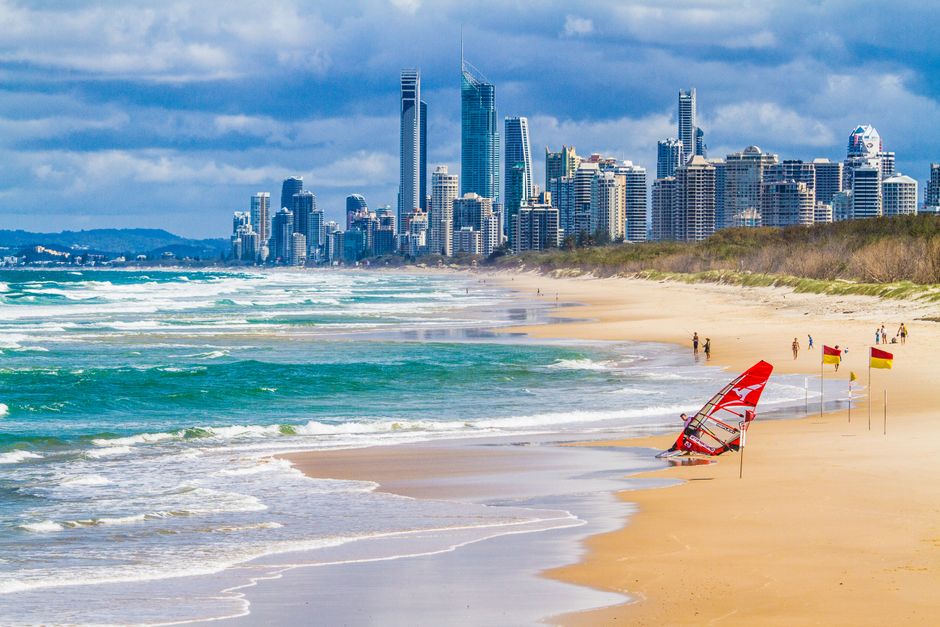
Most global cities force you to choose: pristine beaches or cultural depth. Paris demands you surrender the coastline. Sydney's Bondi sacrifices inner-city museums for sand. The Sunshine Coast has engineered something rarer—a weekend ecosystem where both thrive without compromise.
Take a Saturday morning. You could be hiking through the Kondalilla Falls National Park in Mapleton, where misty waterfalls cascade through subtropical rainforest just 25 minutes from the CBD. The loop walk takes 2.6 kilometres and costs nothing. By lunchtime, you're at Noosa Heads sampling the latest farm-to-table offerings along Hastings Street, where independent restaurants prioritise local producers over franchise predictability. A table at most venues runs $35–$65 per person, consistently undercut comparable beach suburbs in Melbourne or Brisbane.
What separates the Coast from other leisure destinations globally is the geographic compression. Unlike the Gold Coast's sprawl or international cities where beaches and culture occupy different hemispheres, the Sunshine Coast delivers both density and breathing room. The hinterland villages—Maleny, Montville, Mapleton—sit merely 30 kilometres inland, yet feel genuinely removed. These communities maintain independent identity precisely because they're close enough for weekend escapes but far enough to resist homogenisation.
Sunday pivots smoothly toward cultural engagement. The Sunshine Coast Arts Centre in Caloundra hosts rotating exhibitions alongside theatre programming that punches above regional weight. Admission typically costs $15–$20. Local galleries cluster densely around Alexandra Headland and Coolum, where emerging artists occupy converted weatherboard houses rather than sterile white-box galleries found in larger cities.
The distinction sharpens when you consider accessibility. A weekend pass combining coastal activities, hinterland exploration, and cultural engagement realistically costs $120–$180 per person—genuinely affordable for families. Compare London (where a single museum entry runs £20 and coastal day trips require three-hour rail journeys) or Barcelona (where beach weekends compete with Gothic Quarter crowds at premium prices across both activities).
The Coast's competitive advantage also lies in seasonal predictability. Unlike Mediterranean destinations facing summer overcrowding or northern hemisphere cities enduring winter hibernation, the Sunshine Coast delivers reliable 20–26 degree temperatures year-round. Winter weekends remain genuinely pleasant—a luxury most global cities cannot claim.
This isn't nostalgia-driven marketing. It's geographic and economic fact: the Sunshine Coast has managed what larger cities cannot—maintaining authentic local character while delivering international-standard leisure infrastructure. Your weekend here involves genuine choice, not compromise.
This article was compiled by AI from the sources linked above and screened before publishing. See our editorial standards.
This article was produced by the The Daily Sunshine Coast editorial desk and covers lifestyle in Sunshine Coast. See our editorial standards for how we use AI.
Enjoyed this story? Get tomorrow's briefing free.
Daily brief
Enjoyed this? Wake up to Sunshine Coast news every morning.