Ask a commuter in London about their daily tube journey, or a Sydney commuter stuck on the M4, and you'll hear familiar refrains of congestion, delays, and stress. But on the Sunshine Coast, a different transport narrative is quietly emerging—one that challenges the assumption that bigger cities must mean worse commutes.
What sets us apart isn't a single innovation, but rather a philosophy of integrated, human-scaled movement that has become increasingly rare globally. While cities like Copenhagen and Amsterdam are celebrated for their cycling infrastructure, the Sunshine Coast has achieved something arguably more ambitious: weaving together multiple transport modes in a subtropical context that few other cities can replicate.
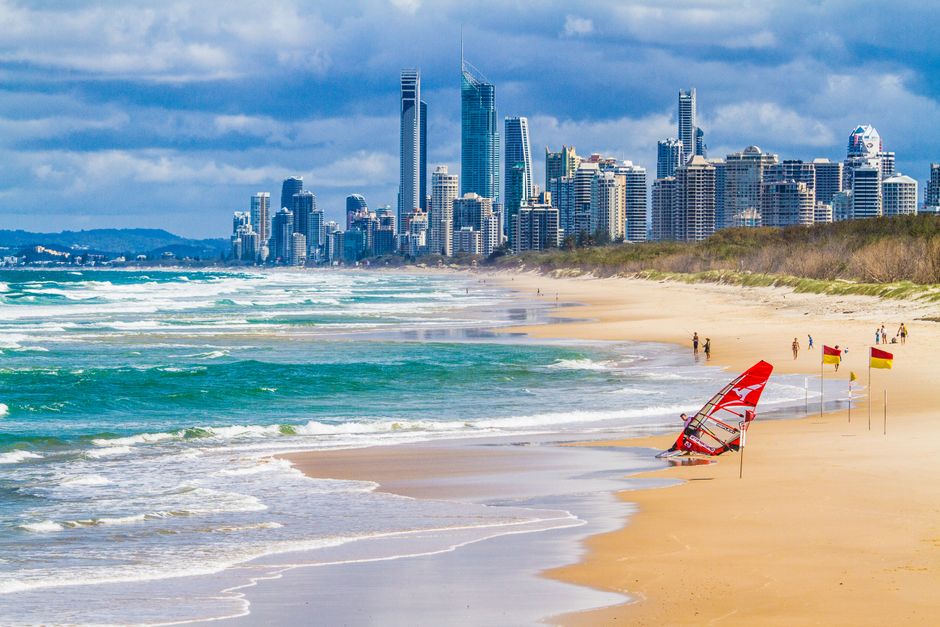
Consider the Coastal Path network that connects Caloundra through to Noosa—over 60 kilometres of dedicated cycling and walking routes that run parallel to our beaches. Compare this to Melbourne's bike lanes, which are often separated from nature by urban density, or San Francisco's limited topography-friendly options. Here, commuting from Mooloolaba to the CBD can mean a scenic 45-minute ride rather than a car-dependent slog.
But cycling alone doesn't solve our puzzle. The recent expansion of the Sunshine Coast Water Taxi service—operating from Maroochydore to Noosa Heads—offers what few international cities have successfully implemented: a genuinely viable aquatic commute. Dubai's abra system and Bangkok's longtail boats serve tourism primarily; ours increasingly moves professionals to their offices.
Our bus rapid transit system, while still evolving, demonstrates what experts call "density-appropriate transport." Unlike sprawling American cities requiring freeways, or packed Asian megacities where metro systems cost billions, our network scales to our actual population patterns. Peak-hour congestion on the Bruce Highway remains manageable compared to the 90-minute commutes common in Melbourne or Brisbane.
The Sunshine Coast Regional Council's commitment to the $1.8 billion transport infrastructure program through 2030 reflects an understanding that growth needn't mean gridlock. Projects like the upgraded connections through Sippy Downs and the enhanced bus corridors on Nicklin Way are designed with foresight rather than desperation.
Perhaps most importantly, our climate advantage cannot be overstated. Year-round riding weather and safe, well-lit pathways mean viable alternatives to cars exist 365 days annually—something Toronto, Chicago, and Northern Europe cannot guarantee. This isn't just infrastructure; it's lifestyle enablement.
As global cities grapple with congestion and carbon emissions, the Sunshine Coast offers something increasingly valuable: a commuting system designed around wellbeing rather than sheer throughput. That's our genuine competitive advantage.
This article was compiled by AI from the sources linked above and screened before publishing. See our editorial standards.