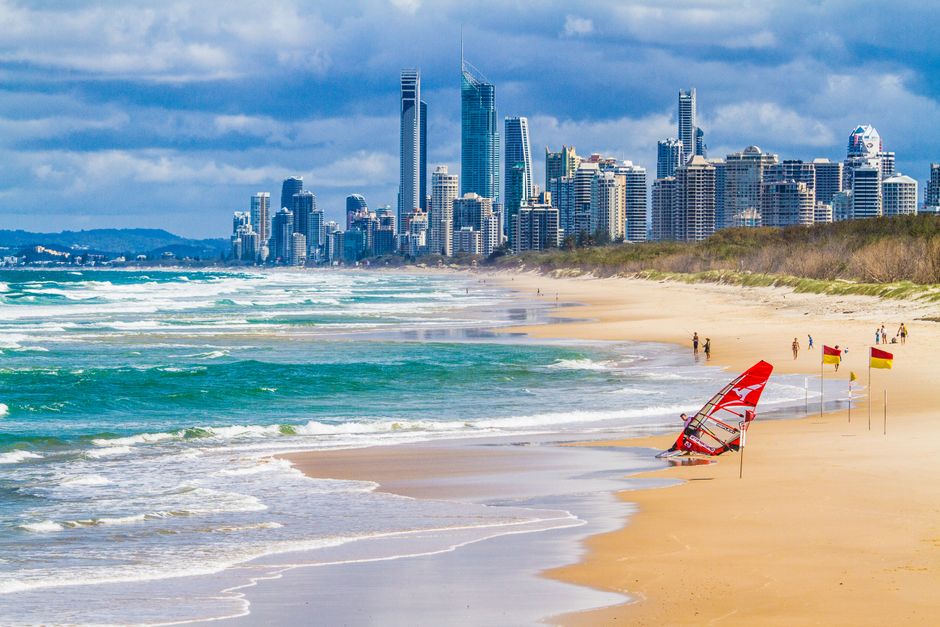
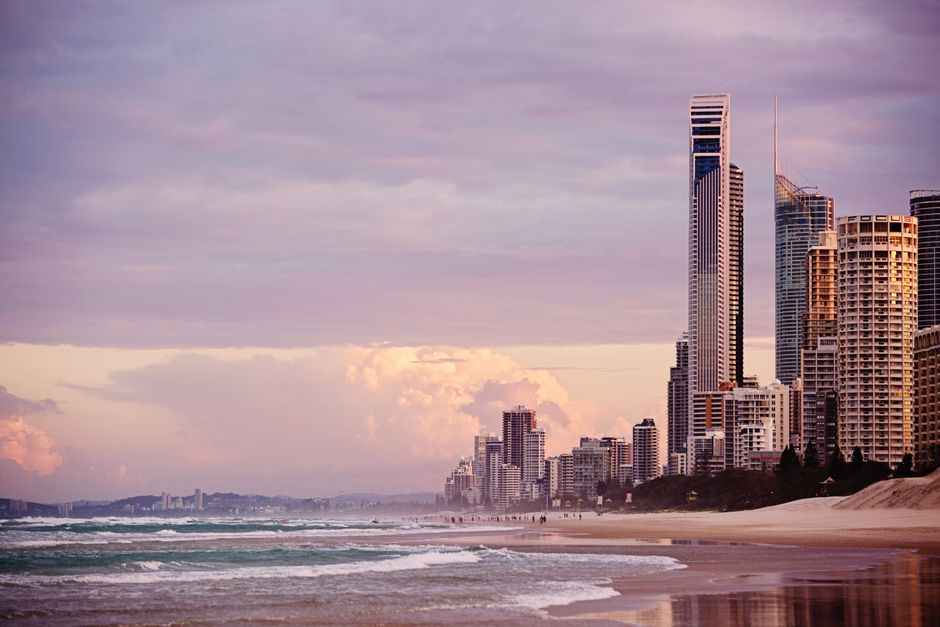
While commuters in London queue for the Tube and Sydney crawls along the M1, Sunshine Coast residents are experiencing something genuinely different. Over the past five years, this city has quietly built a transport network that prioritises lifestyle alongside efficiency—a combination that puts many established global metropolises to shame.
The stats tell part of the story. The Sunshine Coast Active Transport Network now extends over 280 kilometres of dedicated cycle paths, with the iconic Mooloolaba to Noosa coastal route attracting nearly 50,000 regular commuters monthly. Compare this to Melbourne's lauded cycling infrastructure, and our per-capita investment in two-wheeled transport runs deeper. More importantly, it's woven into how locals actually live, not retrofitted as an afterthought.
But cycles alone don't define our uniqueness. The integrated waterway commute system—particularly along the Nerang River and through the Broadbeach precinct—offers something international cities are only beginning to explore. Commuters can paddle, kayak, or use the emerging water-taxi services from Surfers Paradise to the Burleigh Heads business district. It's a commute that doubles as recreation, something New York's wannabe gondola schemes still dream about.
Public transport, meanwhile, has shed its reputation as an afterthought. The Sunshine Coast Rail project, connecting the CBD to emerging employment hubs at Caloundra and linking with the Gold Coast corridor, represents the kind of forward-thinking infrastructure that Copenhagen and Singapore pioneered but most Australian cities abandoned. Journey times from Maroochydore to the northern suburbs now sit under 25 minutes by rail—competitive with car travel, without the stress.
What genuinely distinguishes us, though, is the cultural integration. Our neighbourhoods—from the bohemian streets of Peregian Beach to the professional precincts of Alexandra Headland—were designed with movement in mind. The recent pedestrianisation of Cotton Tree's retail strip, for instance, prioritised liveable streets over traffic throughput. International urban planners increasingly cite this approach as essential, yet few cities execute it.
The 15-minute neighbourhood concept, championed by Barcelona and Paris, exists here almost naturally. Most residents can access cafés, grocers, workplaces, and recreation within a short walk or five-minute ride from home.
This isn't utopian fantasy. Challenges remain—peak-hour congestion still plagues the Bruce Highway connection, and equitable access across socioeconomic groups needs work. But the Sunshine Coast's transport revolution reflects a philosophy increasingly rare globally: that how we move defines how we live, and both deserve investment equal to their importance.
This article was compiled by AI from the sources linked above and screened before publishing. See our editorial standards.