Why Sunshine Coast Stands Apart: The Global City That Refuses to Choose Between Nature and Culture
Unlike sprawling metropolises worldwide, our city has mastered the art of balancing world-class urban living with untamed coastal wilderness—and locals wouldn't have it any other way.
Our reporters are based in Sunshine Coast and cover local government, business and community. The Daily Sunshine Coast is independently owned and editorially independent. Read our editorial standards →
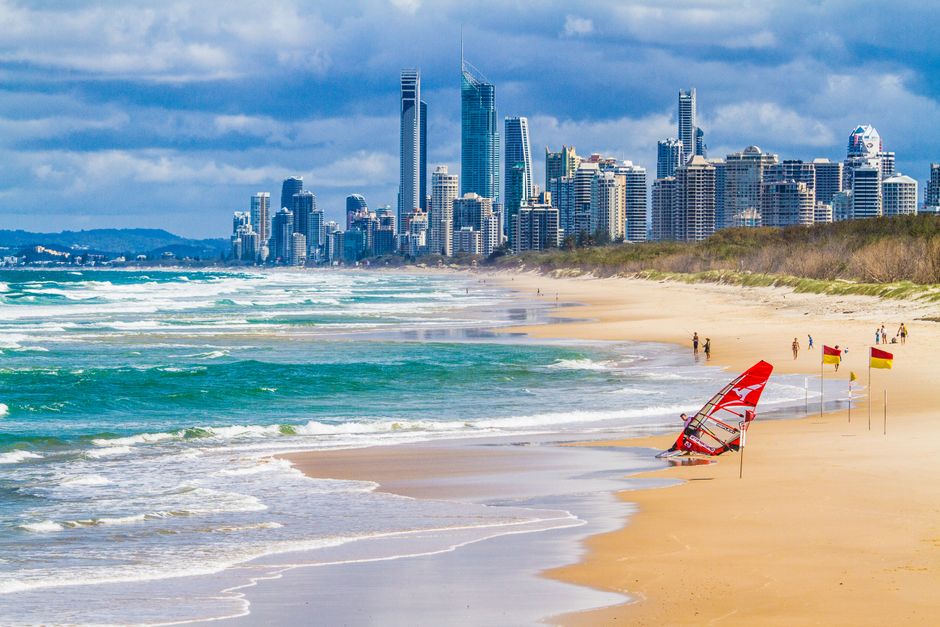
Walk through Mooloolaba on a Saturday morning and you'll witness something increasingly rare in global cities: families queuing for fresh coffee while dolphins glide past the pier. This isn't a contradiction—it's the Sunshine Coast's defining characteristic, and it's what fundamentally separates us from comparable lifestyle destinations around the world.
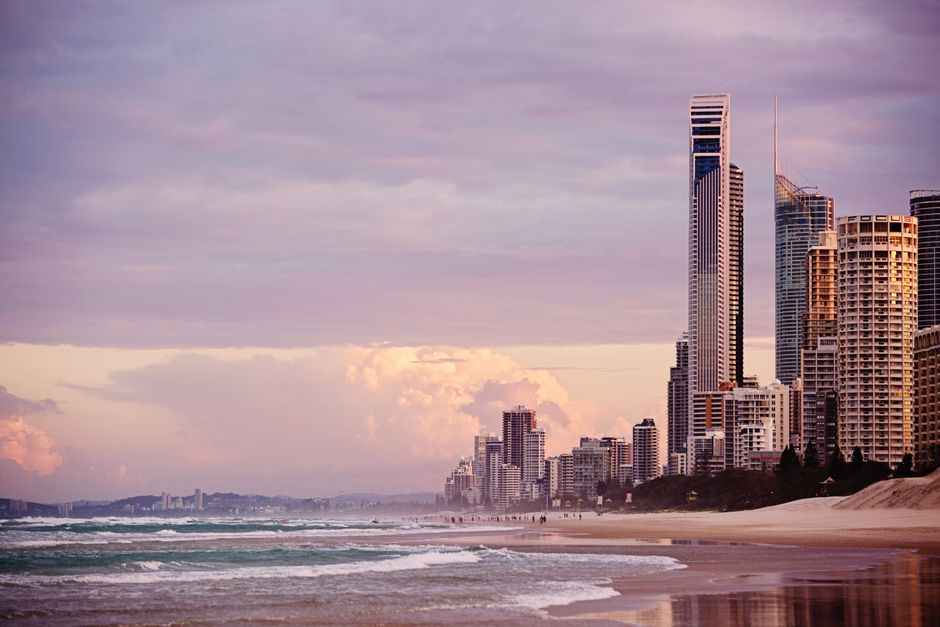
Where Melbourne trades nature for laneway culture, and Sydney's beaches compete with congestion, the Sunshine Coast has engineered something different. Our neighbourhoods don't ask residents to choose between access to wilderness and urban sophistication. Noosa Heads delivers fine dining and gallery spaces mere metres from national park walking trails. Cotton Tree's riverside precinct offers boutique shopping and craft breweries with unobstructed hinterland views. Even Alexandra Headland, our emerging creative hub, sits minutes from pristine beaches while hosting independent galleries, design studios, and specialty restaurants.
The numbers reflect this balance. Property values in established neighbourhoods like Coolum Beach average $1.2–1.8 million, comparable to global lifestyle cities, yet residents here enjoy something Barcelona or San Diego dwellers pay premium prices for—genuine outdoor recreation accessible within minutes, not hours.
What truly distinguishes Sunshine Coast is our community infrastructure philosophy. Unlike vertical cities where 'neighbourhood' means a postcode, our suburbs have invested heavily in activated public spaces. Kawana Waters' community hub, the Sunshine Coast Council's network of coastal villages, and grassroots initiatives along Alexandra Parade create genuine social fabric. The Sunshine Coast Library network reports some of Australia's highest community engagement rates, while local organisations like the Sunshine Coast Arts Centre maintain accessibility that contrasts sharply with gentrified cultural precincts elsewhere.
Our climate advantage cannot be overlooked—but it's not just about sunshine. The subtropical setting enables year-round outdoor community programming: beachside yoga, waterfront cinema, trail running groups. These aren't luxury add-ons; they're woven into how we live. Compare this to cities where outdoor gatherings are seasonal propositions or carefully curated Instagram moments.
The Sunshine Coast's trajectory suggests we're proving a thesis many global cities are grappling with: that true livability doesn't mean density at the expense of nature, nor nature at the expense of culture. Our hinterland villages like Mapleton maintain artisan communities while remaining deeply connected to coastal life. Our beachside precincts welcome international-standard dining and design without surrendering their environmental character.
As global cities become increasingly homogenised by corporate chains and property speculation, the Sunshine Coast's stubborn commitment to preserving its distinctive character—where local markets matter, independent venues thrive, and the ocean remains central to identity—makes it genuinely unique among world-class lifestyle destinations.
This article was compiled by AI from the sources linked above and screened before publishing. See our editorial standards.
This article was produced by the The Daily Sunshine Coast editorial desk and covers lifestyle in Sunshine Coast. See our editorial standards for how we use AI.
Enjoyed this story? Get tomorrow's briefing free.
Daily brief
Enjoyed this? Wake up to Sunshine Coast news every morning.