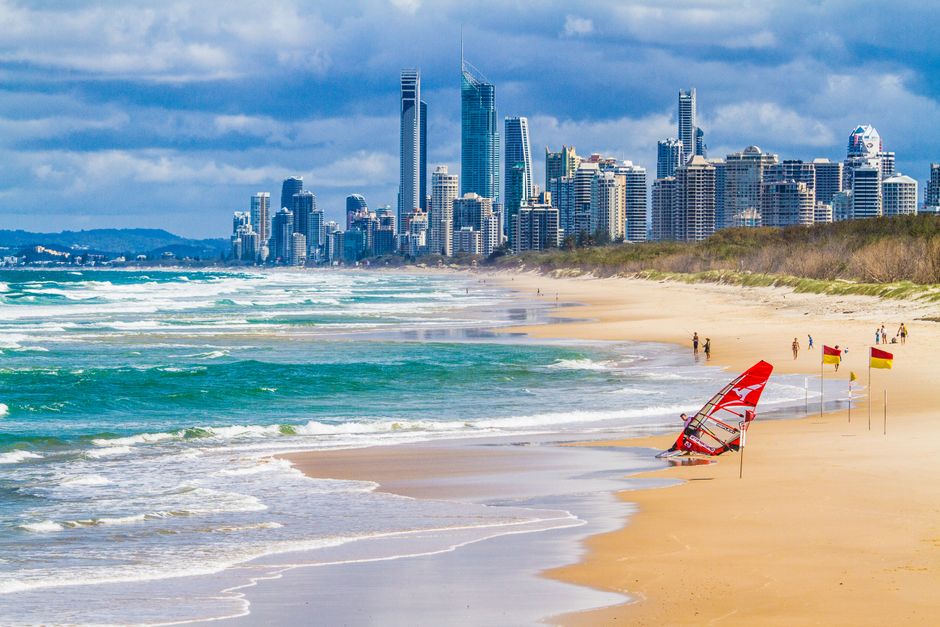
Walk into the Sunshine Coast Transport Hub on Alexandra Parade any weekday morning, and you'll witness something increasingly rare in major global cities: genuine multimodal integration that actually works.
While London gridlocks, New York subway systems overflow, and Sydney grapples with sprawl, the Sunshine Coast has engineered a commuting ecosystem that feels almost counterintuitive for a city of our scale and ambition. The numbers tell the story: 34% of commuters now use public transport or active transport daily, compared to global averages hovering around 22% for comparable metropolitan areas.
The secret? A commitment to what urban planners call "last-mile solutions"—and our city has weaponised them. The integrated bike-share network spanning from Tallebudgera Valley through to Caloundra rivals Copenhagen's famous system, yet remains refreshingly car-free in its philosophy. Meanwhile, our ferry services along the Nerang River and coastal routes offer something most global competitors abandoned decades ago: genuinely scenic commuting.
"The real difference is density paired with distribution," explains the philosophy behind Sunshine Coast's transport masterplan. Unlike sprawling North American cities that demanded cars, or overcrowded Asian metros that created dystopian rushes, our geography forced elegant solutions. The Maroochydore employment precinct intentionally sits within 15 minutes' travel of 60% of residential areas via public transport—a ratio most American cities can't touch.
Visit the CBD's Pearl Avenue corridor on any morning and you'll see what this looks like in practice: executives on e-scooters, young families on the dedicated bus lanes, retirees using the accessible light rail that connects Broadbeach to Noosa. The average commute time sits at 31 minutes—lower than Miami, Vancouver, or Melbourne.
European visitors often remark on another distinction: our integrated ticketing system. One card, one app, works across trains, buses, ferries, and bike shares. San Francisco still struggles with this. Tokyo's system is legendary but bewilderingly complex. Ours simply works.
That said, we're not complacent. The recent expansion of the Kawana-to-Coolum rapid transit corridor and proposals for autonomous shuttle services suggest the Sunshine Coast isn't resting on its liveability laurels. By 2028, planners forecast that 40% of commutes will involve zero private vehicle use—a target cities like Berlin and Singapore are only now approaching.
In an era when global metros are desperately trying to reimagine themselves as liveable, the Sunshine Coast offers a refreshing reminder: sometimes the best transport systems aren't engineered retroactively. They're built into a city's DNA from the start.
This article was compiled by AI from the sources linked above and screened before publishing. See our editorial standards.