Noosa's Adventure Tourism Scene Is Transforming Into Year-Round Wellness Destination
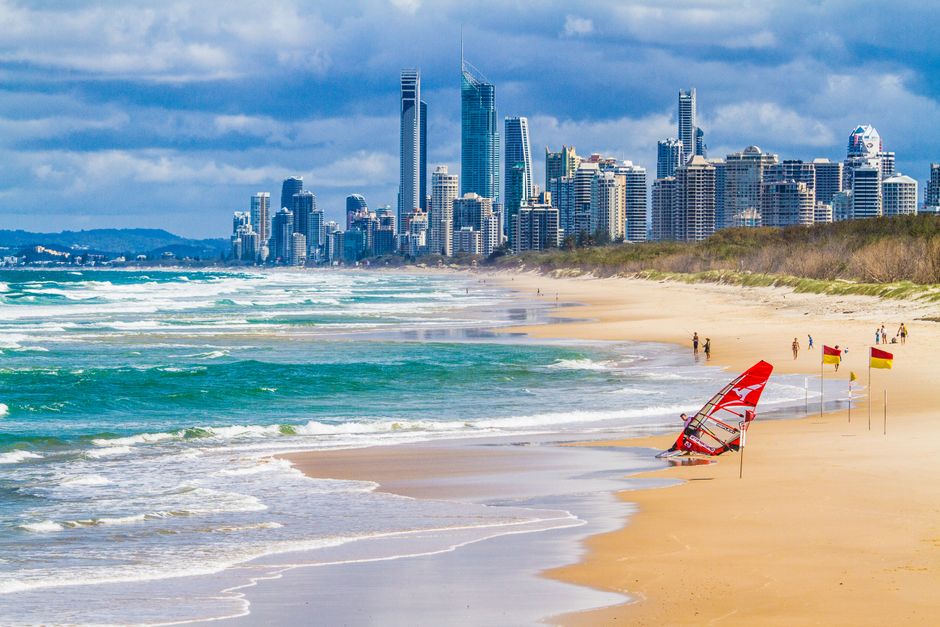
Once a summer-focused beach hub, the Noosa precinct is evolving into a sophisticated wellness and eco-tourism corridor that's redefining what weekend getaways mean for Sunshine Coast visitors.
Our reporters are based in Sunshine Coast and cover local government, business and community. The Daily Sunshine Coast is independently owned and editorially independent. Read our editorial standards →
The Noosa region has undergone a subtle but significant transformation over the past eighteen months, shifting from its traditional identity as a seasonal beach destination toward a year-round wellness and adventure tourism hub. What was once a predictable pattern of school holidays and summer crowds is now giving way to a more diverse visitor economy that's reshaping how locals and tourists alike spend their weekends.
The evolution is most visible along Hastings Street, where boutique wellness studios and farm-to-table dining venues have begun replacing the vintage souvenir shops that dominated the precinct five years ago. New wellness retreats in the hinterland—particularly around Montville and Mapleton—are now offering weekend packages combining meditation, organic cuisine, and guided nature walks, attracting professionals seeking digital detox experiences alongside traditional beach holidays.
Data from the Sunshine Coast Tourism Board shows that shoulder-season visitor numbers (March to May and September to November) have increased by 34% since 2024, suggesting the region is successfully extending its appeal beyond peak summer months. Adventure operators report that activities like stand-up paddleboarding, coastal hiking, and guided kayaking tours through the Noosa Everglades now operate consistently year-round, with winter months attracting visitors keen to escape colder climates.
The shift reflects broader demographic changes in day-trip preferences. Younger professionals aged 25-40 increasingly favour multi-activity weekends combining outdoor adventure, cultural experiences, and wellness programming rather than passive beach lounging. Local organisations like Noosa Parks Association have responded by developing enhanced trail networks and interpretive signage that educate visitors about biodiversity and indigenous heritage—adding cultural depth to traditional recreation.
Accommodation pricing reflects this evolution too. While beachfront properties maintain premium rates ($280-$350 per night), hinterland wellness retreats and eco-lodges have emerged as competitive alternatives ($150-$220), offering different value propositions that appeal to diverse visitor segments. This diversification has helped distribute visitor pressure more evenly across the broader region rather than concentrating it in Hastings Street.
Restaurant and café operators have noticed shifts in consumer behaviour. Breakfast culture now extends through weekdays, with venues reporting steady mid-week custom from remote workers treating the region as a base for hybrid work-leisure trips. This represents a fundamental departure from the old Friday-to-Sunday visitor model.
For weekend planners, this evolution offers genuine advantages: shorter queues during traditional peak times, more sophisticated dining and wellness options, and a region increasingly confident in marketing itself as a lifestyle destination rather than simply a beach town. Whether seeking adventure, wellness, or culture, the Noosa precinct's transformation suggests the Sunshine Coast's golden age of leisure tourism may only be beginning.
This article was compiled by AI from the sources linked above and screened before publishing. See our editorial standards.
This article was produced by the The Daily Sunshine Coast editorial desk and covers lifestyle in Sunshine Coast. See our editorial standards for how we use AI.
Enjoyed this story? Get tomorrow's briefing free.
Daily brief
Enjoyed this? Wake up to Sunshine Coast news every morning.