Whether you're a new resident or a long-time local looking to refresh your outdoor routine, Sunshine Coast's network of parks and green spaces offers something for everyone. With over 2,000 hectares of public parkland across the region, the challenge isn't finding a place to spend time outdoors—it's knowing where to start.
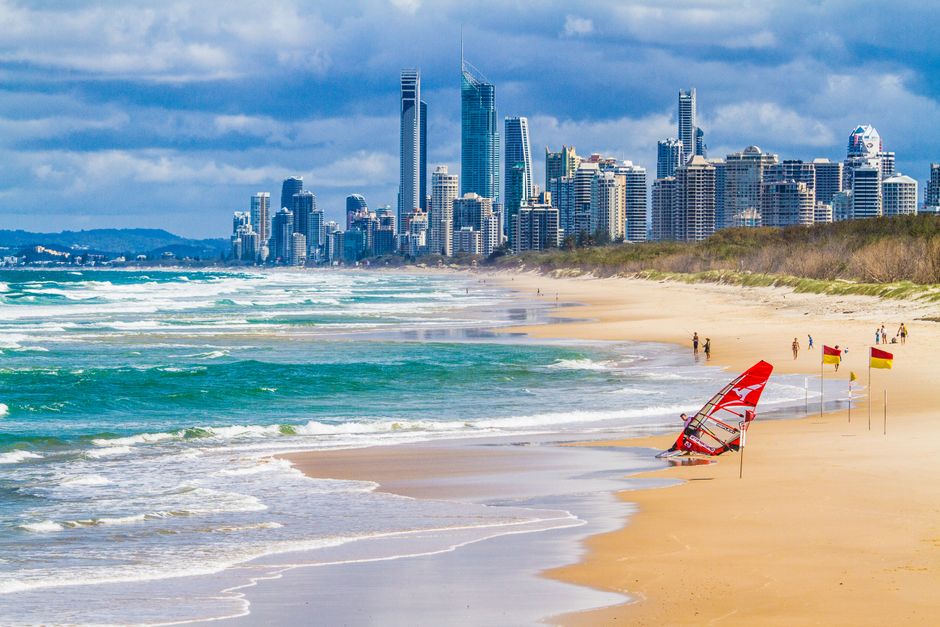
For families seeking combination experiences, the Alexandra Headland beachfront precinct remains a standout. The carefully maintained coastal park runs alongside pristine sand, featuring dedicated picnic areas, children's play equipment, and shaded barbecue facilities. Arriving early on weekends is essential; parking typically fills by 10am during summer months. The grassed amphitheatre area near the water's edge hosts informal gatherings and provides natural seating for sunset watching.
Inland, the Buderim Forest Park offers a contrasting experience. This 56-hectare conservation area features walking trails ranging from casual 20-minute loops to more challenging 90-minute circuits through subtropical rainforest. The entrance near Forestry Road provides free parking and basic facilities. Morning visits reward walkers with birdlife viewing opportunities; locals report sightings of lyrebirds and various parrot species year-round.
Urban dwellers should explore the revitalised parklands around Cotton Tree. The riverside precinct has undergone significant investment, with improved pathways, fitness stations, and dedicated zones for different activities. Weekend morning markets operate here regularly, combining outdoor dining with access to the park's waterfront facilities.
For budget-conscious residents, most Sunshine Coast parks remain free to access, though some premium facilities charge modest fees. The annual Sunshine Coast Parks Pass (around $75) offers discounted access to specialized venues and facilities across multiple locations, representing good value for regular users.
Planning matters. Check the Sunshine Coast Council's Parks and Recreation portal for seasonal closures, maintenance schedules, and event calendars—this simple step prevents wasted trips. Download offline maps of major reserves; mobile reception varies across inland areas.
Consider your visit timing strategically. Peak season (December through February) brings crowds to coastal reserves, while shoulder months offer ideal conditions with fewer visitors. Autumn and winter provide comfortable walking temperatures, particularly appealing for those avoiding summer heat.
Safety essentials remain non-negotiable. Carry water, apply sunscreen consistently, and inform someone of your intended route before venturing into less-populated areas. Most parks close at dusk; plan accordingly to avoid navigating unfamiliar terrain in darkness.
The Sunshine Coast's outdoor living culture thrives because residents actively engage with these spaces. Start with one neighbourhood park this week. Explore a different reserve next week. Your ideal outdoor routine is waiting.
This article was compiled by AI from the sources linked above and screened before publishing. See our editorial standards.