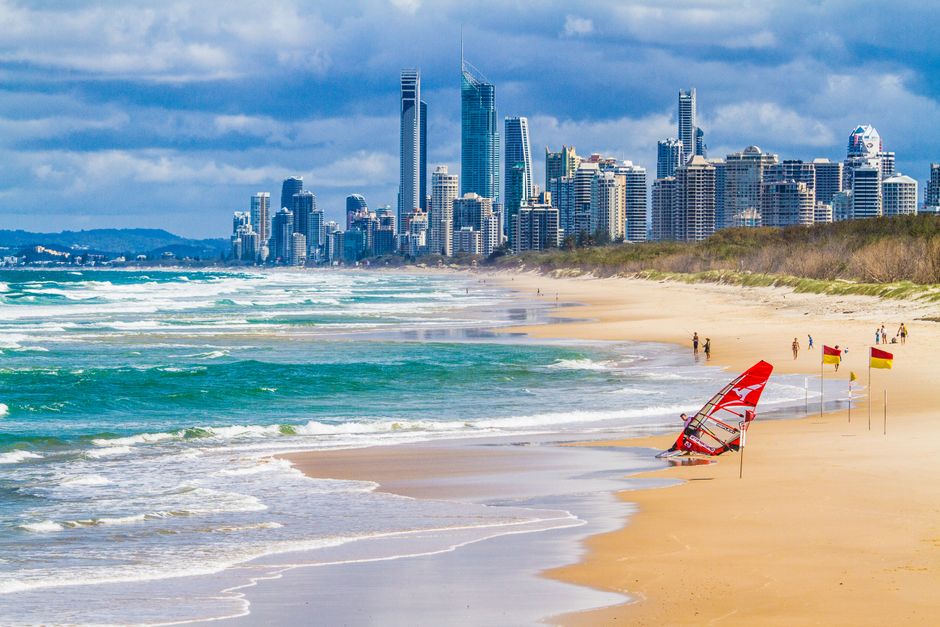
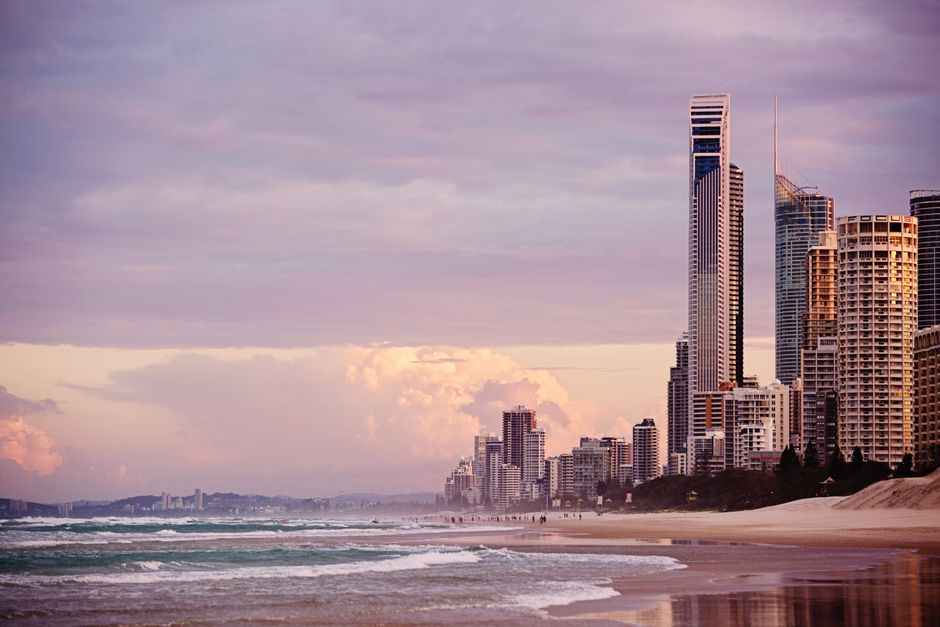
While many global cities pride themselves on cramped cocktail bars and indoor nightclubs, the Sunshine Coast has engineered something distinctly different—a nocturnal social culture fundamentally shaped by its subtropical geography and outdoor-first mentality.
The difference becomes immediately apparent along Hastings Street in Noosa and the foreshore precincts dotting Mooloolaba. Unlike the basement bars of Manhattan or the underground clubs of Berlin, the Sunshine Coast's most popular venues blur the boundary between interior and exterior spaces. Open-air terraces, beachfront decks, and garden bars dominate the landscape, allowing patrons to socialise under string lights and tropical breezes rather than air-conditioned enclosures.
This architectural philosophy extends to how locals experience nightlife year-round. While European cities see winter slumps in outdoor entertainment, Sunshine Coast venues maintain consistent attendance thanks to mild winters—average June temperatures hover around 18°C—creating an enviable 300+ days of viable outdoor drinking and dining annually. That's roughly double the climate-friendly season of cities like London or Toronto.
The social dynamics differ markedly too. Rather than the transient, tourist-focused bar crawls common in major metropolises, Sunshine Coast establishments foster genuine community gathering. Multiple venues encourage patrons to migrate between locations without rushing, creating extended social experiences rather than quick pit stops. Neighbourhood spots like those clustered in Coolum and Sunshine Beach have cultivated loyal local followings that resist the homogenisation plaguing global nightlife scenes.
Price points remain another distinguishing factor. A craft cocktail on Hastings Street averages $18–$22 AUD, significantly undercutting comparable venues in Sydney ($24–$28), Melbourne ($22–$26), or international equivalents like Miami or Barcelona. This affordability hasn't sacrificed quality—many establishments employ trained mixologists and source premium spirits—but rather reflects a philosophy prioritising accessibility over exclusivity.
The cultural calendar reinforces this uniqueness. Events like the Noosa Food and Wine Festival and regular sunset markets transform nightlife into broader lifestyle experiences rather than isolated activities. Compare this to cities where nightlife exists in compartmentalised silos, separated from dining, arts, and community events.
Perhaps most fundamentally, the Sunshine Coast has rejected the late-night-only model. Social gatherings often shift seamlessly from golden-hour cocktails to dinner to dancing, with venues accommodating this natural rhythm rather than adhering to strict opening-hour traditions. It's a lifestyle integrated into daily living, not a destination activity—and that integration is what truly sets this region apart on the global stage.
This article was compiled by AI from the sources linked above and screened before publishing. See our editorial standards.