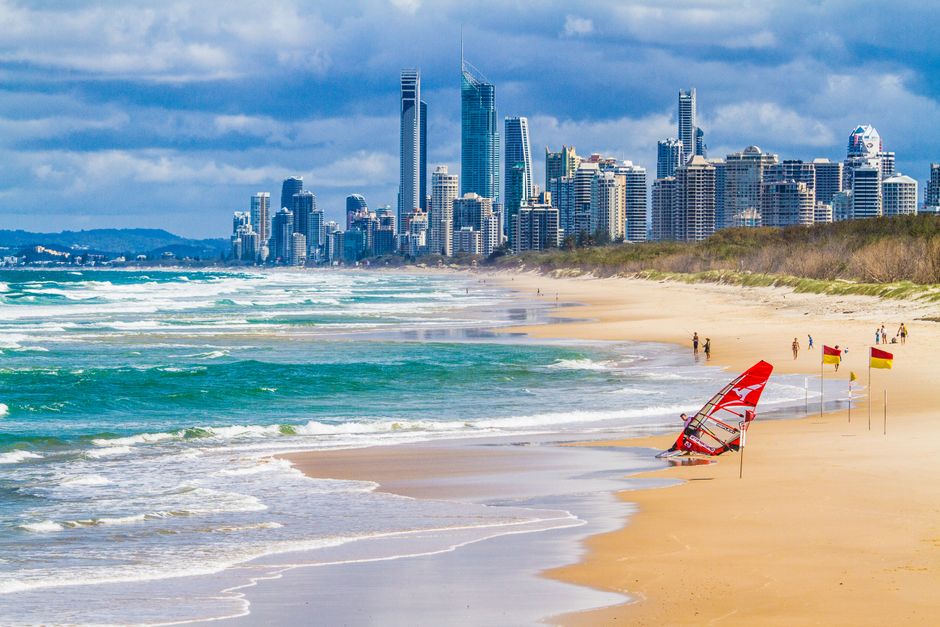
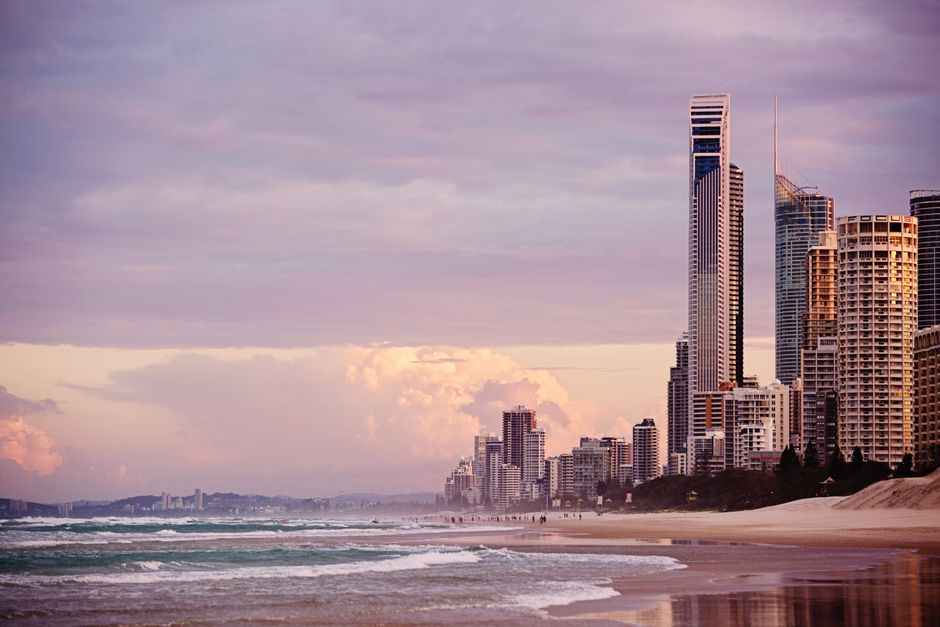
Ask any Sunshine Coast resident where they actually spend their time outdoors, and you'll quickly discover that the best park experiences rarely match the glossy tourism brochures. After decades of rapid development, locals have learned to navigate the region's green spaces strategically—and they're generous with their insights.
The consensus among daily users: arrive early. Whether you're heading to Alexandra Headland's beachside reserves or the sprawling Tallebudgera Valley parklands, morning visits between 7 and 9am offer parking, quieter walking trails, and better light for fitness activities. The mid-morning school holiday rush is real, particularly at playgrounds along the Mooloolaba foreshore and around Buderim township.
For genuine escape without the crowds, locals consistently recommend venturing slightly inland. The network of reserves along Maroochy River—including reserves near Coolum and around the Bli Bli region—offers excellent walking tracks and wildlife spotting opportunities that rarely appear in visitor guides. "People don't realise how much natural bushland still exists just 10 minutes inland," one regular noted. These spaces typically have free parking and facilities, though amenities vary seasonally.
Practical considerations matter too. Sunset times shift dramatically across seasons; winter visitors should plan accordingly, as evening light fades by 5:30pm in June compared to 7:15pm in December. Water access is essential—many popular spots have limited drinking fountains, so carrying refillable bottles is standard practice among locals who spend extended time outdoors.
Budget-conscious park users appreciate the Council's extensive reserve system; entry to most regional parks remains free, though some specialty facilities charge modest fees. Annual parking permits for heavy users cost around $50-80, making them worthwhile for those visiting multiple times weekly.
For families, honest advice centers on managing expectations. Popular playgrounds near shopping precincts get congested during school holidays (typically week two onwards), but local schools often have accessible grounds with equipment during off-hours. The genuine family favourites—smaller neighbourhood reserves with genuine shade and secure fencing—tend to be underutilised simply because they're not prominent on maps.
Wildlife encounters require respect and distance. Locals recommend carrying phone cameras rather than approaching native birds, particularly waterbirds along creek systems. Peak season brings increased activity; early morning visits increase chances of seeing wallabies and diverse birdlife in their natural rhythm.
The honest takeaway? Sunshine Coast's best outdoor living happens when visitors think like residents—choosing quieter times, exploring beyond headline attractions, and recognising that genuine green space experience requires minimal cost but genuine effort to discover.
This article was compiled by AI from the sources linked above and screened before publishing. See our editorial standards.