Noosa Heads Schools and Family Life Are Being Transformed by an Influx of Remote Workers
As digital nomads and work-from-home professionals reshape the Sunshine Coast's demographic, local schools and family-friendly spaces are adapting to meet growing demand.
Our reporters are based in Sunshine Coast and cover local government, business and community. The Daily Sunshine Coast is independently owned and editorially independent. Read our editorial standards →
Five years ago, Noosa Heads Primary School had a steady enrolment of around 420 students. Today, that figure has climbed to 580, with waiting lists common across the school's junior classes. The change reflects a broader shift gripping the Sunshine Coast: families are moving here not despite the distance from major employment hubs, but because of it.
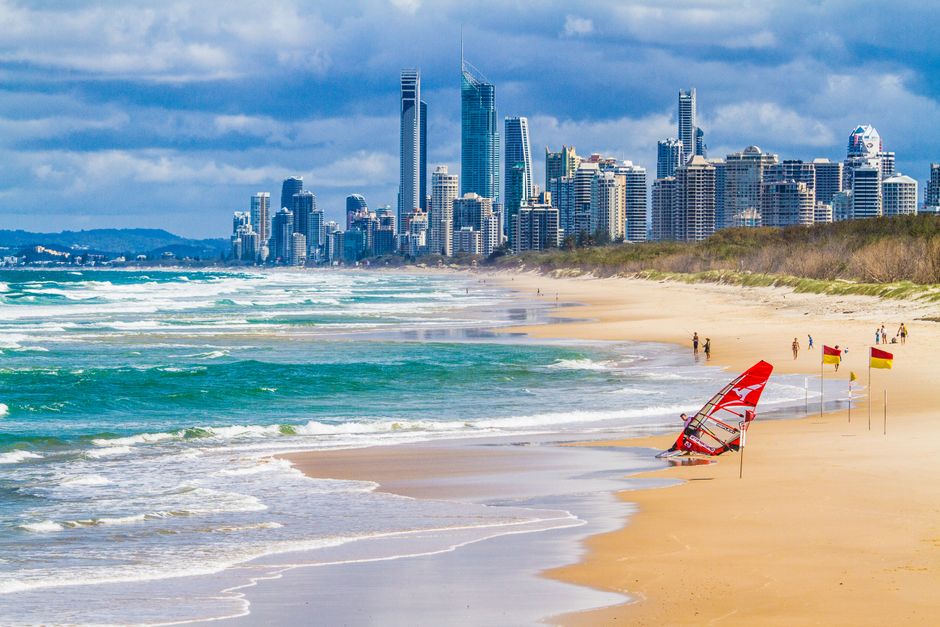
The explosion of remote work has fundamentally altered family life in neighbourhoods from Noosa to Mermaid Beach. Parents who once accepted Brisbane commutes now walk their children to school before heading to home offices overlooking the Pacific. Local family-oriented cafes along Hastings Street in Noosa Heads report morning queues of laptop-carrying parents conducting video calls from corner tables, their children in nearby childcare centres or schools.
"We're seeing a completely different demographic than we did a decade ago," says Maria Chen, director of Sunshine Coast Family Services, a local support organisation. "These are dual-income families making six figures, able to choose where they live. They're choosing here." The shift has driven median house prices in established family suburbs like Buderim and Kuluin up by 34 per cent since 2021, pricing out traditional working-class families and reshaping school communities.
Schools are scrambling to meet this surge. Noosa Heads Primary expanded its junior campus in 2024, while smaller independent schools like Sunshine Coast Steiner Academy have opened satellite campuses in Caloundra to capture overflow demand. Extracurricular offerings have similarly evolved—tennis coaching, coding classes, and Mandarin programs now proliferate where once the menu was basic.
Yet the changes bring tensions. Traditional sporting cultures centred on rugby league and surf clubs are competing with newer family interests: yoga classes in Coolum Beach parks, organic farmers markets on the Esplanade, and private tutoring services along David Low Way. Local schools report increasing pressure from parents seeking specialised academic tracks and wellness programs.
Childcare costs have surged too. The average weekly fee for long-day care in central Noosa now exceeds $150—among the state's highest—reflecting both demand and the affluence of incoming families. Local councils have approved dozens of new childcare facilities across the region since 2023.
What remains to be seen is whether this transformation is sustainable. As inflation pressures remote-work salaries and some companies call workers back to offices, the Sunshine Coast faces a fundamental question: will the families reshaping schools and communities stay put, or will the latest wave of migration prove temporary?
This article was compiled by AI from the sources linked above and screened before publishing. See our editorial standards.
This article was produced by the The Daily Sunshine Coast editorial desk and covers lifestyle in Sunshine Coast. See our editorial standards for how we use AI.
Enjoyed this story? Get tomorrow's briefing free.
Daily brief
Enjoyed this? Wake up to Sunshine Coast news every morning.