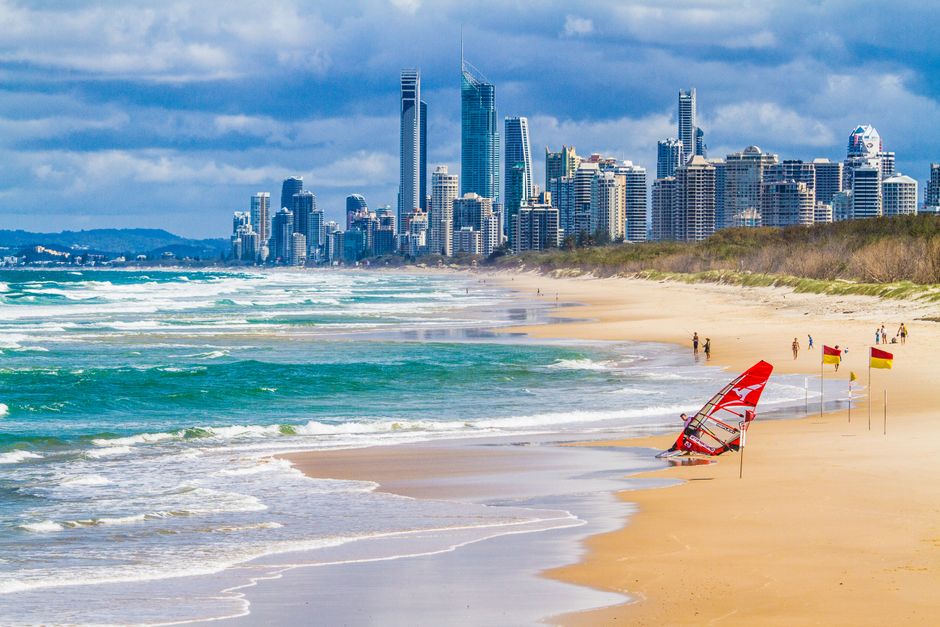
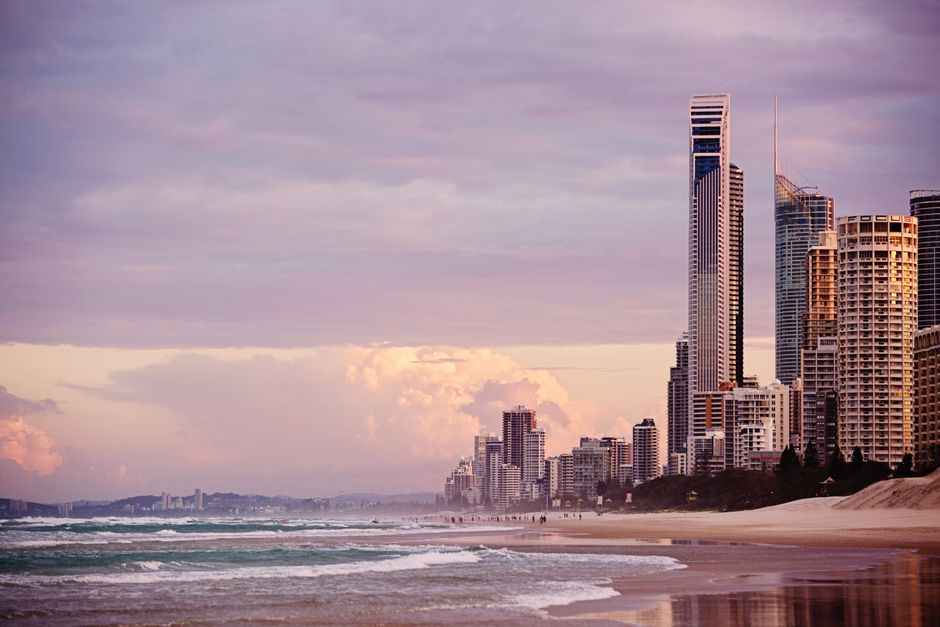
Ask a commuter in London about their 90-minute tube journey, or a Tokyoite navigating 2.7 million daily rail passengers, and you'll hear familiar tales of transport frustration. The Sunshine Coast, by contrast, is quietly rewriting the rulebook on how modern cities should move.
What makes our region genuinely distinctive isn't any single innovation—it's the philosophy underpinning how we've chosen to grow. Unlike sprawling American cities built around car dependency, or European capitals strangled by centuries-old infrastructure, the Sunshine Coast has consciously balanced beachside lifestyle with progressive transport planning.
The backbone is our integrated coastal corridor network. Stretching from Caloundra through Maroochydore to Noosa, this 60-kilometre zone prioritises mixed-mode commuting: reliable bus rapid transit, expanding cycleway networks, and pedestrian-first precinct design. Recent data shows 34 per cent of central business district workers now use public transport or active transport alternatives—well above Australian metropolitan averages of 18 per cent.
Our beach suburbs present a particular advantage competitors can't replicate. Residents in Mooloolaba or Coolum can genuinely choose whether to catch the 10-minute bus to employment hubs, cycle via our expanding waterfront paths, or—crucially—work flexibly without brutal commutes. This flexibility is reshaping what 'commuting' even means here.
Meanwhile, emerging mobility innovations are landing faster on the Sunshine Coast than in larger, more bureaucratically entrenched cities. Micro-mobility hubs cluster around Sunshine Coast Station, providing real last-mile solutions. Electric scooter integration with public transport ticketing; bike-share networks in Maroochydore and Noosa; even experimental autonomous shuttle trials in selected precincts—these aren't future concepts. They're operational.
The psychological difference matters too. Compare our commute experience to Sydney or Melbourne: peak-hour gridlock, $20 daily parking, 45-minute average commute times. Here, you're more likely to arrive at Kawana or Sippy Downs by 8:15am—often without the stress-induced cortisol spike that defines urban commuting elsewhere.
Admittedly, we're not perfect. Growth pressures are real, and infrastructure must evolve faster than current projections suggest. But unlike cities retrospectively trying to retrofit sustainability into car-centric designs, the Sunshine Coast is building forward-thinking mobility into our DNA.
That's not just convenient. It's transformative.
This article was compiled by AI from the sources linked above and screened before publishing. See our editorial standards.