Walk along Hastings Street today and you'll find molecular gastronomy sitting comfortably next to wood-fired pizza. But rewind to the 1990s, and the Sunshine Coast's restaurant landscape looked dramatically different—dominated by fish and chips shops, casual cafes, and the occasional Italian family restaurant clustered near the patrolled beaches.
The transformation began in earnest around 2005, when a wave of young chefs returned from culinary training in Melbourne and Sydney with ambitions to build something locally distinctive. Venues like Salt on Orchid Avenue pioneered the 'paddock-to-plate' movement, establishing relationships with hinterland farmers that remain central to the region's identity today. By 2010, the Sunshine Coast had moved beyond its reputation as a retiree's destination.
The statistics tell the story. According to the Sunshine Coast Tourism Board, the hospitality sector now contributes over $2.8 billion annually to the local economy, with over 340 licensed venues operating across the region. Average meal prices have climbed from $15-20 for casual dining in 2000 to $45-75 at established fine-dining establishments in 2026.
Noosa Heads and Caloundra have emerged as epicentres of culinary innovation, while Mooloolaba's waterfront precinct has been reimagined entirely since 2015, attracting chefs seeking premium venues with ocean views. The Sunshine Coast hinterland—particularly Montville and Mapleton—has cultivated a separate identity as a destination for farm-to-table experiences and boutique producers.
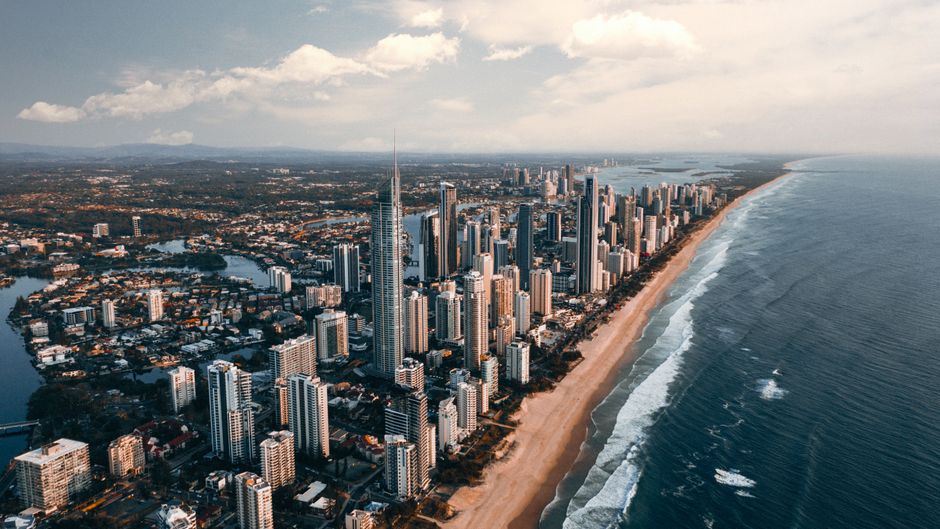
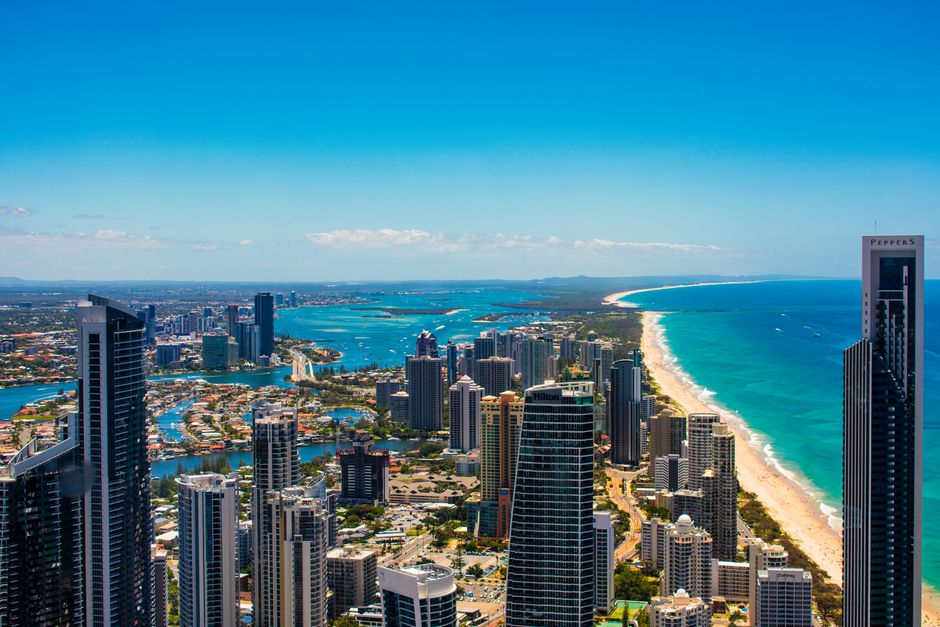
What's particularly distinctive about the scene's evolution has been its resistance to homogenisation. Unlike Gold Coast dining, which developed vertically around theme parks and casinos, Sunshine Coast food culture grew organically from community participation. The Eumundi Markets (established 1979) became a crucial testing ground where emerging chefs launched pop-ups before securing permanent venues.
Today's landscape reflects genuine diversity. Vietnamese pho houses operate successfully on Alexandra Parade alongside Greek tavernas. Small bars and craft cocktail venues have proliferated since bottle-shop licensing reforms in 2012. Indigenous ingredients—finger limes, Davidson plums, pepperberries—have become signature elements across menus.
Cultural festivals have institutionalised this evolution. The Sunshine Coast Food Festival, launched in 2018, now attracts 25,000 visitors annually and has become a showcase for the region's progressive restaurant community. The scene continues maturing, with younger chefs increasingly prioritising sustainability and local employment over Instagram aesthetics.
From modest suburban beginnings, the Sunshine Coast has built a genuinely compelling food culture—one rooted in place, community, and an underlying commitment to quality that transcends temporary trends.
This article was compiled by AI from the sources linked above and screened before publishing. See our editorial standards.