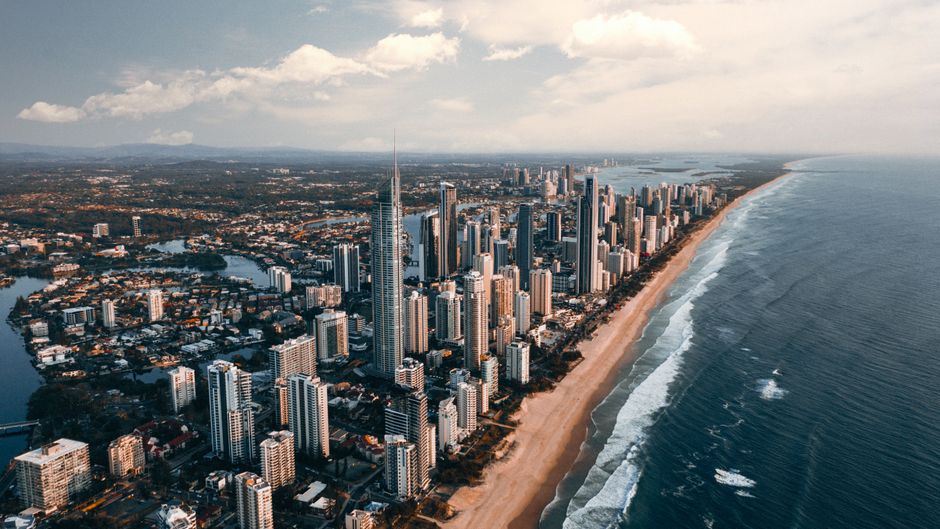
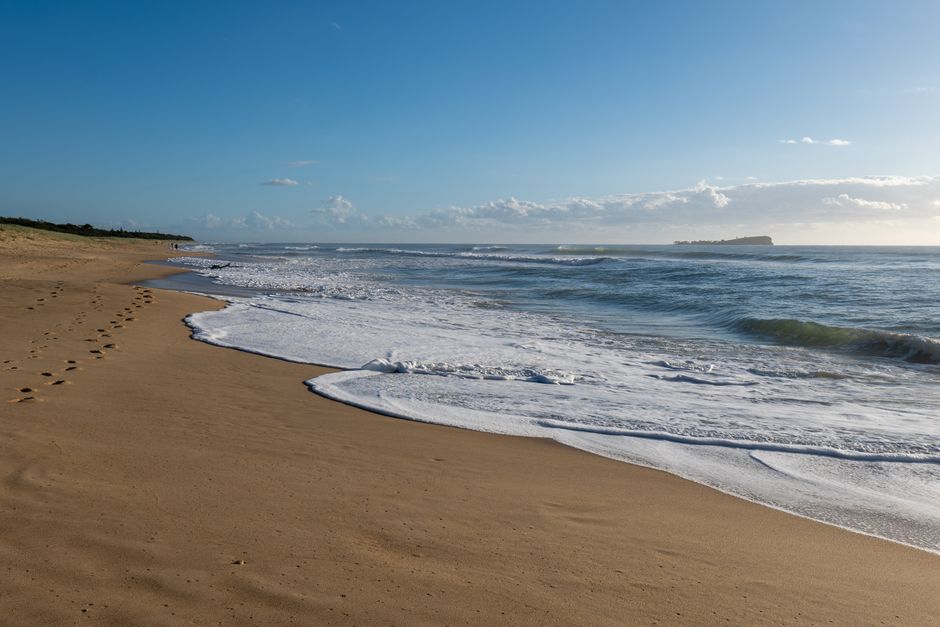
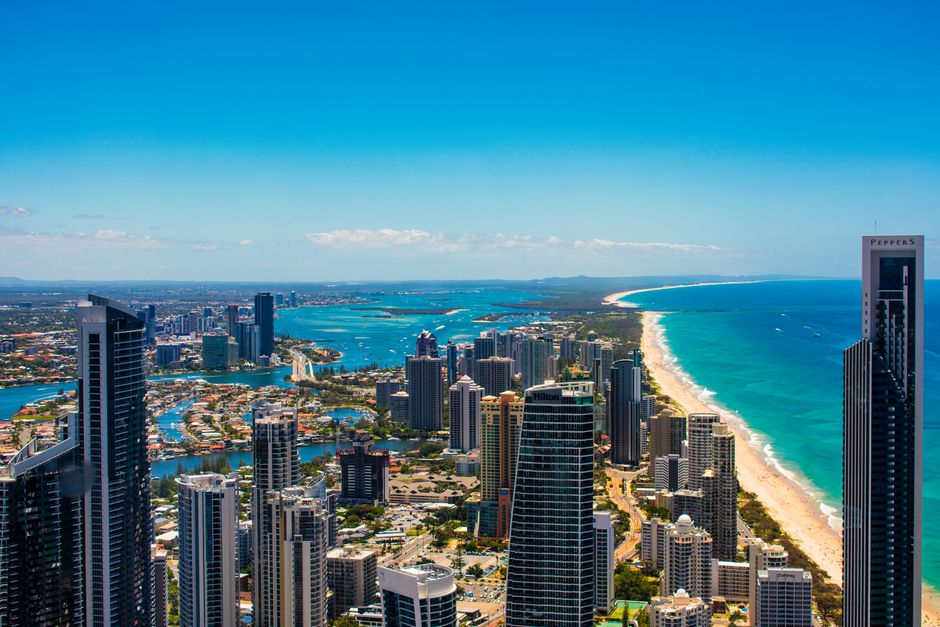
Walk through the Sunshine Coast these days and you'll notice something unmistakable: creativity is no longer a seasonal afterthought. It's the heartbeat of our city.
The transformation is visible in the calendar. Over the past 18 months, the Sunshine Coast has evolved from a destination known primarily for its beaches into a serious cultural player, hosting events that draw crowds from across Australia and beyond. This shift is fundamentally reshaping how residents—and the world—perceive our identity.
The numbers tell part of the story. Last year's Noosa Festival of Surfing drew an estimated 75,000 attendees across its ten-day run, generating over $18 million in economic activity. But more importantly, it signalled something deeper: that we're serious about celebrating the distinctive creative cultures that make this place unique. The festival's focus on environmental sustainability and Indigenous art integration has become a blueprint for how we approach cultural programming.
In Mooloolaba, the revitalised Esplanade precinct has become ground zero for experimentation. The newly expanded Sunshine Coast Music Festival, now spanning three weekends across June and July, features over 200 performances across genres from electronic to world music to contemporary classical. Local venue operators report sellout shows; emerging artists from Caloundra to Coolum are getting international booking interest.
But perhaps the most telling shift is happening in the neighbourhoods themselves. Alexandra Headland's monthly Laneway Arts Festival has transformed underutilised spaces into open-air galleries, while the Buderim Cultural Trail—a partnership between the Sunshine Coast Council and local artists—has positioned the hinterland as a serious visual arts destination. Entry to most events remains affordable, typically ranging from free community activations to $40-$80 for ticketed performances.
What's driving this isn't top-down city planning alone. Local organisations like the Sunshine Coast Arts Centre and independent collectives have been instrumental in creating a creative ecosystem where emerging artists can thrive. The result is a calendar that feels authentic, rooted in the region's actual character rather than imported wholesale from elsewhere.
This matters because cultural identity in 2026 isn't built on monuments or marketing slogans. It's built on what people actually do, create and celebrate together. The Sunshine Coast's festival season is becoming the lens through which our city defines itself: progressive, inclusive, environmentally conscious, and unafraid to take creative risks.
For residents and visitors alike, this isn't just a calendar of events. It's evidence that we're building something genuinely distinctive here.
This article was compiled by AI from the sources linked above and screened before publishing. See our editorial standards.