wellness
Sunshine Coast's Wellness Scene Is Ahead of the Global Curve, Here's the Evidence
From Mooloolaba's sunrise swim culture to USC-backed health research, the region is tracking, and in some cases outpacing, the world's biggest wellbeing shifts.
How we reported this
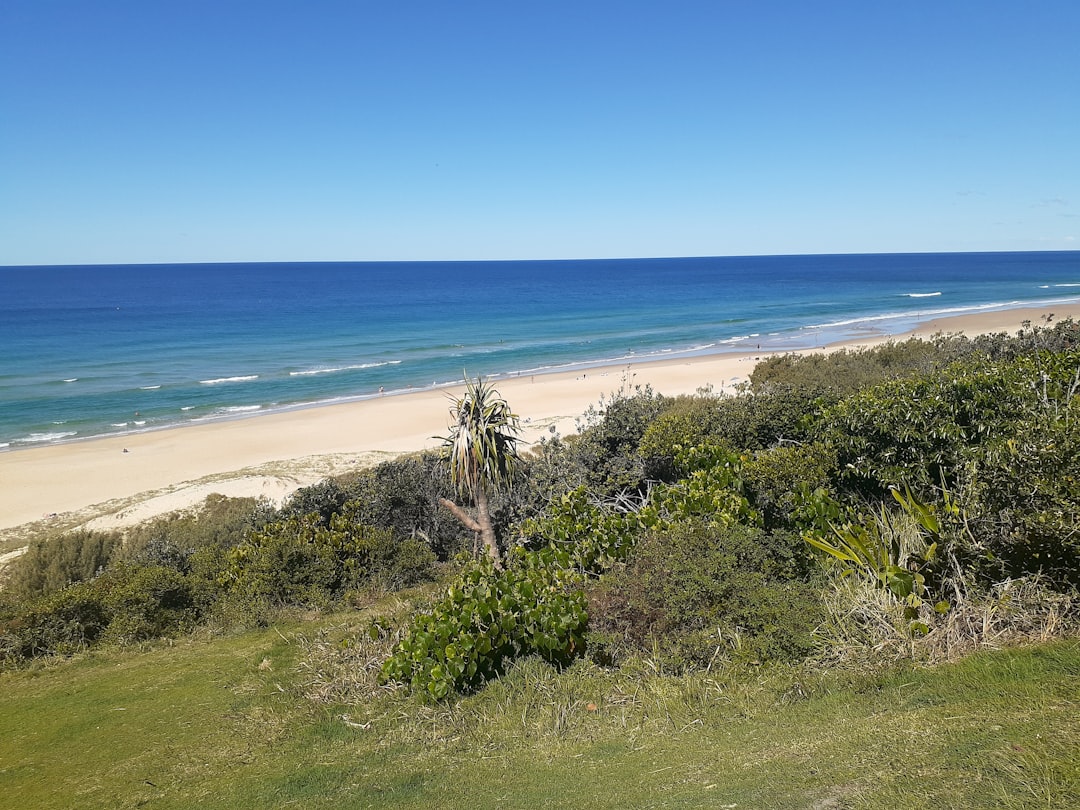
The Sunshine Coast has long marketed itself as a place where people come to feel better. What's changing in 2026 is that the data, the infrastructure, and the international conversation are all starting to catch up to what locals have been doing quietly for years.
Globally, the mid-2020s have seen a sharp pivot toward preventive, community-centred health. The hormone health conversation, HRT, testosterone therapy, melatonin regulation, has exploded in mainstream media. Open-water and cold-water swimming is drawing political attention as far away as Britain, where MPs are campaigning to restore public lidos. And after years of public health gains, smoking is seeing a troubling cultural resurgence among younger cohorts in parts of Europe and North America. Against that backdrop, the Sunshine Coast's particular brand of outdoor, nature-integrated wellness looks less like a regional quirk and more like a model worth examining.
Local Anchors in a Shifting Global Conversation
Two places on the coast tell the story clearly. Mooloolaba Esplanade hosts one of the region's most consistent open-water swimming communities, with year-round ocean access and a foreshore that draws hundreds of early-morning participants throughout winter. Water temperature off Mooloolaba sits around 19-21 degrees Celsius in July, cold enough to prompt real physiological responses, warm enough to remain accessible to most fitness levels without specialist gear.
Further north, the Noosa National Park coastal track has become something of an unofficial prescription for mental health maintenance. The 10.8-kilometre circuit from the Noosa Heads car park to Sunshine Beach is used by everyone from post-surgery rehabilitation walkers to high-performance trail runners. Park rangers recorded well over 1.5 million visits to Noosa National Park in the 2024-25 financial year, according to Queensland Parks and Wildlife Service figures published by Noosa Council. That kind of foot traffic through green and coastal space aligns directly with what researchers call the "blue-green exercise" effect, measurable improvements in mood and cognitive function tied specifically to natural outdoor environments.
At the University of the Sunshine Coast's Sippy Downs campus, health research programs have been drilling into preventive care and community wellbeing for more than a decade. USC's health sciences faculty has active research streams covering chronic disease prevention, rural and regional mental health, and aged care, areas that map almost exactly onto what's dominating international wellness discourse right now. The university's proximity to the coast and its community health clinic partnerships give it a research context that urban institutions in Sydney or Melbourne often lack.
The Organic Economy and What It Signals
The Eumundi Markets, running every Wednesday and Saturday on Memorial Drive in Eumundi, function as a kind of weekly referendum on local health priorities. The original market, established in 1979, now draws around 20,000 visitors per week during peak season and hosts more than 600 stalls, a significant proportion of which are certified or self-declared organic food producers. Prices for local organic produce at Eumundi run roughly 15-30 per cent above conventional supermarket equivalents, a premium Sunshine Coast residents are demonstrably willing to pay.
That consumer behaviour matters because it reflects something the global wellness industry spends billions trying to manufacture: genuine, sustained demand for food quality over convenience. In parts of the United States and United Kingdom, that shift is still largely aspirational and urban-elite. On the Sunshine Coast, it has been embedded in weekly market culture for going on 47 years.
What the region still needs to work on is equity of access. Not everyone can afford Eumundi prices or has the schedule flexibility for a weekday coastal walk. Connecting USC's health research more directly to public programs, particularly for lower-income households and older residents in areas like Nambour and Beerwah, would close the gap between the coast's wellness reputation and its actual reach.
For anyone looking to engage with these trends locally, the practical entry points are straightforward: the Mooloolaba foreshore at first light, the Noosa coastal track mid-morning on a winter weekday, and the USC Community Clinic at Sippy Downs for evidence-based health guidance. For anything beyond general lifestyle choices, a conversation with your GP or a local allied health professional remains the right first step.