wellness
The Rise of Outdoor Boot Camps: What to Expect
Group fitness sessions are filling Sunshine Coast parks and foreshore paths every morning, here's what newcomers need to know before they show up.
How we reported this
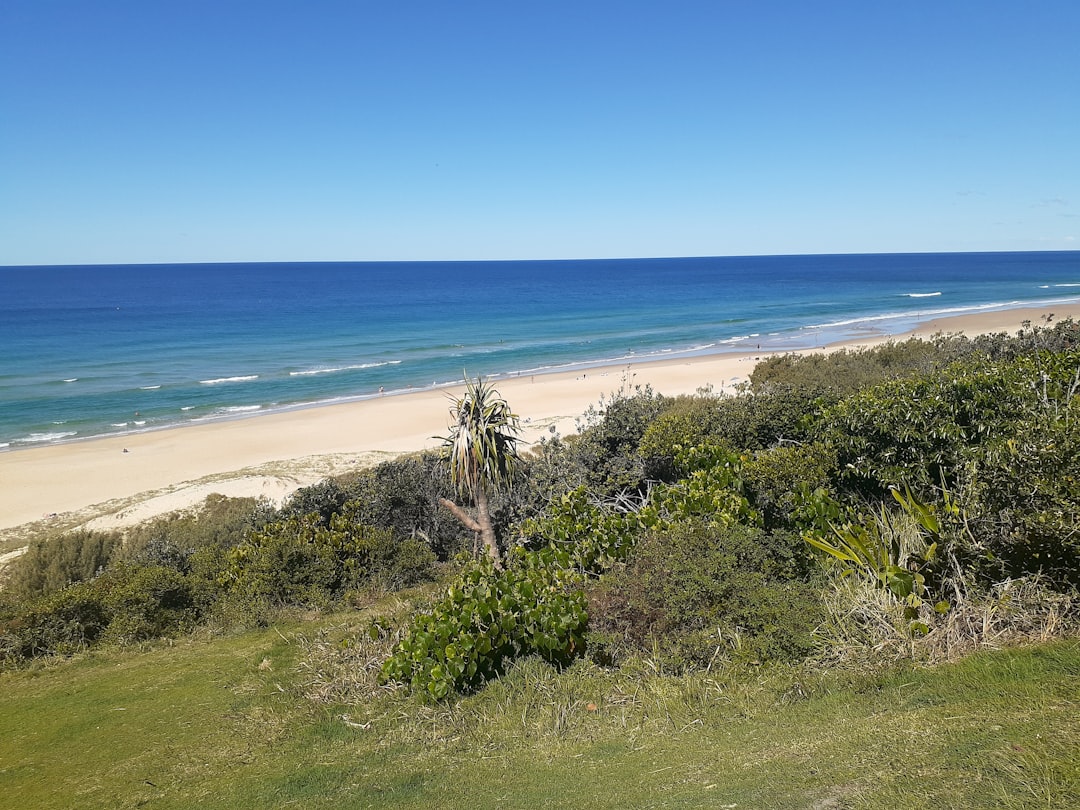
Before 6 a.m. on any given weekday, trainers are already marking out cones on the grass at Alex Headland and along the Mooloolaba Esplanade. Outdoor boot camps, structured group exercise sessions held in public spaces, have become one of the fastest-growing fitness formats on the Sunshine Coast, drawing beginners and seasoned athletes into the same sweating, sprinting circle.
The timing makes sense. After years of gym closures, rising membership costs and a sharper awareness of mental health benefits tied to outdoor movement, many locals have ditched the treadmill for the beachfront. Exercise physiologists and public health researchers have increasingly pointed to the social dimension of group training as a factor in long-term adherence, people stick with it when others are watching, encouraging, and showing up alongside them.
Where They're Happening, and What You'll Actually Do
The Mooloolaba Esplanade foreshore strip is arguably the epicentre of the trend on the Coast. Half a dozen different operators run sessions there across the week, typically starting between 5:30 a.m. and 6 a.m. Further north, the car park and grassed areas near the Noosa National Park entrance at Hastings Street have become a popular spot for smaller groups, with some sessions incorporating the coastal track itself as a running circuit. Peregian Beach's foreshore reserve and the open lawns at Cotton Tree Park in Maroochydore also host regular gatherings.
A standard session runs 45 to 60 minutes and follows a predictable structure even if the exercises change daily. Expect a five-to-ten-minute warm-up, usually a jog or dynamic stretching, followed by intervals of bodyweight exercises such as burpees, push-ups, squat jumps and lunges, often organised in timed stations. Trainers typically finish with a core circuit and a cool-down stretch. Equipment is minimal: a mat is handy, and some operators provide resistance bands or kettlebells, though many sessions require nothing beyond runners and a water bottle.
Class sizes vary considerably. Some Mooloolaba-based operators cap sessions at 12 participants to keep the trainer-to-client ratio manageable. Others, particularly those running community-style free sessions in public parks, attract 30 or more people. The University of the Sunshine Coast's health and sport research programs have explored how group exercise formats influence motivation and consistency among adults aged 30 to 55, a cohort that makes up a significant portion of boot camp participants on the Coast.
Cost, Commitment and What to Know Before You Go
Prices range from free, several community-run sessions operate on a gold-coin-donation or no-cost basis at locations like the Cotton Tree Parklands, to around $25 to $35 per casual session with a registered personal trainer. Monthly unlimited packages with established Sunshine Coast operators typically sit between $120 and $180, which undercuts most full-service gym memberships in the region. Some trainers offer a first session free, which is worth taking up before committing to a package.
Registration requirements differ. Community groups often just ask people to arrive five minutes early. Licensed operators generally require a brief health screening form, a reasonable step given the high-intensity nature of some sessions. Anyone managing a cardiovascular condition, joint injury or other ongoing health concern should speak with a local GP or exercise physiologist before joining. Sunshine Coast University Hospital and several allied health clinics in Buderim and Caloundra offer exercise physiology consultations that can help establish what intensity is appropriate.
The Eumundi and Nambour hinterland communities have also seen growth in outdoor training, with small groups meeting at recreation reserves early on weekends, a quieter alternative for those put off by the busier coastal sessions.
If you're considering joining one, the practical advice is straightforward: wear layers on winter mornings (July temperatures on the Coast can dip to 10 degrees at dawn), bring water, and don't skip the warm-up even if you arrive late. Show up twice before deciding whether it suits you, the first session is almost always the hardest, and the second one usually isn't.