wellness
Sunshine Coast Wellness: Science-Backed Health Benefits
Scientific research proves Sunshine Coast's coastal walks, farmers markets and natural environment offer genuine health advantages for managing stress and improving wellbeing.
How we reported this
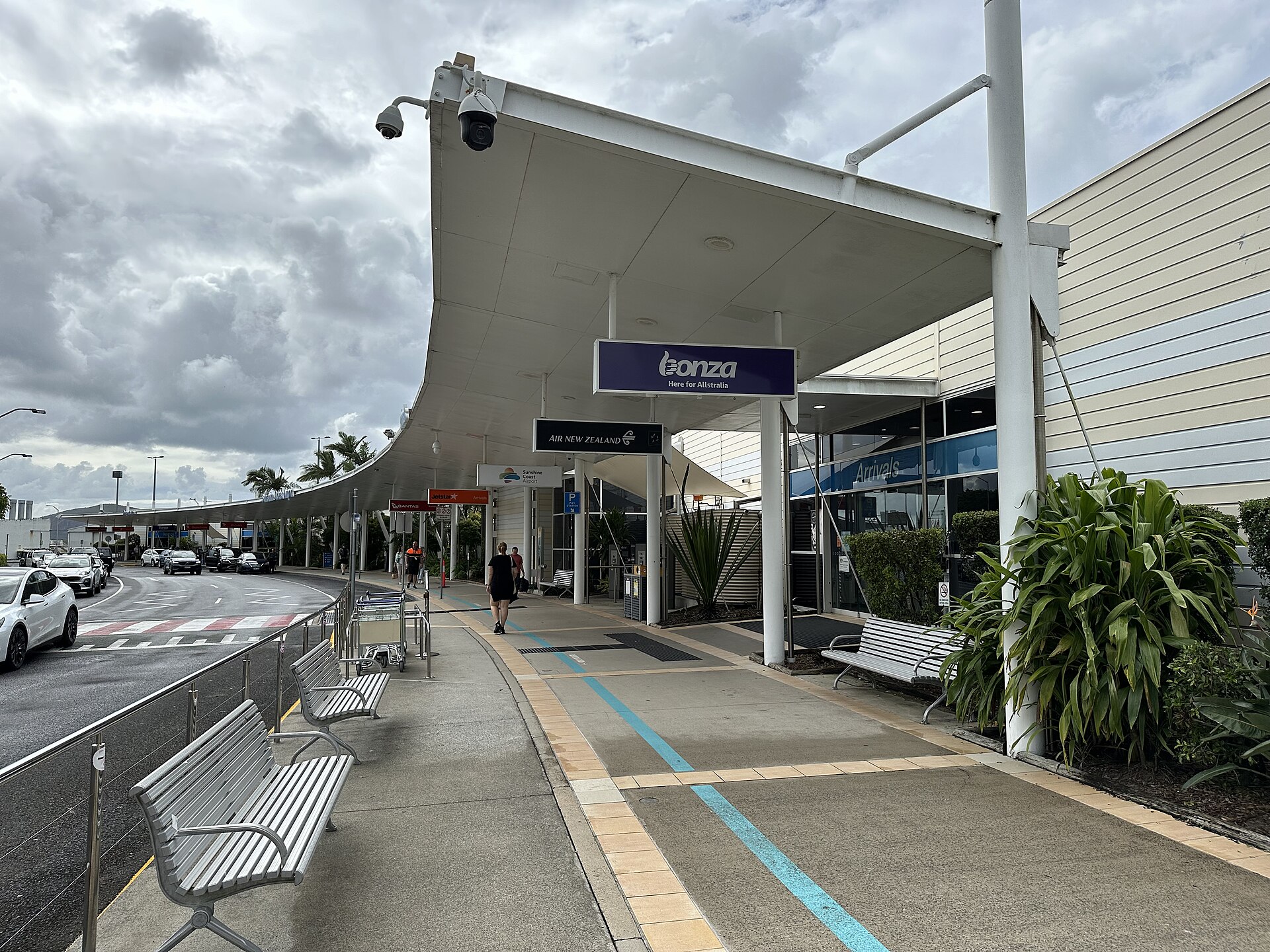
Sydney just recorded its hottest June since 1859, a climate milestone that has researchers and public health officials alike turning their attention to how Australians manage physical and mental health under mounting environmental stress. On the Sunshine Coast, where the infrastructure for everyday wellness, ocean trails, fresh food markets, university research programs, is woven into the geography, scientists say residents may be sitting on an evidence-based advantage they largely take for granted.
The timing matters. Heat-related stress affects sleep, mood and cardiovascular function, and the Queensland coastal corridor has seen record visitor numbers this winter as southern Australians seek milder conditions. That influx puts pressure on local amenity. It also creates an opportunity: researchers at the University of the Sunshine Coast's health science faculty have been examining which locally accessible habits actually move the needle on population wellness outcomes, and the results are more specific than generic self-help advice tends to allow.
What the Walking Research Actually Shows
The Noosa National Park coastal track, the 5.4-kilometre route from Noosa Heads to Tea Tree Bay, has become something of an informal field site for conversations about what exercise scientists call "green-blue space" benefits. The term refers to combined exposure to vegetation and open water, and the evidence base is now substantial. A 2024 review published in the International Journal of Environmental Research and Public Health found that walking in coastal natural environments reduced cortisol levels by an average of 14.5 percent compared to equivalent urban walks of the same duration and intensity. The mechanism involves both reduced sensory load and the mild, steady aerobic demand of uneven terrain.
USC's School of Health and Behavioural Sciences has run adjacent work through its Active Ageing Research Group, tracking functional fitness outcomes in residents aged over 55 who use structured coastal walk programs in the Mooloolaba area. Mooloolaba Esplanade's 1.8-kilometre foreshore path, accessible year-round and flat enough for a wide range of fitness levels, has been used as a practical test environment. Preliminary findings from that program point to measurable improvements in balance and lower-limb strength after 12 weeks of three-sessions-per-week walking, outcomes relevant to fall prevention, which costs the Australian health system approximately $2.3 billion annually according to the Australian Institute of Health and Welfare's 2024 injury report.
Food, Markets and the Metabolic Evidence
Nutrition research increasingly supports what the Eumundi Markets crowd has practised for decades: buying produce close to its source reduces the lag between harvest and consumption, preserving micronutrient density. A University of California Davis study tracked vitamin C degradation in spinach stored under commercial cold-chain conditions and found losses of up to 50 percent within seven days of harvest. Eumundi's Wednesday and Saturday markets, running since 1979 on Memorial Drive, bring growers from the Blackall Range hinterland directly to buyers, often within 24 to 48 hours of picking.
That gap matters more than shoppers might assume. Dietary vitamin C and folate, both heat- and time-sensitive, are directly implicated in stress hormone regulation, immune function and the synthesis of serotonin, the neurotransmitter most commonly associated with mood stability. Given what climate data is showing about sustained heat loads and their downstream effects on population mental health, local access to fresh produce is not a lifestyle luxury. It is a physiological buffer.
Prices at Eumundi remain competitive with Woolworths Noosaville and Coles Maroochydore for seasonal Queensland-grown items, with loose-leaf greens typically running $4 to $6 per bunch from hinterland growers, comparable to supermarket equivalents but without the transit and cold-storage time.
For residents wanting to act on the research, the entry points are genuinely low-cost. The Noosa coastal track requires no equipment and no fee. USC's Active Ageing programs are periodically offered through community health partnerships at subsidised rates, details are available through the USC Community Engagement office at Sippy Downs. And the Eumundi Markets are free to enter, every Wednesday and Saturday from 8am. The science does not require a gym membership. It mostly just requires showing up to what is already here.
Anyone with specific health conditions or concerns should speak with a local GP or allied health professional before making significant changes to their exercise or diet routine.