wellness
Sunshine Coast Ocean Swimming: Science Reveals Real Health Benefits
From Mooloolaba to Noosa, locals have long sworn by a morning dip, now a growing body of evidence is catching up with what they already knew.
Listen in English · 4 min
How we reported this
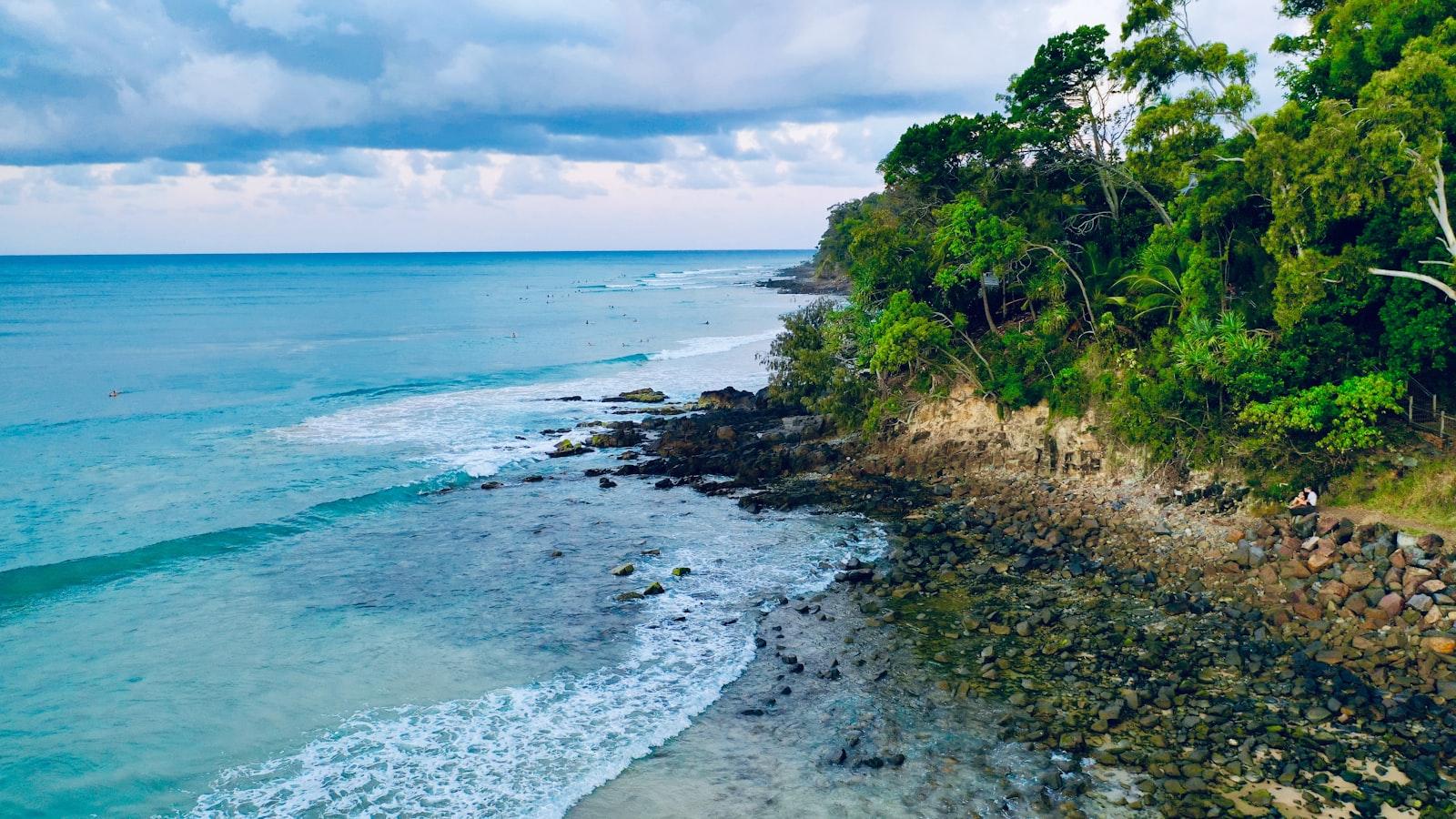
The water temperature at Mooloolaba Beach sits at roughly 19 degrees Celsius this July, cold enough to make you gasp, warm enough that the pre-dawn regulars still show up. They have for years. What's changed recently is that researchers are finally assembling a clearer picture of why those regulars might be onto something genuinely therapeutic, not just hardy.
Australia's record-breaking winter heat has pushed the question of outdoor wellness into sharper focus. Sydney logged its hottest June since 1859 this week, and while the Sunshine Coast hasn't matched those extremes, the region is warming. That climatic pressure is nudging health researchers and everyday Queenslanders alike to reconsider the relationship between the natural environment, ocean, bush, sun, and measurable human health outcomes.
What the Research Shows
The science on cold-water immersion has matured considerably since the early 2010s, when most evidence came from elite sports recovery. A 2023 review published in the International Journal of Circumpolar Health, drawing on studies across Scandinavia, the UK, and Australia, found regular cold-water swimmers reported significantly lower scores on standardised anxiety and depression scales compared with matched control groups. The effect was most pronounced in participants who swam at least three times per week. Researchers attributed the benefit to a combination of cold-induced norepinephrine release, the social dimension of group swimming, and what some papers are now calling "blue space" exposure, time spent in or near open water.
The University of the Sunshine Coast's Thompson Institute, based on Sippy Downs Drive in Birtinya, has been expanding its focus on non-pharmacological mental health interventions since 2024. While the Institute's primary programs target psychosis and youth mental health, its researchers have flagged nature-based therapies as an emerging evidence stream worth structured local study. USC's broader health research portfolio, which received an additional $4.2 million in Queensland Government funding in March 2026, increasingly looks at what the region's geography can do for population health outcomes.
Local Practice Meets Local Science
At Noosa National Park, the coastal track between Laguna Bay and Tea Tree Bay draws an estimated 1,200 walkers daily during winter school holidays according to Noosa Council foot-traffic figures, many of them stopping to swim at the sheltered coves below the headland. General practitioners at Noosa Junction Medical Centre have noted anecdotally that patients who maintain regular outdoor exercise routines through winter present with fewer stress-related complaints in September and October. Consulting your own GP remains the right starting point for any personal health decision, but that pattern tracks with what the research predicts.
Eumundi Markets, running every Wednesday and Saturday on Memorial Drive, reflects a parallel trend. Stallholders there report a 30 percent increase in adaptogen and magnesium supplement sales over the past 18 months, as shoppers seek to support recovery from physical activity. Whether those products deliver clinical benefit is a separate and contested question, but their popularity signals how seriously the region's residents are engaging with the mechanics of their own wellbeing.
The Mooloolaba Esplanade foreshore precinct, where several open-water swimming clubs hold weekly group swims departing from the northern end of the beach at 6 a.m. on Tuesdays and Saturdays, has become something of an informal outdoor lab. Participants range from triathletes to retirees managing chronic pain. Entry costs nothing. The barrier to participation is mostly the alarm clock.
For residents wanting to engage more deliberately with the evidence, USC's online public health resources, updated in June 2026, include a practical guide to nature-based exercise structured around Sunshine Coast geography. The broader message from both local practitioners and the international literature is consistent: frequency matters more than intensity, group participation amplifies the mental health benefit, and the Sunshine Coast's geography, 60 kilometres of accessible coastline, national park from Noosa to Mapleton, and an average July water temperature that rarely drops below 18 degrees, makes consistent outdoor practice unusually achievable. The science is still filling in the details. The ocean, for now, is ahead of it.