Winter on the Sunshine Coast brings deceptively warm conditions. With daytime temperatures regularly climbing into the mid-to-high 20s Celsius, and humidity hovering around 65–75%, many locals underestimate their fluid needs simply because it doesn't feel like summer.
According to general wellness guidance, most adults need between 2–3 litres of water daily in temperate climates. On the Sunshine Coast, where our subtropical conditions persist year-round, that baseline should be treated as a minimum—particularly if you're exercising outdoors, exploring Noosa National Park's coastal track, or spending time at Mooloolaba Esplanade.
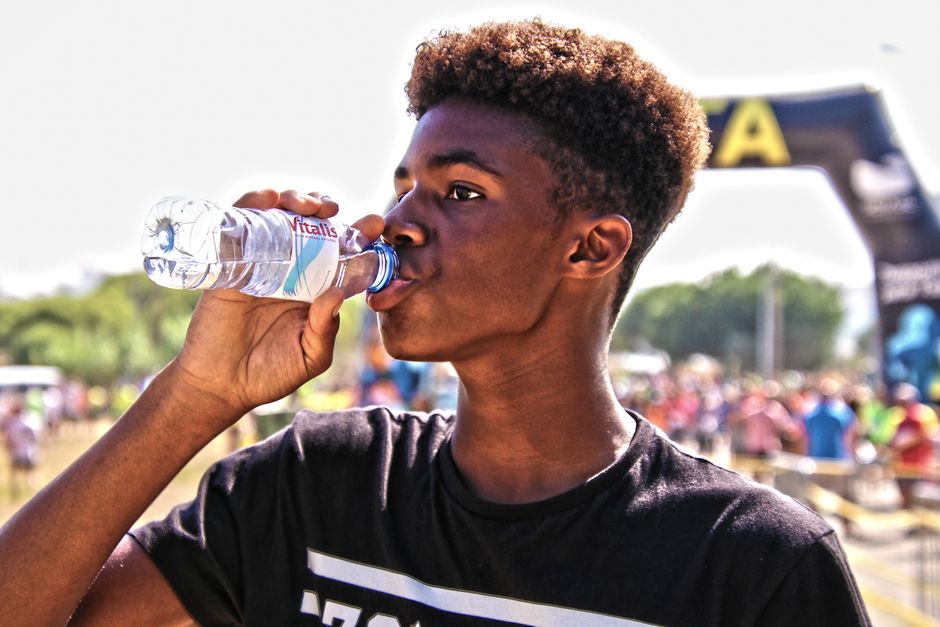
"The key is drinking consistently throughout the day rather than in one big hit," explains a local nutrition perspective. Aim for 250–500ml every hour you're awake, adjusting upward if you're active or spending extended time in the sun. A reusable water bottle is essential; most supermarkets in Eumundi and along the Esplanade stock quality bottles starting around $20–$35.
What you drink matters as much as how much. Plain water remains your best choice, but the region's heat and humidity also support electrolyte-rich options. Coconut water, available fresh at Eumundi markets' organic produce stalls, provides natural potassium and sodium. Herbal teas—particularly cooled peppermint or chamomile—count toward daily intake and support digestion without added sugars.
While sports drinks marketed for hydration often contain 6–8% carbohydrates and added sodium, most Sunshine Coast residents engaging in casual exercise don't need them. Reserve these for activity exceeding 60 minutes of intensity. Equally, limit sugary soft drinks and energy drinks; one 375ml can contains 37–40g of sugar, well above daily recommendations.
A practical local strategy: fill a 1-litre bottle each morning, finish it by lunch, and repeat in the afternoon. If you exercise early before sunrise along the Esplanade or hit the shops in Noosa Junction, drink 400–600ml an hour before activity, then 150–250ml every 15 minutes during exercise.
Signs of dehydration—mild headache, slight fatigue, dark urine—often go unnoticed in our warm climate. By the time you feel thirsty, you're already mildly dehydrated. Thirst is a poor indicator, especially for older adults and those on certain medications.
For personalised hydration advice based on your health, activity level, or any existing conditions, consult your local GP. The University of the Sunshine Coast's health research programs also offer evidence-based nutrition guidance for residents seeking professional support.
This article was compiled by AI from the sources linked above and screened before publishing. See our editorial standards.