Our reporters are based in Sunshine Coast and cover local government, business and community. The Daily Sunshine Coast is independently owned and editorially independent. Read our editorial standards →
Walking the Noosa National Park coastal track on a 28-degree morning, you'll notice something: most locals aren't clutching massive water bottles. Yet dehydration remains one of the most overlooked wellness concerns in our region, particularly during summer months when humidity compounds heat stress.
The universal advice—eight glasses daily—is a myth, says Dr Sarah Chen from the University of the Sunshine Coast's health research program. "Individual hydration needs vary dramatically based on activity level, age, body composition, and yes, our subtropical climate," she explains. On the Sunshine Coast, where humidity regularly exceeds 70 percent, sweating alone isn't always an obvious indicator of fluid loss.
A practical starting point: multiply your body weight in kilograms by 35 millilitres. A 70-kilogram person needs roughly 2.45 litres daily—but add 500 to 750 millilitres for every hour of outdoor activity, especially during peak UV hours between 10am and 3pm.
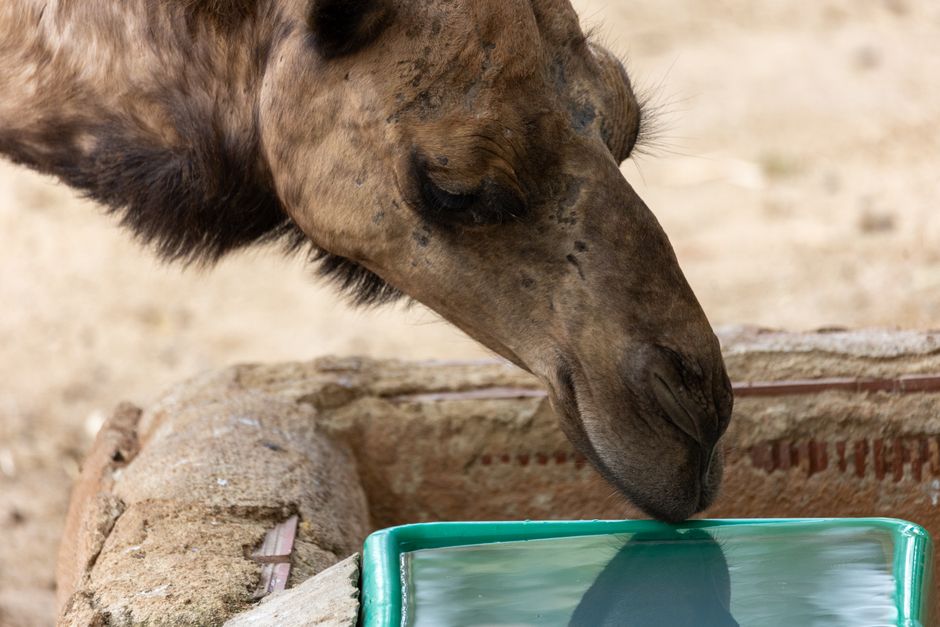
What you drink matters equally. At Eumundi Markets on Wednesdays and Saturdays, organic coconut water—rich in electrolytes—costs $6–$8 per 500ml bottle and appeals to many locals post-exercise. However, water remains the gold standard. Mooloolaba Esplanade's growing network of public water fountains reflects council recognition of this necessity, though many visitors remain unaware of their locations.
Sports drinks warrant caution. Most contain 6–8 percent carbohydrates plus sodium, useful only during intense exercise lasting over 60 minutes. For casual beachgoers or park walkers, they add unnecessary sugar: roughly 20–25 grams per serving.
Herbal teas—particularly those containing chamomile or peppermint—contribute to hydration despite containing caffeine's diuretic reputation being overstated. One cup of tea still nets 95 percent of its liquid volume toward daily intake.
Timing trumps volume. Rather than gulping two litres at lunch, aim for 250–300 millilitres every 20–30 minutes during outdoor activity. This approach, backed by sports science research, prevents both dehydration and water intoxication.
Warning signs on the Sunshine Coast heat include dizziness, dark urine, or unusual fatigue—particularly concerning for older residents and those with chronic conditions. If symptoms persist, consult your local GP rather than self-diagnosing.
This winter, hydration becomes less urgent. But as we head into summer again, establishing smart drinking habits now positions you well. Your body—and your post-beach energy levels—will thank you.
This article was compiled by AI from the sources linked above and screened before publishing. See our editorial standards.
This article was produced by the The Daily Sunshine Coast editorial desk and covers wellness in Sunshine Coast. See our editorial standards for how we use AI.
Enjoyed this story? Get tomorrow's briefing free.
Daily brief
Enjoyed this? Wake up to Sunshine Coast news every morning.