tech
Sunshine Coast's Smart City Push Sparks Privacy and Cybersecurity Concerns
As Sunshine Coast invests heavily in smart city tech, concerns over data privacy, cybersecurity, and equity are coming to the fore
How we reported this
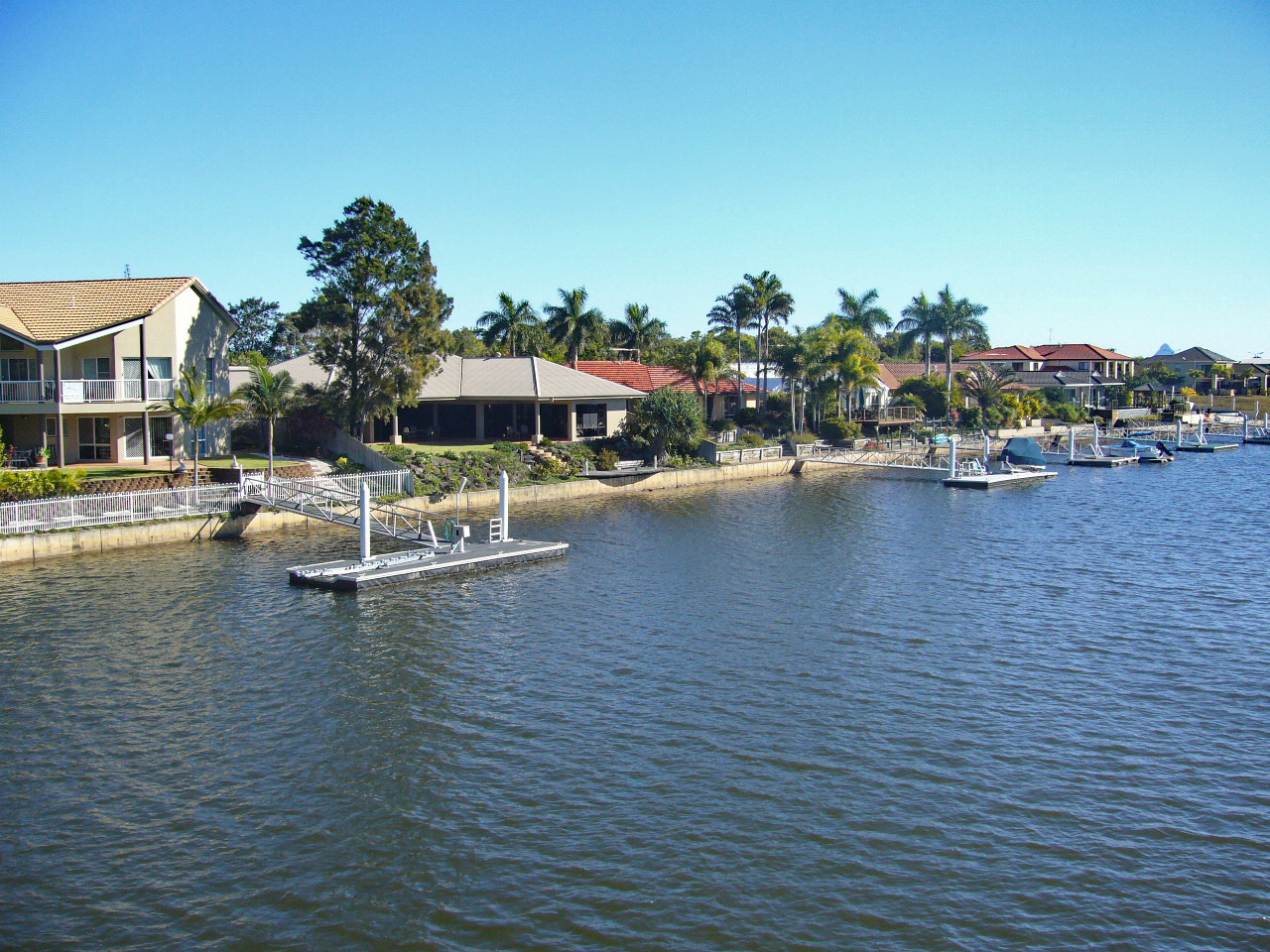
Sunshine Coast has committed $15 million to its Smart City Framework over the next three years, with a focus on integrating digital technologies into urban planning and services.
This investment matters now because the city is at a critical juncture in its development, with a population projected to reach 500,000 by 2030. The effective use of technology will be crucial in managing this growth, from optimizing traffic flow on Mooloolaba Road to improving public transportation links between Maroochydore and Caloundra. However, alongside the promise of increased efficiency and sustainability, there are challenges and risks that need to be addressed, including the potential for increased surveillance, cybersecurity threats, and unequal access to digital services.
In Sunshine Coast, specific initiatives are underway to leverage technology for urban improvement. The Sunshine Coast Council has partnered with the University of the Sunshine Coast to develop an Internet of Things (IoT) network, which will enable real-time monitoring of environmental conditions in areas such as the Maroochy River and the Mooloolah River National Park. Additionally, the council is working with local businesses and organisations, such as the Sunshine Coast Chamber of Commerce and the Innovation Centre, to support the development of smart city technologies and promote their adoption in the region.
Data from the Australian Bureau of Statistics shows that in 2020, 22% of households in Sunshine Coast lacked internet access, highlighting a significant digital divide. Furthermore, a report by the Queensland Government found that the average cost of internet plans in regional areas like Sunshine Coast can be up to 30% higher than in metropolitan areas, exacerbating this issue. As of June 2026, the council has implemented a series of digital inclusion programs, including the provision of free public Wi-Fi in locations such as the Sunshine Coast Library and the Cotton Tree Park, aiming to bridge this gap.
Addressing the Challenges
Given these challenges, it is essential for the city to implement robust safeguards and inclusive strategies. This includes investing in cybersecurity measures to protect the IoT network and other digital infrastructure from potential threats. The council should also prioritize digital literacy programs, targeting vulnerable populations such as the elderly and low-income families, to ensure they can benefit from smart city services. Moreover, there needs to be a transparent and ongoing dialogue with the community about the development and implementation of smart city technologies, addressing concerns over data privacy and surveillance.
As Sunshine Coast moves forward with its smart city agenda, residents and stakeholders should be aware of these challenges and engage in the conversation about how to mitigate them. By doing so, the city can harness the potential of digital transformation to create a more sustainable, equitable, and connected community for all. The next council meeting, scheduled for August 10, 2026, at the Sunshine Coast Council Chambers, will include a discussion on the Smart City Framework and provide an opportunity for public input and feedback.