tech
AI Boom Hits Sunshine Coast: Businesses Rush Adoption, Hidden Costs Emerge
Local operators are rushing to adopt artificial intelligence tools, and some are already counting the costs of moving too fast.
How we reported this
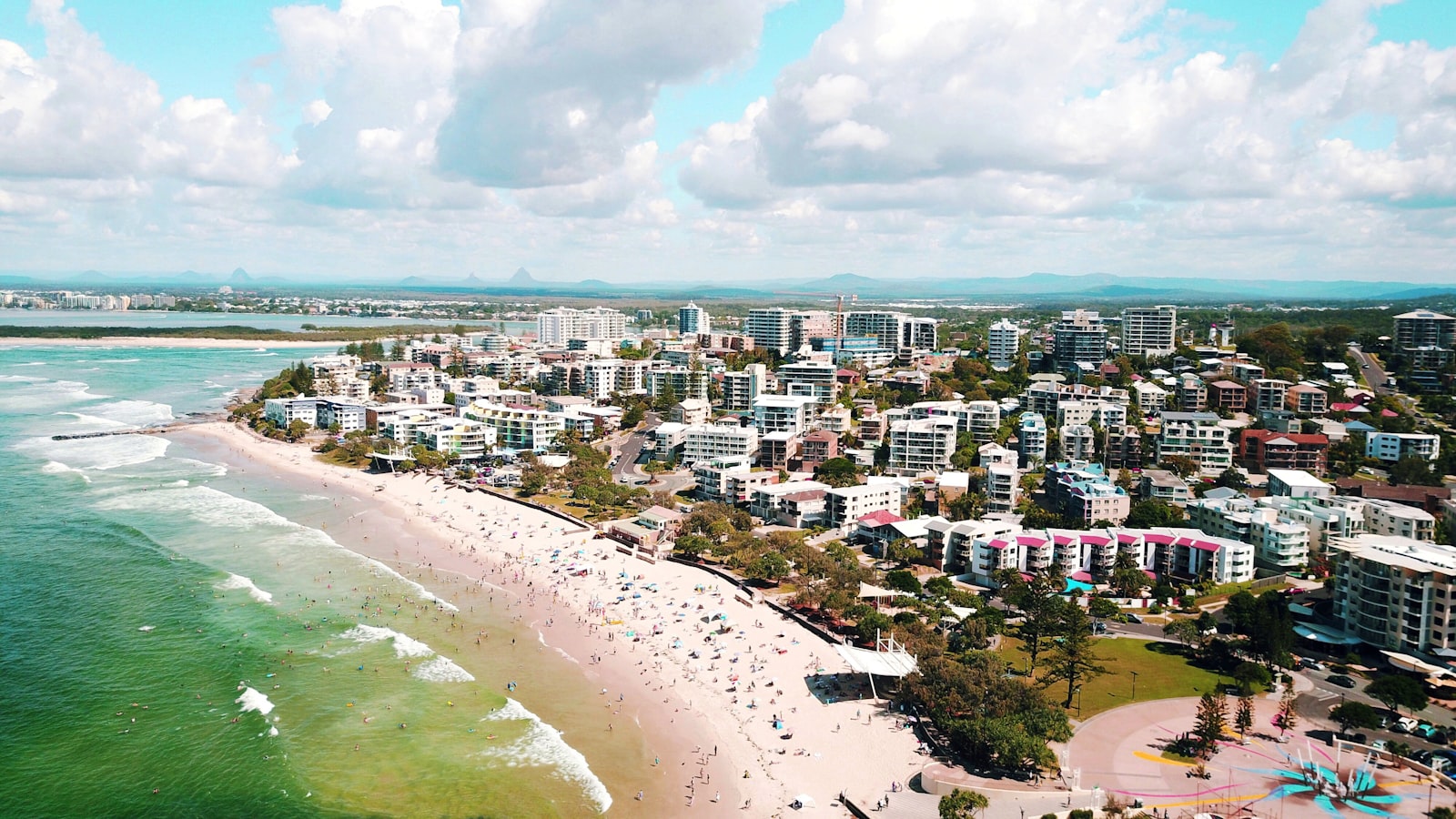
More than 60 percent of small businesses on the Sunshine Coast have trialled at least one AI tool in the past 18 months, according to figures released last month by the Sunshine Coast Business Council. A handful are thriving. Others are quietly untangling the mess those tools left behind.
The timing matters. Global AI adoption has accelerated sharply through 2025 and into 2026, with platforms rolling out generative tools faster than most organisations can evaluate them. For a regional economy that punches well above its weight in tech employment, the Maroochydore CBD alone hosts over 40 registered technology firms within the Digital Hub precinct on Aerodrome Road, the pressure to keep pace is real and constant.
The Promise Is Loud. The Problems Are Quieter.
The Digital Hub at Maroochydore, which opened its expanded co-working floors in March 2025, has been running a monthly AI literacy series since February. Attendance has roughly doubled each quarter. That enthusiasm is genuine, but so is the anxiety sitting underneath it.
Operators in the retail strip along Ocean Street in Maroochydore have reported using AI chatbots to handle after-hours customer enquiries, cutting response times from hours to seconds. Several accommodation providers around Mooloolaba Esplanade are using AI-driven pricing tools that adjust nightly rates against competitor data in real time. On paper, both are wins.
The complications surface in the details. A Sunshine Coast-based bookkeeping firm, one of several operating out of the Kawana Waters commercial precinct, spent three months last year correcting AI-generated financial summaries that had hallucinated figures. The term, now common enough to appear in mainstream AI glossaries, describes the tendency of large language models to confidently produce information that is simply wrong. For a business putting those summaries in front of clients, the reputational damage was significant.
Ethical questions are sharper still. When an AI tool trained on internet data is used to screen job applications for a Noosa-based hospitality group, who is responsible if that tool systematically disadvantages certain applicants? Australian law has not caught up. The federal government's AI Safety Standard, released in draft form in October 2025, is voluntary. That matters in a city growing as fast as this one.
What Local Operators Are Actually Being Told
The Sunshine Coast Council's Innovation and Entrepreneurship team has been running one-on-one advisory sessions for businesses navigating AI adoption since January, funded under the 2025-26 Regional Economic Development Strategy. Sessions are free, capped at 90 minutes, and the waitlist as of this week sits at around three weeks. Demand is not slowing down.
Advisors are pushing a framework built around three questions before any tool goes live: What data does it train on? Who sees that data? And what happens when it gets something wrong? Those sound basic. According to the council's own published session notes, fewer than one in five businesses arriving for their first appointment has answers to all three.
Cost is another layer. Entry-level AI subscriptions start around $30 a month, but the tools that genuinely move the needle for a business, custom integrations, API access, enterprise data controls, run from $500 to well over $2,000 a month. For a sole trader on Hastings Street or a three-person marketing agency in Birtinya, that calculus is hard.
The practical advice coming from the Digital Hub's own program facilitators is blunt: start with one process, measure it properly, and don't automate anything customer-facing until you've stress-tested it internally for at least 30 days. That is not the message that tends to get amplified by vendors selling the tools. Businesses would do well to notice the difference.