tech
Sunshine Coast Invests in Smart City Tech Amid Privacy Concerns
The region's digital transformation agenda promises smarter services and economic growth, but surveillance risks, equity gaps, and algorithmic blind spots are getting harder to ignore.
How we reported this
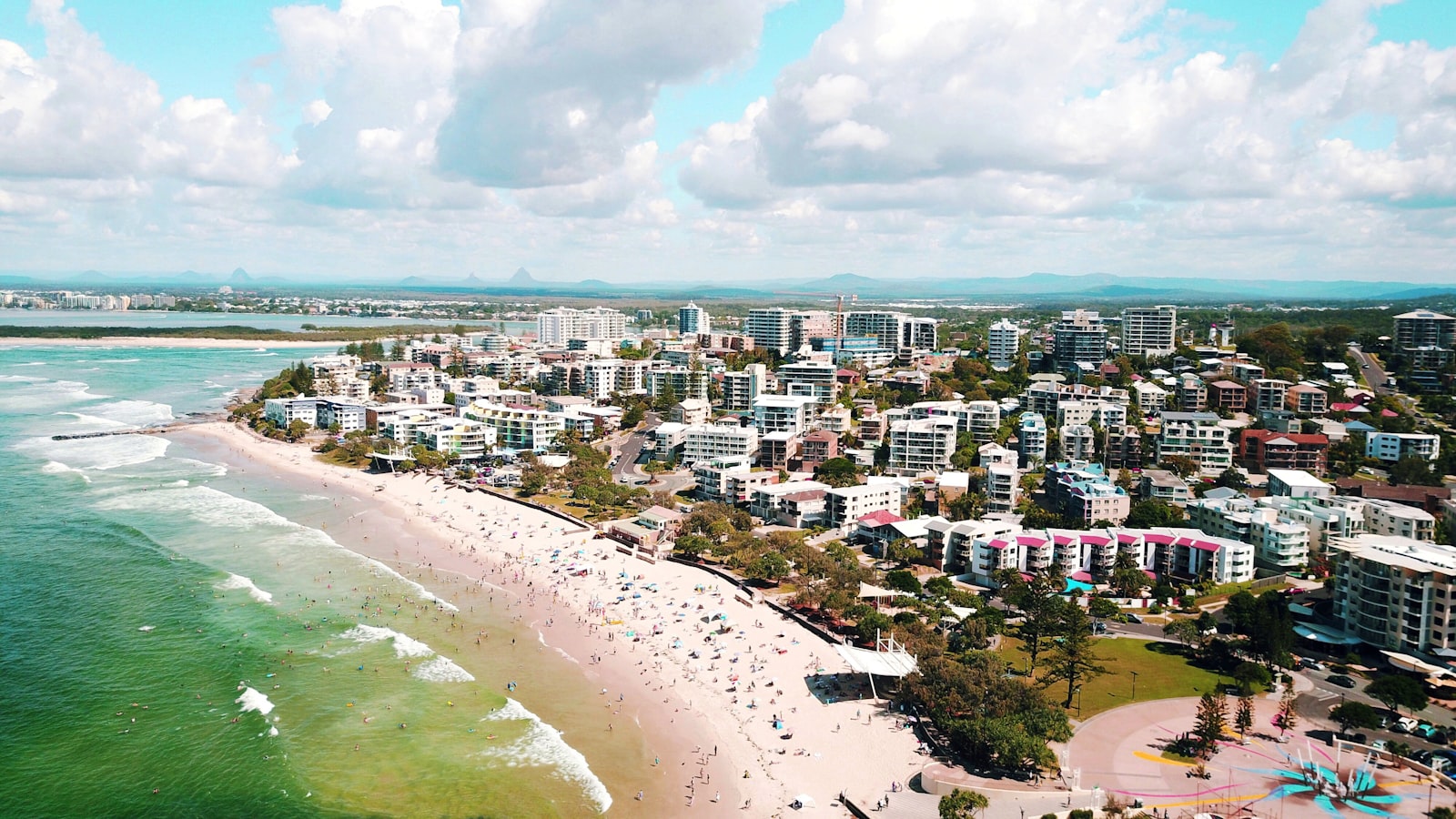
Sunshine Coast Council is accelerating its $47 million Digital Economy Strategy into its third year, and by most metrics the rollout is ahead of schedule. Sensor networks are live across Maroochydore's new CBD spine along Aerodrome Road, real-time traffic data is feeding into council's transport dashboard, and the SunnyNet open-data portal now hosts more than 340 public datasets. The pitch from council chambers is compelling. The reality on the ground is more complicated.
The timing matters because smart city infrastructure is no longer a pilot project, it is permanent. Decisions made in 2026 about what data gets collected on Cotton Tree foreshore or along the Kawana Town Centre boardwalk will shape how residents are governed for decades. Globally, cities that rushed sensor deployment without governance frameworks have spent years backtracking. Sunshine Coast still has a window, but it is narrowing.
What the Infrastructure Actually Collects
The council's Smart Region Masterplan, published in late 2024, lists pedestrian counting cameras, air-quality nodes, parking occupancy sensors, and environmental monitors as core infrastructure. What the document is less explicit about is data retention periods, who can request access, and what third-party vendors, several based outside Australia, are doing with anonymised datasets once they leave council servers. Under Queensland's Information Privacy Act 2009, personal information protections apply, but aggregated movement data sits in a grey zone that privacy advocates have flagged repeatedly to the Office of the Information Commissioner.
The University of the Sunshine Coast's Digital Living Lab, headquartered at the Sippy Downs campus, has been running its own analysis of the rollout. Researchers there have documented what they describe as a 'participation gap': residents in lower-income suburbs including Bli Bli and parts of Buderim are significantly less likely to have interacted with council's digital service portals than those in Bokarina or Birtinya, where the new health and innovation precinct has concentrated tech investment. If algorithmic service allocation follows engagement data, those communities may receive fewer resources, not more.
Cost is another friction point. The council's 2025-26 budget allocated $8.3 million specifically to smart infrastructure maintenance and expansion, but an independent audit tabled in March 2026 estimated the true total-cost-of-ownership over a 10-year horizon at closer to $110 million once connectivity upgrades, cybersecurity, and legacy system integration are included. Three councillors voted against the expanded rollout at the February 2026 ordinary meeting, citing those figures.
Ethical Architecture Has to Come Before the Physical Kind
Brisbane and the Gold Coast have both published algorithmic accountability registers, public records of where automated decision-making tools are used in service delivery. Sunshine Coast has not. The council's Digital Transformation Office has confirmed a policy framework is in development, but has not committed to a release date. That absence is not trivial. Automated triage in council services, predictive maintenance routing, even chatbot interactions on the SCC website all involve decisions that affect residents, and none of them currently sit under any formal transparency obligation.
Sunshine Coast Airport's recent integration with the Maroochydore CBD fibre backbone also raises questions about jurisdictional reach. The airport is operated under a 99-year lease by Sunshine Coast Airport Pty Ltd, a private entity, yet it feeds data into what council describes as a unified regional intelligence layer. Who governs that boundary is unclear in current documentation.
None of this means the project should stop. Smarter traffic signals on Nicklin Way have measurably reduced peak-hour congestion since sensors went live in November 2025. The environmental monitoring network caught an algal bloom event in Mooloolah River two days before traditional testing would have flagged it. The infrastructure delivers real value. The question is whether the governance architecture is being built with the same ambition as the technology beneath it. Residents who want to engage can submit to council's open consultation on the Digital Inclusion Framework, which closes July 31, 2026, and that deadline is worth treating seriously.