tech
Why the Sunshine Coast Has Quietly Built One of the World's Most Distinctive Tech Ecosystems
Flexible coworking, a lifestyle-first talent pitch, and a cluster of globally connected remote workers have turned this coastal city into a genuine alternative to the traditional tech hub.
How we reported this
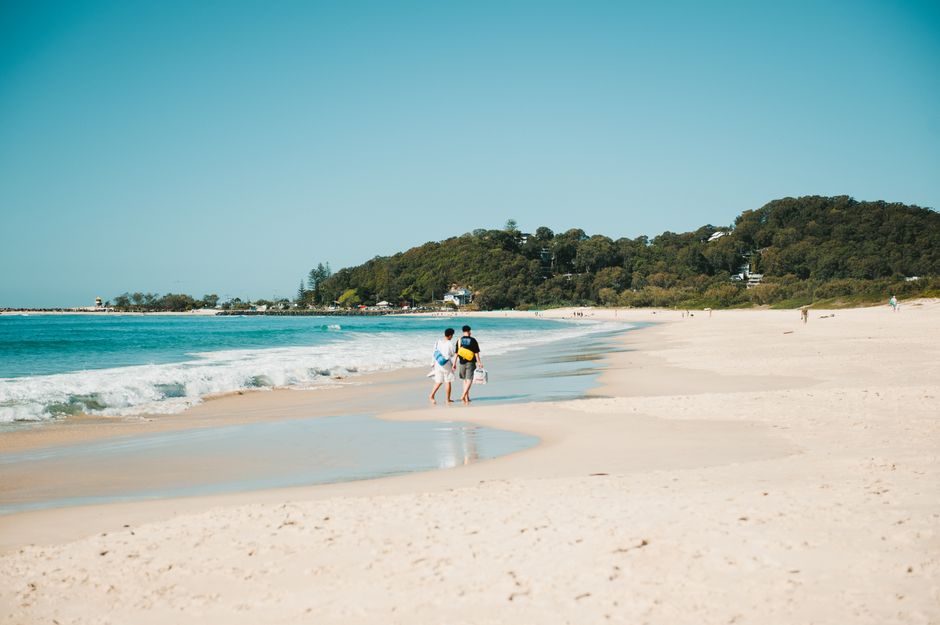
More than 4,200 technology professionals now list the Sunshine Coast as their primary base, according to figures released by the Sunshine Coast Council's economic development office in June 2026, a number that has more than doubled since 2022 and that regional planners say shows no sign of plateauing. The city is no longer just a place people retreat to after building careers in Sydney or Brisbane. Increasingly, it's where they're building those careers in the first place.
The timing matters. Globally, the browser wars, the proliferation of AI productivity tools, and a generation of hardware designed explicitly for distributed workers, compact programmable devices, multi-platform meeting controllers, the whole remote-work stack, have untethered tech jobs from geography in ways that weren't true even three years ago. The Sunshine Coast has moved faster than most cities to absorb that shift, and its coworking infrastructure is central to why.
Maroochydore's Digital Hub and the Coastal Coworking Belt
The anchor is Spark Coworking, which opened its second Sunshine Coast location on Aerodrome Road in Maroochydore in March 2025, adding 180 dedicated desks and eight soundproofed meeting pods to its original Cotton Tree venue. Memberships run from $35 per day for hot-desking to $750 a month for a locked private office, pricing that sits roughly 40 percent below comparable spaces in inner Brisbane. The waitlist for private offices at the Maroochydore site reached 60 names within six weeks of opening.
Further north, the Nambour tech precinct has emerged as a quieter counterpoint. The old Palmwoods Road industrial strip now houses three independent coworking operators, the most established being The Hinterland Collective, a not-for-profit workspace that blends hot-desking with a structured mentorship program for founders under 30. The Collective received $280,000 in Queensland Government funding under the Advance Queensland Industry Attraction Fund in late 2025, which it used to install high-speed fibre and a hardware lending library, routers, webcams, standing desks, that members can borrow for off-site work. Around 60 active members now call it home on any given week.
What makes the Sunshine Coast configuration unusual internationally is the density of senior remote workers relative to the overall population. A 2026 survey by the Regional Tech Alliance, covering 890 respondents across the Maroochydore, Caloundra, and Noosa corridors, found that 67 percent of local tech workers were employed by companies headquartered outside Australia. Forty-one percent were earning above AUD $140,000 annually. These aren't entry-level remote workers filling support tickets. They're engineers, product directors, and security researchers, exactly the profile that turns a coworking desk into a node of genuine global output.
Security, Privacy, and the Pegasus Effect
There's a less comfortable dimension to this story. High-earning remote workers handling sensitive data for overseas employers bring real cybersecurity exposure to wherever they sit. Awareness has sharpened in 2026 following high-profile spyware disclosures involving commercial surveillance tools, and several Sunshine Coast coworking operators have responded. Spark Coworking introduced a mandatory device-security briefing for all new members in May 2026, developed in partnership with the AustCyber-affiliated firm CipherCoast, based in the Maroochydore CBD. The Hinterland Collective added a quarterly threat-awareness workshop to its program calendar starting this month, July 2026.
For anyone considering a move to the region, or an employer thinking about whether to sanction a Sunshine Coast relocation for a valued staff member, the practical picture looks like this: coworking costs are competitive, the fibre rollout across the northern Maroochydore precinct completed in February 2026 meaning most commercial spaces now exceed 500Mbps symmetric, and the council's digital-nomad concierge service, launched under the Sunshine Coast 2024 Digital Economy Strategy, offers a single-contact point for business registration, workspace referrals, and community introductions. That kind of institutional friction-reduction is rare. Most cities are still arguing about zoning. This one is already past that conversation.