tech
Sunshine Coast's Smart City Push Comes With a Price, And Not Just the Dollar Kind
The region's digital transformation agenda promises smarter streets and faster services, but civil liberties groups, cybersecurity experts and ordinary residents are asking who controls the data, and what happens when it goes wrong.
How we reported this
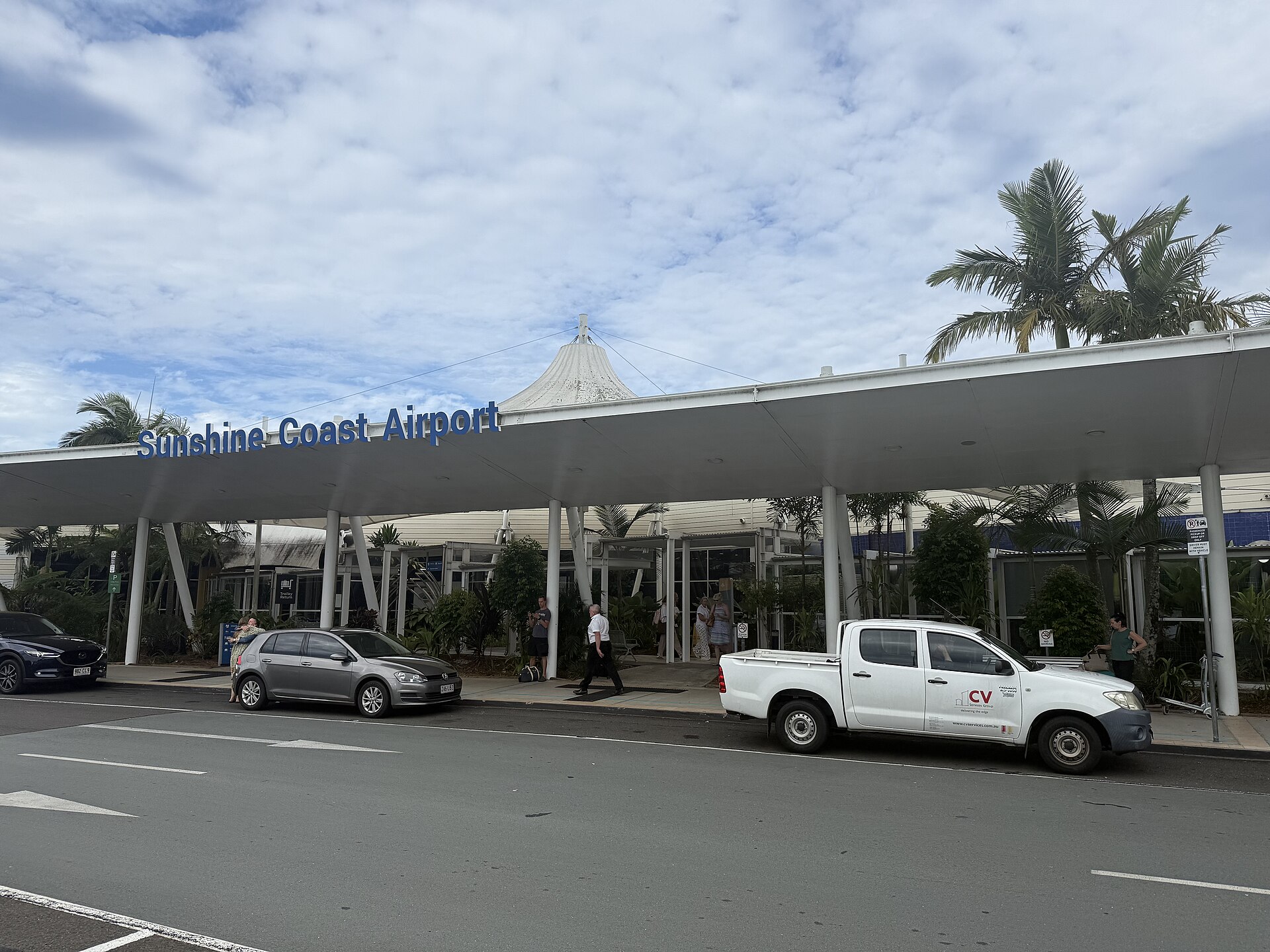
Sunshine Coast Council confirmed last month that its $47 million Smart City Roadmap will enter its next major phase in August 2026, rolling out sensor networks, AI-assisted traffic management and digitised council services across the region. The ambition is real. So are the risks.
The timing matters. Globally, the gap between what governments promise from digital transformation and what residents actually experience has become a fault line in civic trust. The Pegasus spyware revelations, which showed this week that even politicians investigating surveillance abuses had their own phones compromised, have sharpened public anxiety about who holds data and whether it stays safe. When a local council installs 400 roadside sensors between Maroochydore and Caloundra, that anxiety does not stay abstract for long.
What the Roadmap Actually Involves
The centrepiece of the current phase is the Maroochydore City Centre digital precinct, a purpose-built smart district developed by Stockland and managed under a framework that gives SunCentral Maroochydore Pty Ltd oversight of the underlying data infrastructure. Smart bins on Aerodrome Road, pedestrian flow counters near the Sunshine Plaza, and environmental monitors along the Maroochy River foreshore are either operational or contracted. A separate initiative, the Sunshine Coast Council's Digital Economy Strategy 2025-2030, funds broadband uplift for business precincts in Sippy Downs and Birtinya, with particular focus on the health and knowledge corridor anchored by the Sunshine Coast University Hospital.
Council's own documents describe the program in confident terms. But the $47 million figure does not include the operational costs of managing, securing and auditing the data those systems generate, a gap that technology procurement specialists have flagged repeatedly in submissions to Queensland's Parliamentary Committee on Transport and Resources. One April 2026 submission estimated that councils typically budget less than 12 percent of initial smart infrastructure spend on ongoing data governance. On those numbers, Sunshine Coast's annual governance budget would sit below $6 million, thin cover for a network generating continuous real-time feeds.
The Ethical Questions Residents Are Actually Asking
Community forums in Nambour and Mooloolaba in May drew larger-than-expected crowds. Attendees raised three concerns consistently: whether facial recognition could be embedded in future camera upgrades without fresh community consultation; what happens to mobility data if a third-party vendor is acquired or goes insolvent; and whether lower-income households in areas like Wurtulla and Dicky Beach would see service improvements proportionate to the surveillance they absorb.
Those are not fringe concerns. A 2025 Australian Institute survey found 68 percent of respondents did not trust local government to adequately protect data collected from public spaces, a figure that rose to 74 percent among respondents aged 18 to 34. The browser and device ecosystem is shifting too, with consumers increasingly seeking tools that limit data exposure. The impulse behind choosing a privacy-focused browser is the same one making people uncomfortable with a council sensor logging how long they stood at a bus stop on Duporth Avenue.
The Sunshine Coast's Digital Inclusion Advisory Panel, established in March 2026, is the main accountability mechanism right now. It meets quarterly and its terms of reference require it to report publicly on data handling by council-contracted vendors. That is a reasonable start. It is not, on its own, sufficient oversight for infrastructure intended to run for 15 to 20 years.
Residents who want to engage before August's rollout expansion can access draft governance protocols through the council's online Your Say Sunshine Coast portal, with submissions open until July 25. The Digital Economy team is also running drop-in sessions at Kawana Library on July 10 and at the Nambour Library on July 17. Showing up to those sessions, reading the vendor contracts when they are published, and asking the Advisory Panel specific questions about data retention periods and breach notification timelines, that is where meaningful accountability starts. Smart cities are built on data. The question Sunshine Coast has not fully answered yet is who that data is actually for.