tech
Sunshine Coast's Smart City Bet: The Funding Surge Reshaping How a Global Tech Hub Runs Itself
A wave of public and private investment is turning the Sunshine Coast's digital government ambitions from policy documents into physical infrastructure, and the numbers are getting serious.
How we reported this
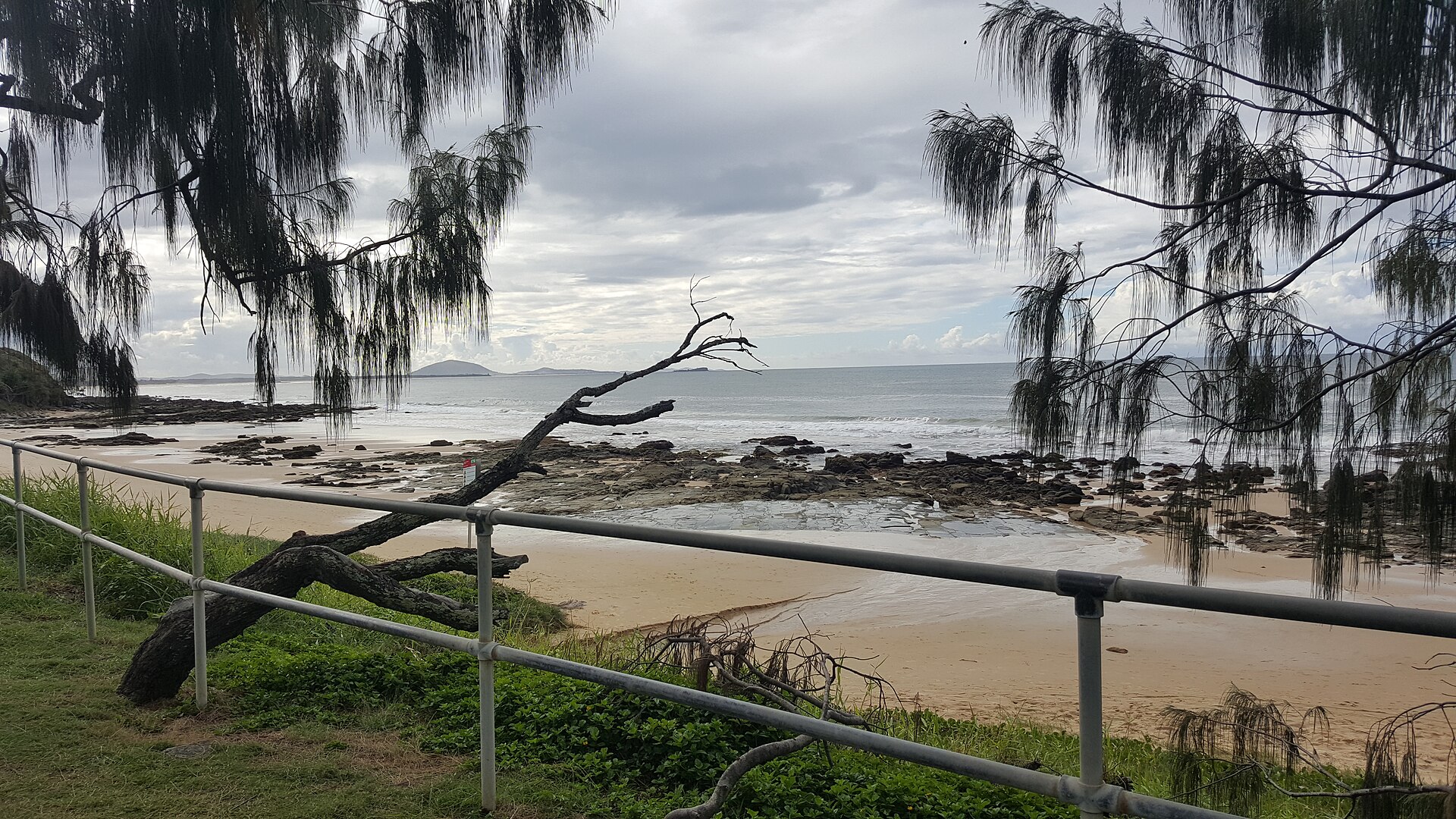
The Sunshine Coast Regional Council confirmed this week it has secured $47 million in combined federal, state and private co-investment for the second phase of its Smart City Masterplan, a program that will expand sensor networks, open data platforms and AI-assisted service delivery across the region through to 2029. The announcement, quietly published to the council's investment portal on July 1, marks the largest single tranche of gov-tech funding the region has ever attracted.
The timing matters. Across Australia, local governments are under pressure to modernise quickly, rising demand for services, chronic planning backlogs and a skills shortage in public administration have all collided at once. The Sunshine Coast, which has spent the past decade positioning itself as something more than a tourist destination, is now making a calculated argument that it can be a proving ground for technologies that larger, slower cities can't trial fast enough. That pitch is landing.
Where the Money Is Going
The bulk of the $47 million, roughly $29 million, is earmarked for physical infrastructure. That means smart sensors embedded along Nicklin Way and the Kawana Town Centre precinct, upgraded fibre backhaul connecting the Maroochydore CBD grid to council's operational technology systems, and a new civic data hub to be co-located at the UniSC Sippy Downs campus, expected to open in the first quarter of 2027. The University of the Sunshine Coast signed a formal data-sharing agreement with council in March, giving researchers access to anonymised traffic, waste and energy datasets that the smart city rollout will generate.
The remaining $18 million is split between software contracts and a competitive grant pool. Twelve local start-ups have already applied for grants of between $150,000 and $750,000 through the Sunshine Coast Innovation Centre's GovTech Accelerator, which opened applications in May. The accelerator, based at the Kawana Shoppingworld precinct co-working hub on Nicklin Way, specifically targets companies building tools for council service delivery, think permit automation, predictive infrastructure maintenance and accessibility improvements to digital services.
Globally, the smart city market was valued at just over $600 billion USD in 2025 according to analyst firm IDC, with government-led deployment accounting for nearly 40 percent of total spend. Australian local councils are a small but fast-growing slice of that figure, driven in part by the federal government's $250 million Smart Cities and Suburbs Program extension announced in the 2025-26 budget. The Sunshine Coast's current round is partly funded through that program.
What Pushback Looks Like, and Why Investors Aren't Deterred
Not everyone is enthusiastic. Privacy advocates, including the Queensland Council for Civil Liberties, have raised questions about sensor density in public spaces and whether data governance frameworks are keeping pace with deployment. The Pegasus spyware revelations that have dominated European political discourse this week have sharpened public sensitivity to surveillance technology more broadly, and council's communications team has been fielding pointed questions at community information sessions held at Caloundra's Bulcock Street library in June.
Council's published response points to its Data Ethics Charter, adopted in November 2025, which mandates independent audits every 18 months and prohibits the sale of any identifiable resident data to third parties. Whether that satisfies critics remains a live debate, but it hasn't slowed institutional investors. Infrastructure fund Macquarie Asset Management joined the co-investment group in April, bringing $8 million in private capital and a commercial interest in the long-term operational data the network will produce.
The next milestone is a council vote scheduled for August 19, when councillors will formally approve the vendor shortlist for the sensor network contract. Three companies, one based in Brisbane, one in Singapore and one local Sunshine Coast firm operating out of the Maroochydore Aerodrome tech precinct, are in contention. Residents who want to track the procurement process can access the live tender register through the council's open data portal at data.sunshinecoast.qld.gov.au, where submissions and evaluation criteria are published in real time under the council's transparency commitments. The smart city rollout, for once, is something you can actually watch happen.