Technology
Why the Sunshine Coast's Smart City Model Is Turning Heads From Singapore to Stockholm
A distributed tech ecosystem built on open data, coastal geography, and a refusal to copy bigger cities has made the Sunshine Coast an unlikely reference point for governments worldwide.
How we reported this
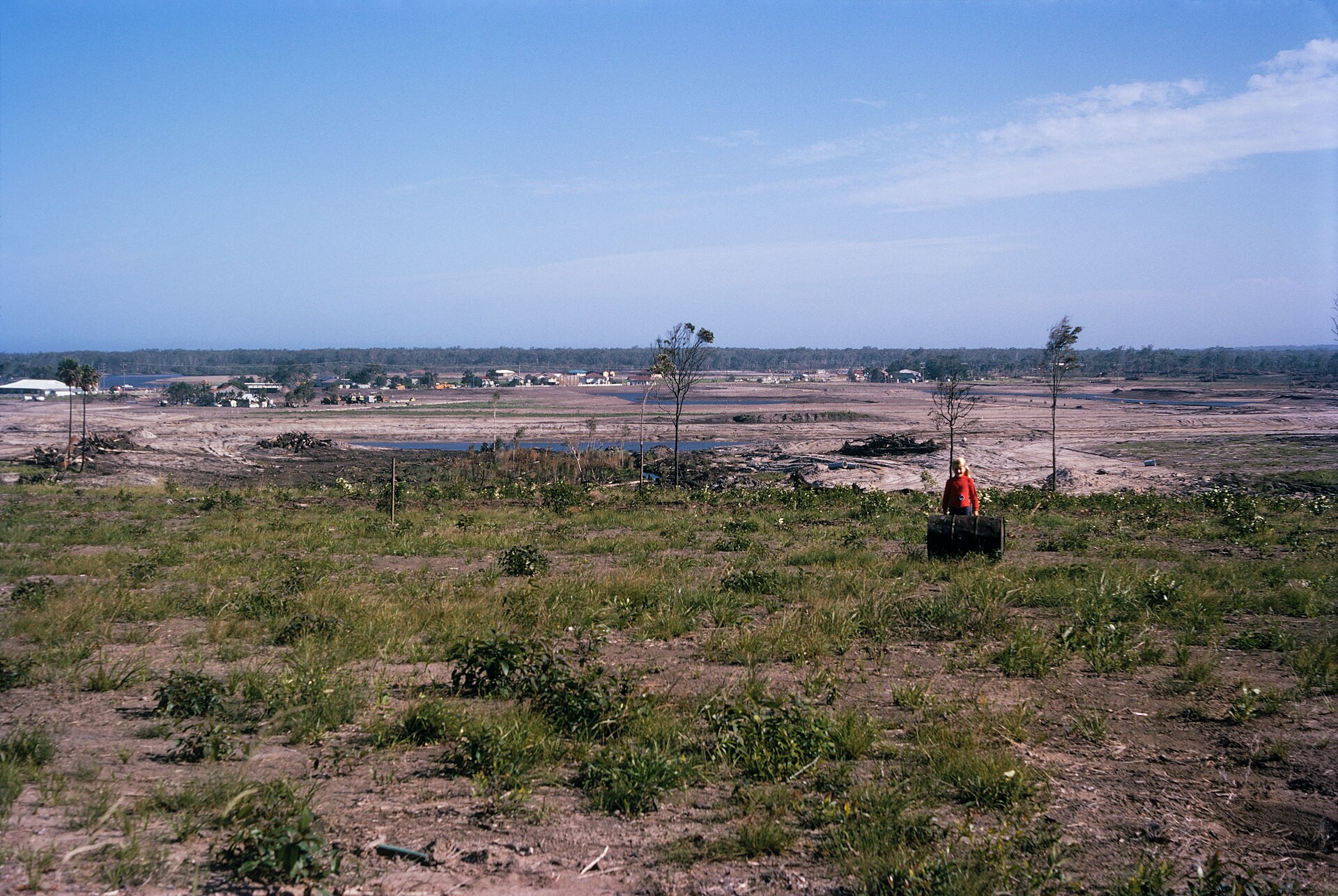
The Sunshine Coast has quietly become one of the most-studied smart city experiments on the planet. As of July 2026, delegations from at least 14 national governments have visited the region in the past 18 months to examine how a city of roughly 380,000 people built a digital infrastructure that larger metros are still scrambling to replicate. The secret, according to the officials and technologists running it, is that the Sunshine Coast never tried to be Sydney.
That distinction matters enormously right now. Across the globe, governments poured billions into centralised smart city platforms through the early 2020s, sensor grids, unified data lakes, AI traffic systems, and most of those projects either stalled in procurement hell or collapsed under the weight of vendor lock-in. The Sunshine Coast took a different path. It built small, kept its data open, and let the private sector fill gaps rather than displace them. The timing of that bet is paying off as city governments from Helsinki to Kuala Lumpur reassess what digital transformation actually means at street level.
A Distributed Model Rooted in Place
The foundation of the Sunshine Coast's approach sits inside the Maroochydore City Centre precinct, the greenfield urban core that planners began wiring for digital infrastructure back in 2017. Unlike the retrofitted sensor networks bolted onto existing cities, Maroochydore was designed from the ground up with a dark fibre network running beneath its streets, a $35 million investment by Unitywater and council that now underpins everything from parking management to flood monitoring across the Mooloolaba foreshore and the Kawana health precinct.
The Sunshine Coast Council's Digital Economy Strategy, updated in March 2025, set a target of connecting 95 percent of commercial premises in the Maroochydore CBD to that fibre backbone by the end of this year. As of the latest council figures released in May, the project is tracking at 88 percent. That kind of granular, boring infrastructure work does not generate headlines. It does, however, generate the reliable low-latency connectivity that makes real-time government services function without crashing.
SunCentral, the company established to oversee the Maroochydore development, has been particularly aggressive about publishing its data standards publicly. Startups in Birtinya's health tech corridor and the cluster of govtech firms operating out of the Caloundra coworking hub at Bulcock Street have been able to build on that open architecture without negotiating enterprise contracts. At least seven companies incorporated locally in the past three years have sold their tools to overseas municipal governments, citing the Sunshine Coast's infrastructure as their proving ground.
The Numbers Behind the Reputation
The Sunshine Coast's digital economy generated approximately $2.1 billion in output in the 2024-25 financial year, according to figures compiled by the Regional Economic Development Institute in Sippy Downs. That represents a 34 percent increase over three years, faster growth than Brisbane's comparable sector over the same period. The university precinct at the University of the Sunshine Coast's Sippy Downs campus is feeding roughly 1,200 technology graduates per year into the local workforce, a pipeline that employers consistently rank as the single biggest advantage of operating here over larger cities.
Cybersecurity is one area where the region's reputation is increasingly fragile. Global incidents, including the confirmed Pegasus spyware compromise of a European politician's phone revealed this week, serve as reminders that any connected government system carries risk. The Sunshine Coast Council acknowledged in its 2025 digital strategy that its open data posture requires compensating investment in endpoint security and access controls. A $4.2 million cybersecurity uplift program, funded jointly through the Queensland Government's Works for Queensland initiative, is due to complete rollout across council systems by September 2026.
For other cities looking at this model, the practical lesson is sequencing. The Sunshine Coast built its fibre backbone before it built its applications. It established data governance rules before it invited private operators in. Councils and govtech practitioners attending the Smart Cities Council Australia summit in Brisbane this October will find the region presenting a detailed case study on that sequencing. Local officials are expected to open a formal knowledge-exchange program with two Southeast Asian cities by the end of the year, the specifics of which are still being negotiated, that would formalise what has until now been a series of informal study tours along the Mooloolaba Esplanade and through the Maroochydore CBD.