tech
Smart City Dollars Are Flowing Into Sunshine Coast, and the Numbers Are Getting Hard to Ignore
A wave of government and private investment is reshaping how the Sunshine Coast delivers services, and the funding story behind it reveals just how serious the transformation has become.
How we reported this
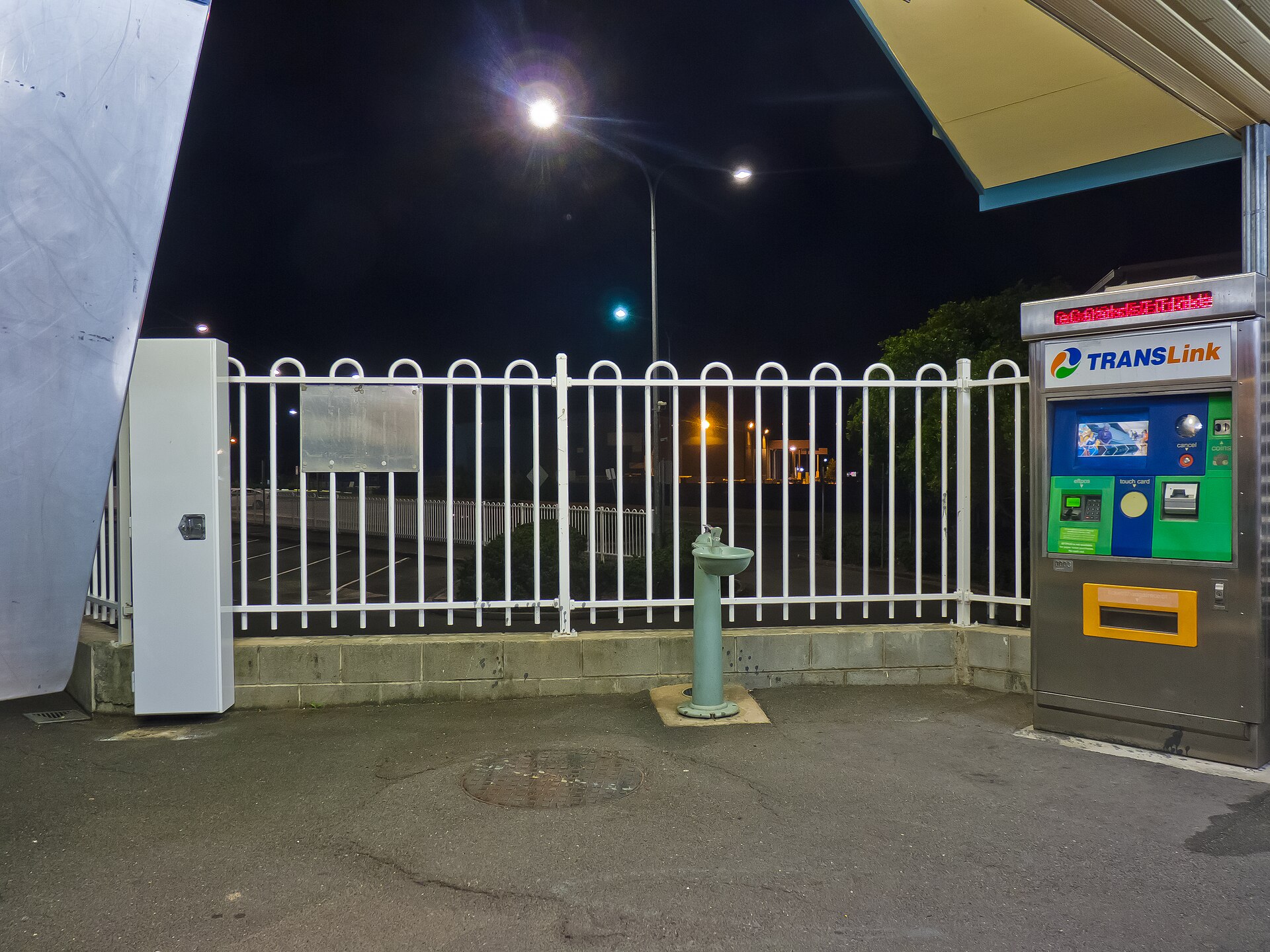
The Sunshine Coast Council approved a $47 million digital infrastructure commitment in late June, the single largest gov-tech allocation in the region's history, earmarking funds for sensor networks, open data platforms and an integrated transport management system expected to be operational by Q3 2027. The vote was 9-2, with dissenting councillors citing data sovereignty concerns rather than the dollar figure itself.
The timing matters. Across Australia, state and federal governments are under pressure to demonstrate measurable efficiency gains after the 2025 National Digital Economy Strategy set binding targets for local government service digitisation. Sunshine Coast, with its population cresting 400,000 and a tech sector that now employs roughly 14,000 people, is positioned as one of the test cases the federal Department of Infrastructure points to when defending the strategy to Senate committees. Getting this wrong, or getting it right, will carry weight far beyond Buderim and Birtinya.
Where the Money Is Actually Going
The largest single line item, around $18 million, is allocated to the SunCity Connect platform, a unified resident-facing app being built in partnership with Brisbane-based govtech firm Civic Digital Group. The platform will consolidate parking permits, development applications, waste collection schedules and flood alert notifications into one interface. Pilot testing starts at Maroochydore City Centre in October, specifically in the precincts around First Avenue and Duporth Avenue where foot traffic data is already being collected through existing council-owned sensors.
A further $12 million goes toward the Oceanside Health and Innovation Precinct in Birtinya, which is integrating smart building management systems across three new clinical facilities. The precinct is co-funded through the Queensland Government's $200 million Health Infrastructure Digital Uplift Program, announced in March 2026. That state funding de-risks a significant chunk of the local spend and has encouraged private operators, at least two of whom have signed heads-of-agreement for anchor tenancies in the precinct, to layer in their own technology investments on top.
The remaining allocation covers fibre backbone upgrades along the Sunshine Coast Airport industrial corridor, cybersecurity hardening across council's operational technology networks, and a $3.2 million skills pipeline program run through USC (University of the Sunshine Coast) to train 200 local residents in data analytics and systems administration over 18 months. That last item is not incidental. The Pegasus spyware revelations circulating internationally this week are a reminder that building smart city infrastructure without the local human capital to audit and defend it is a genuine governance liability.
Who Else Is Writing Cheques
Private capital is following the public money. Proptech firm Mirvac, which is developing the $2.1 billion Caloundra South urban expansion, confirmed in May it would embed smart metering and demand-response energy systems across the first 1,200 lots, a technology layer it previously reserved only for inner-city projects in Sydney and Melbourne. That decision, according to Mirvac's ASX filing, was directly influenced by council's commitment to maintain open data standards that allow third-party developers to build on top of council infrastructure rather than compete with it.
Venture capital is trickling in too. Sunshine Coast-based startup Flux Urban, which builds digital twin modelling tools for municipal planners, closed a $6.5 million Series A in May led by Sydney fund Blackbird Ventures. The company operates out of the Caloundra Innovation Hub on Omrah Avenue and now has 34 staff. Three other early-stage companies in the same building are in active funding conversations, according to council's Innovation Economy team.
The practical consequence for residents and businesses watching this unfold: the window for shaping how these systems get built is narrower than most people realise. Council's public consultation on the SunCity Connect data governance framework closes July 31, and submissions can be lodged through the Sunshine Coast Council website. The design decisions made in that framework, around data retention, third-party access and algorithmic decision-making, will govern how the region's digital infrastructure operates for the next decade. The investment is locked in. The terms of how it serves the public are still being written.