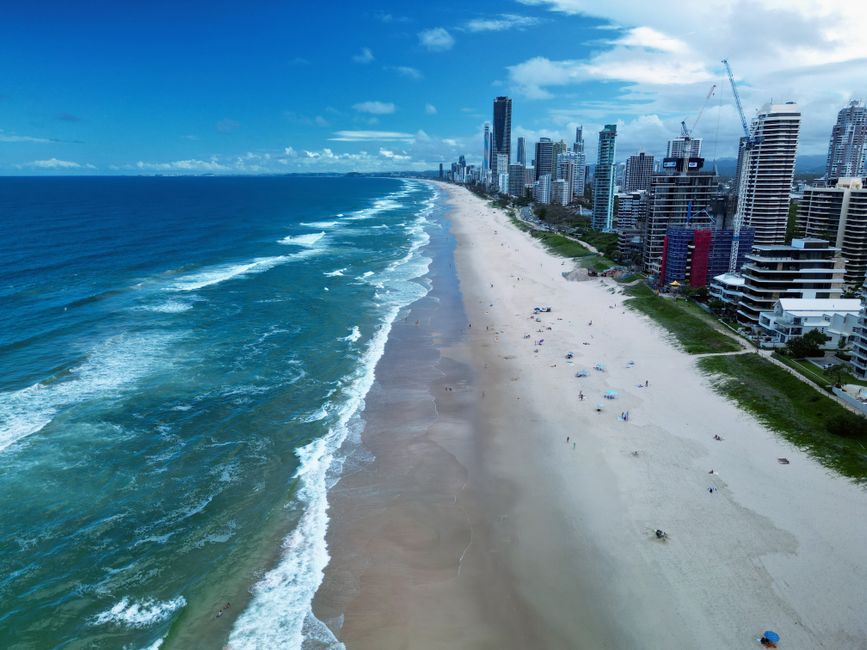
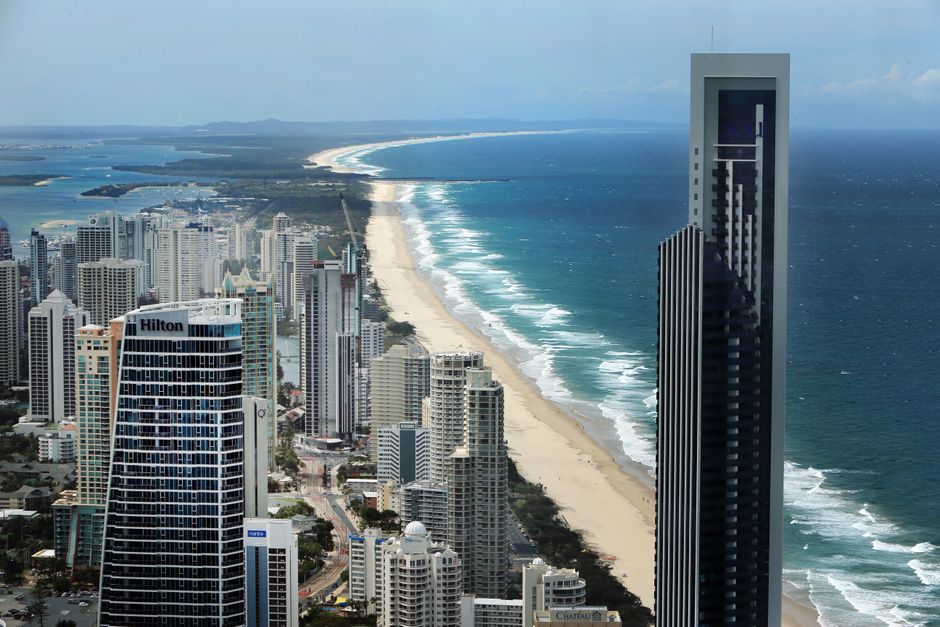
The gleaming coworking hubs sprouting across Sunshine Coast's tech corridor—from Mooloolaba's waterfront innovation districts to the repurposed warehouse spaces along Cotton Tree Drive—paint a seductive picture of modern work. Flexible hours, community networking, and escape from suburban isolation have attracted thousands of remote professionals and entrepreneurs to spaces like Synergy Hub and similar venues across the region.
But beneath the Instagram-friendly aesthetics and competitive pricing (ranging from $150 to $400 monthly for hot desks) lies a more complicated reality that local business leaders and policymakers are only beginning to grapple with.
"The promise is genuine," says workplace researcher Dr. Elena Vasquez from Sunshine Coast Business Institute. "But we're seeing emerging problems: workers without employment contracts, no sick leave entitlements, and minimal recourse when things go wrong." Recent surveys suggest up to 40 percent of coworking users in the region operate as independent contractors with no formal protections.
Beyond employment law, digital privacy concerns loom large. Many Sunshine Coast coworking facilities offer enhanced amenities—premium WiFi, motion-sensor lighting, biometric access—that generate reams of personal data. Questions about who owns this information, how it's used, and whether workers genuinely consent remain largely unaddressed by local regulators.
There's also the equity problem. Premium coworking on The Esplanade or in Noosa's business precincts costs triple what it did five years ago. Lower-income freelancers and startups increasingly can't afford them, pushing talented workers further into suburban isolation or forcing them back to traditional offices. This threatens Sunshine Coast's reputation as an inclusive tech hub.
Psychological wellness presents another blind spot. While remote work eliminates commutes, coworking's transient nature—different faces, shifting communities, no organizational belonging—correlates with rising burnout and isolation rates among the city's digital workforce.
The good news: Sunshine Coast is positioned to lead. Several coworking operators have begun implementing ethical charters around data transparency and worker rights. The Sunshine Coast Chamber of Commerce is exploring guidelines for fair pricing and access equity. Local councils are investigating zoning regulations that could mandate community benefits in new coworking developments.
The future of work on the Sunshine Coast doesn't have to replicate the mistakes of larger cities. By addressing surveillance, employment protections, and access equity now—rather than after problems calcify—the region can build a remote work ecosystem that genuinely serves its diverse workforce. The promise is real. But only if we're willing to scrutinize the costs.
This article was compiled by AI from the sources linked above and screened before publishing. See our editorial standards.