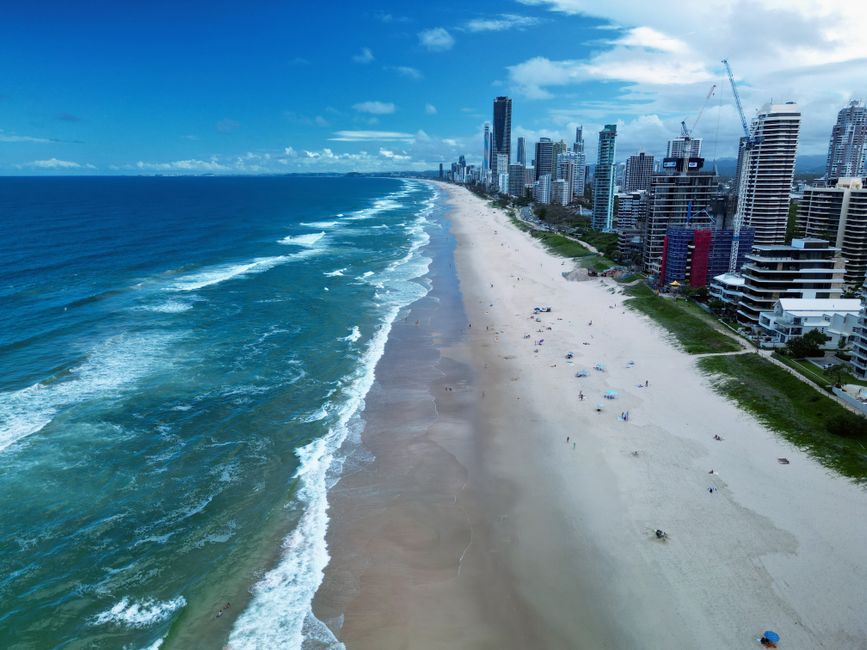
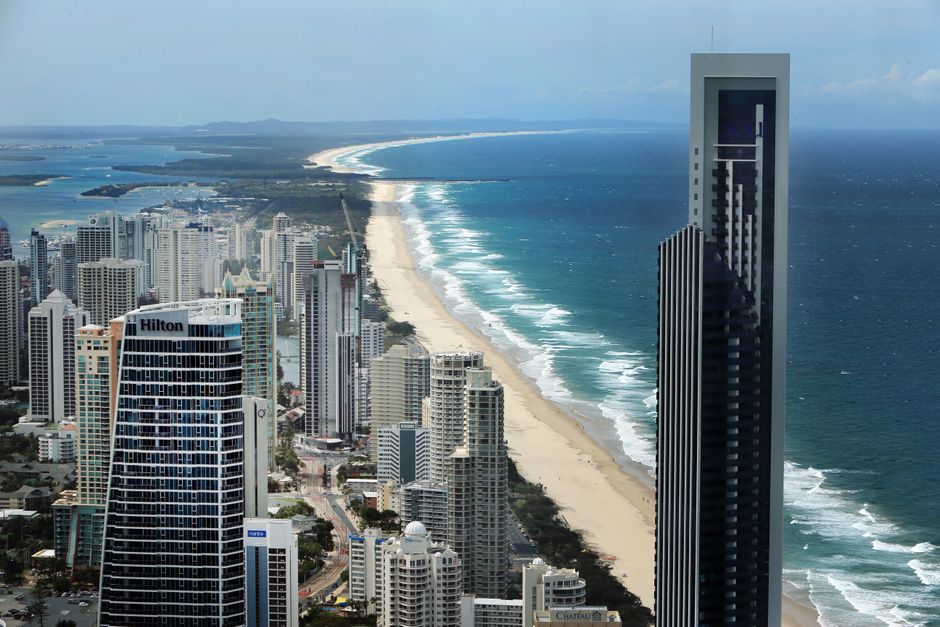
The vision is seductive: traffic flowing seamlessly along the Esplanade, energy grids optimising themselves in real-time, council services responding instantly to citizen needs via apps and algorithms. Sunshine Coast's push toward smart city status—backed by $47 million in state funding announced last year—promises to make our growing metropolis more efficient, sustainable, and liveable.
Yet behind the gleaming rhetoric of digital transformation lies a tangle of uncomfortable questions that city planners and residents are only now grappling with seriously.
The rollout of IoT sensors across Mooloolaba, Cotton Tree, and the CBD is already raising privacy concerns. Residents in the Noosa hinterland have questioned what happens to data collected from thousands of cameras and environmental monitors. The council has committed to privacy impact assessments, but implementation details remain vague. At a packed forum at the Sunshine Coast Library last month, one question kept surfacing: who owns this data, and who profits from it?
Then there's the equity question. Smart city infrastructure typically benefits affluent neighbourhoods first—those with stable internet, tech-savvy residents, and property owners invested in efficiency gains. Meanwhile, Mount Coolum and other lower-income areas risk being left behind, widening the digital divide in our already unequal city.
Local tech entrepreneur and digital ethics researcher Dr Sarah Chen points to deeper systemic risks. Algorithmic decision-making in areas like waste management, transport planning, and even permit approvals can encode existing biases into policy, making discrimination harder to detect and challenge. When an AI system decides where to prioritise road repairs, whose neighbourhoods get overlooked?
Cybersecurity vulnerabilities are another blind spot. Connected infrastructure is only as secure as its weakest link, and our city's systems are attractive targets. A successful attack on traffic management or water systems could paralyse essential services affecting 300,000+ residents.
The Sunshine Coast has real advantages—a booming tech workforce, progressive local government, genuine commitment to sustainability. But that's precisely why this moment matters. We can build smart systems with genuine community input, robust privacy protections, and equity safeguards baked in from the start. Or we can chase the narrative of technological inevitability and wake up in five years regretting decisions made in haste.
The promise is real. So are the risks. The question is whether we'll acknowledge both.
This article was compiled by AI from the sources linked above and screened before publishing. See our editorial standards.