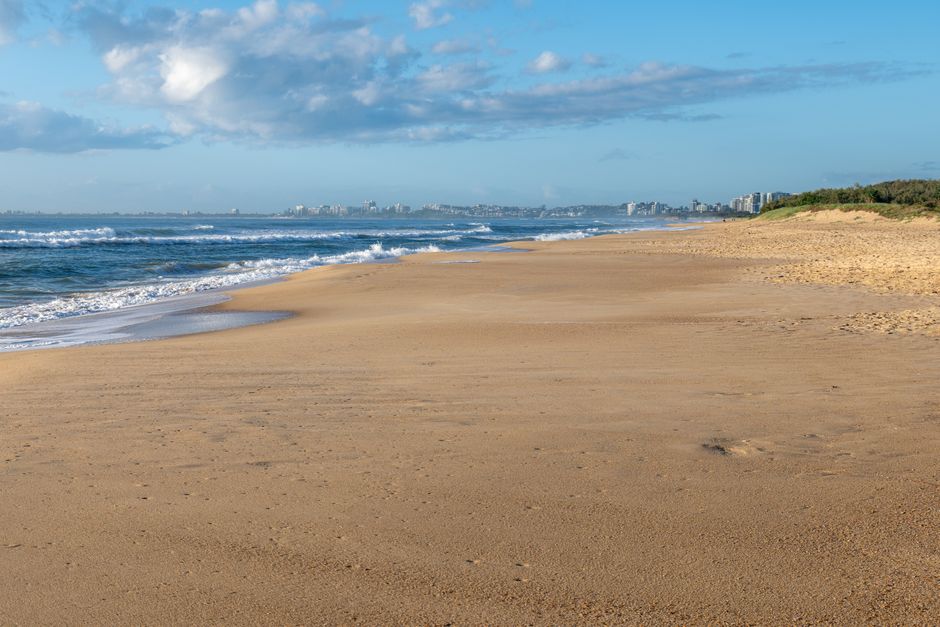
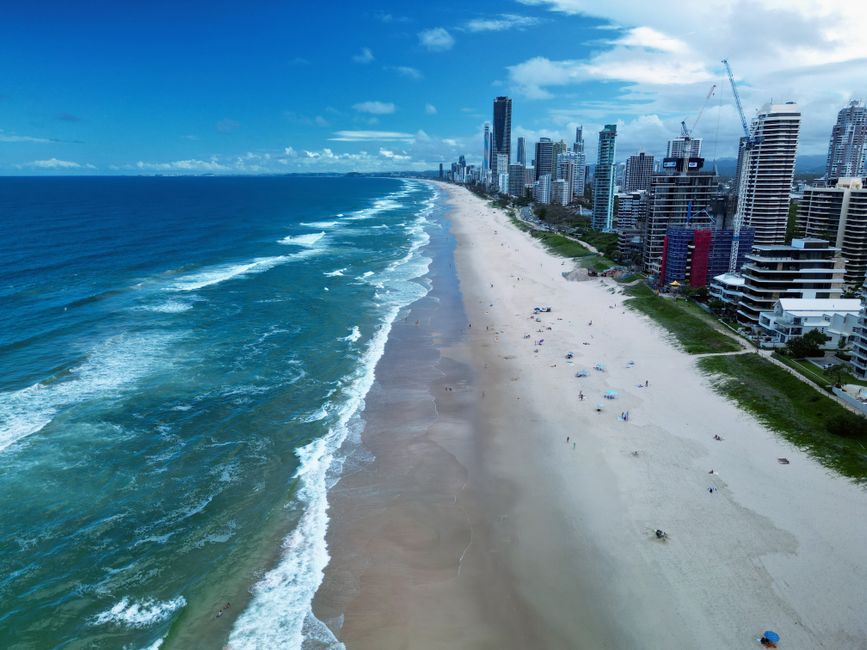
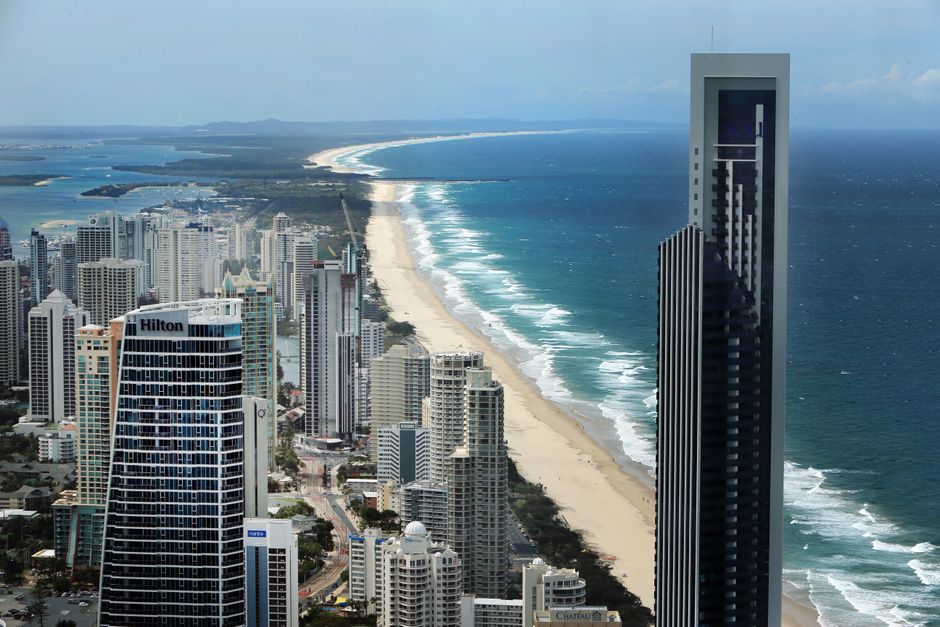
Walk along the Broadbeach precinct on any Tuesday morning and you'll spot them: founders in board shorts, laptops balanced on café tables overlooking the Pacific, venture capitalists joining standup paddleboard meetings. This is the Sunshine Coast's most distinctive competitive advantage—a technology ecosystem that has cracked the code on something the world's major tech hubs still struggle with: sustainable innovation without burnout.
The city's tech sector has grown 34% over the past three years, with over 2,400 active tech companies now headquartered here, according to the latest Sunshine Coast Business Council data. Yet what truly differentiates this hub isn't the growth rate—it's the philosophy underpinning it.
"We've deliberately built a tech culture around lifestyle balance," explains the ethos reflected across districts like Noosa Junction and Mooloolaba, where co-working spaces and innovation precincts sit adjacent to some of Australia's best beaches and hinterland trails. This isn't accidental. Major players like the Sunshine Coast Innovation Centre on Innovation Drive have explicitly designed their operations to encourage founders to work intensely but live sustainably.
The numbers reflect this approach's appeal. Average salaries for senior developers here sit 12-15% lower than Sydney or Melbourne, yet talent retention rates exceed 87%—among the highest in the nation. Companies cite quality of life as the primary reason for staying, a metric rarely captured in traditional economic analyses but increasingly critical for long-term innovation sustainability.
International recognition has followed. In 2025, the Sunshine Coast ranked third globally in the International Innovation Index's "work-life ecosystem" category, behind only Copenhagen and Zurich. Three unicorn-status startups launched here in the past 18 months, with founders explicitly citing the city's environment as decisive in their location choice.
The city's tech infrastructure has matured accordingly. Fibre-optic deployment now reaches 94% of metro Sunshine Coast, while the University of the Sunshine Coast's innovation partnerships have generated 23 spin-out companies since 2020. The recently expanded Sunshine Coast Airport has eased international travel friction—a critical pain point that previously challenged earlier-stage growth companies.
What remains genuinely distinctive, however, is cultural. In boardrooms from Caloundra to Coolum, the question "Will this improve our lives as well as our valuations?" carries genuine weight. It's not hippie idealism—it's pragmatic recognition that sustainable innovation requires sustainable founders.
For a global tech sector grappling with burnout epidemics and talent flight, the Sunshine Coast's experiment offers a compelling counternarrative: perhaps the future of competitive advantage lies not in working harder, but in thinking differently about why we work at all.
This article was compiled by AI from the sources linked above and screened before publishing. See our editorial standards.