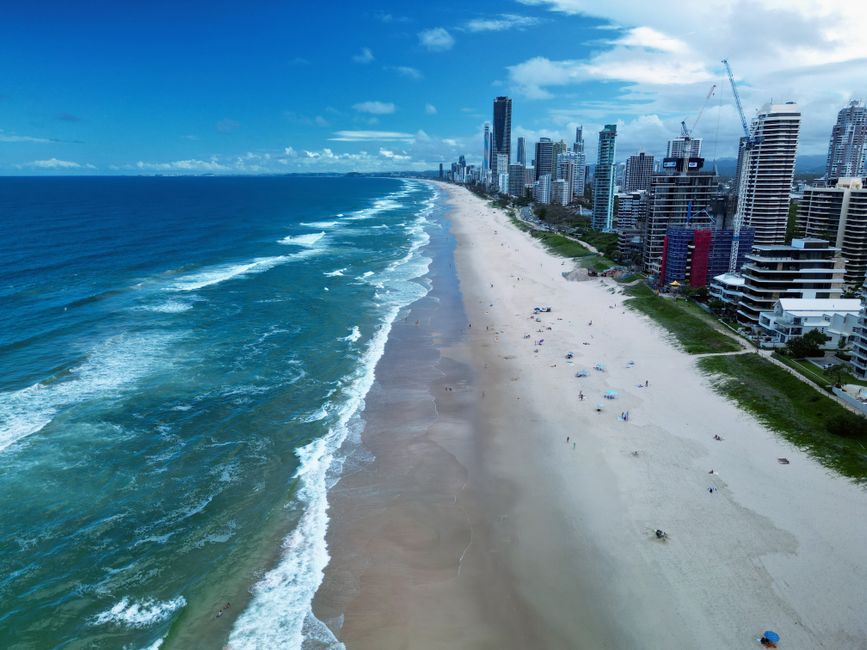
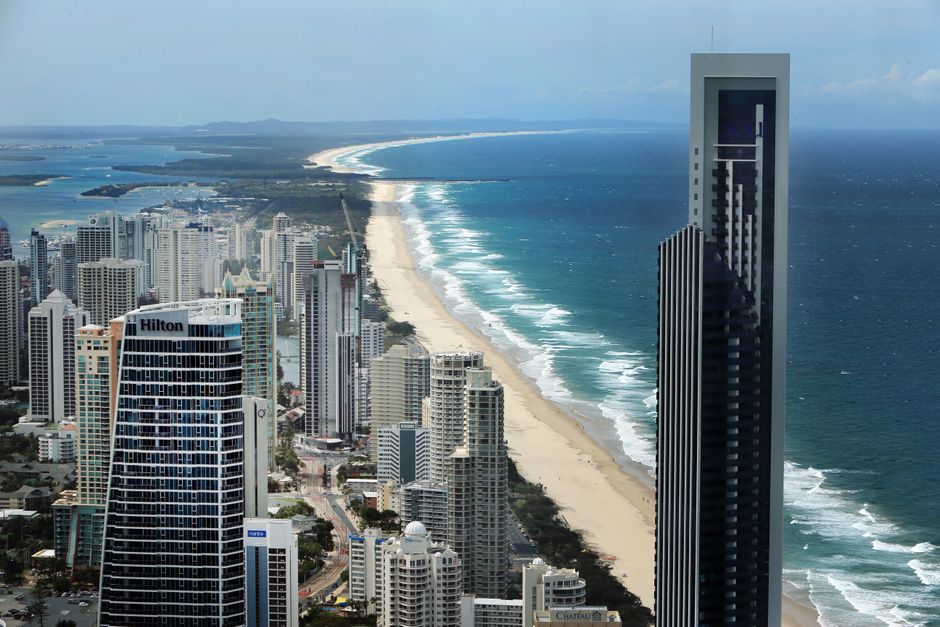
The Sunshine Coast's commitment to carbon neutrality by 2040 has sparked a construction boom across the region—from solar farms in the hinterland to offshore wind proposals near Noosa Heads. Yet beneath the optimistic messaging about renewable energy jobs and investment lies a more complicated reality that local stakeholders are only beginning to confront.
Data released by the Sunshine Coast Council last month showed that proposed lithium mining operations supporting battery production would require water extraction rates equivalent to supplying 12,000 homes annually. In a region increasingly vulnerable to drought cycles, that trade-off represents a genuine ethical dilemma: cleaner energy grids built on resource depletion in developing nations and stressed local water systems.
"We're seeing massive demand for cobalt and lithium from manufacturers in Brisbane and Melbourne," says sustainability researcher Dr James Whitmore from the Sunshine Coast University Institute for Climate Futures, based in the Mooloolaba precinct. "But the supply chains remain opaque, with labour conditions in extraction zones poorly regulated."
The scale is staggering. The proposed battery gigafactory near Caloundra South is projected to process materials from mines across West Africa and Southeast Asia. Community groups along Nicklin Way have begun raising concerns about manufacturing emissions, while transparency advocates question whether the facility will disclose its full supply chain audits publicly.
Land-use conflicts are equally pressing. Solar installations across the Sunshine Coast hinterland—from Mapleton to Maleny—have begun competing with agricultural land, native habitat restoration, and community green spaces. Local farmers report pressure to lease properties for 25-year renewable contracts, fundamentally altering rural demographics.
Yet dismissing green energy isn't realistic either. The International Energy Agency projects that without renewable acceleration, the Sunshine Coast faces catastrophic coastal erosion and infrastructure damage by 2050. Solar and wind adoption remains essential.
The conversation happening at council chambers, community forums in Buderim, and university symposiums suggests a maturing recognition: sustainability isn't binary. Real progress requires difficult choices about acceptable environmental trade-offs, genuine worker protections in supply chains, and transparent governance structures.
The Sunshine Coast has an opportunity to lead on these questions—establishing local standards for ethical green manufacturing and supply chain accountability that might influence national policy. That would be cleaner energy in the truest sense.
This article was compiled by AI from the sources linked above and screened before publishing. See our editorial standards.