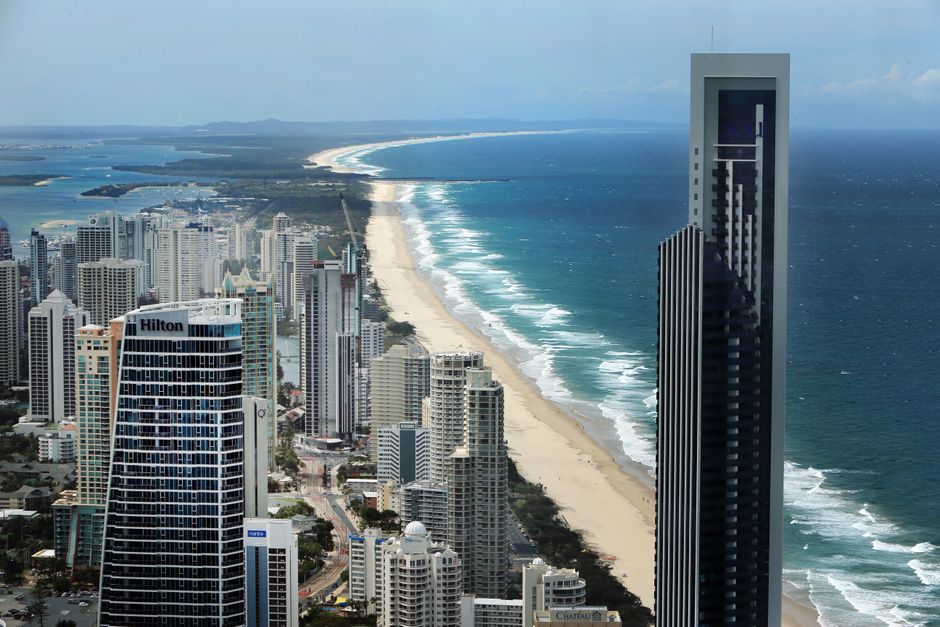
Sunshine Coast has emerged as one of the Asia-Pacific's fastest-growing innovation hubs over the past five years, with over 340 active tech startups now operating across the Northcliffe precinct and surrounding innovation zones. Yet beneath the optimistic headlines about job creation and economic transformation lies a more complicated reality that city planners, entrepreneurs, and residents are only beginning to confront.
The numbers are undeniably impressive. Real estate in the Northcliffe tech corridor has appreciated 47% since 2021, while venture capital investment reached $2.3 billion in 2025. Major AI and biotech firms have established regional headquarters at the Innovation Quarter near Maroochydore, creating thousands of skilled positions. But these gains have prompted hard questions about who benefits and at what cost.
Data privacy concerns top the list. Several local firms operating in healthcare analytics and fintech have faced regulatory scrutiny over customer information handling. The Queensland Digital Rights Coalition, based in nearby Caloundra, estimates that fewer than 12% of Sunshine Coast startups maintain independent ethics boards—a critical gap as AI systems increasingly influence lending decisions, medical diagnoses, and employment screening.
Labour practices present another challenge. While median salaries for software engineers have climbed to $145,000 annually, contract workers and junior developers often lack benefits or job security. Casualisation rates in the tech sector here exceed state averages by 18%, according to a recent University of the Sunshine Coast study.
Environmental costs demand attention too. Data centres powering cloud infrastructure consume significant energy; the three major facilities operating near Sippy Downs collectively draw enough electricity to power 15,000 homes. Companies face growing pressure to disclose carbon footprints and transition to renewable energy—an expensive undertaking many early-stage firms defer.
Perhaps most pressing: algorithmic accountability. As machine-learning systems developed here enter global markets, questions linger about bias testing, transparency, and who bears responsibility when systems cause harm. Current regulatory frameworks haven't kept pace with innovation velocity.
Industry leaders acknowledge these tensions. The Sunshine Coast Tech Council has launched new working groups addressing ethics and sustainability, though critics argue such initiatives often lack enforcement mechanisms. Meanwhile, community groups like the Noosa Digital Futures Alliance are demanding greater public input into how innovation shapes local life.
The challenge ahead isn't whether the tech sector should grow—it clearly will. Rather, it's whether Sunshine Coast can build guardrails robust enough to ensure that promise reaches beyond boardrooms and venture capitalists into the broader community, and that innovation doesn't simply export problems elsewhere.
This article was compiled by AI from the sources linked above and screened before publishing. See our editorial standards.