Numbers Game: What Sunshine Coast's Youth Sport Participation Data Reveals About Our Fitness Culture
Rising enrollments in junior programs across the region paint a picture of a community investing heavily in active lifestyles—but gaps remain in underserved suburbs.
Our reporters are based in Sunshine Coast and cover local government, business and community. The Daily Sunshine Coast is independently owned and editorially independent. Read our editorial standards →
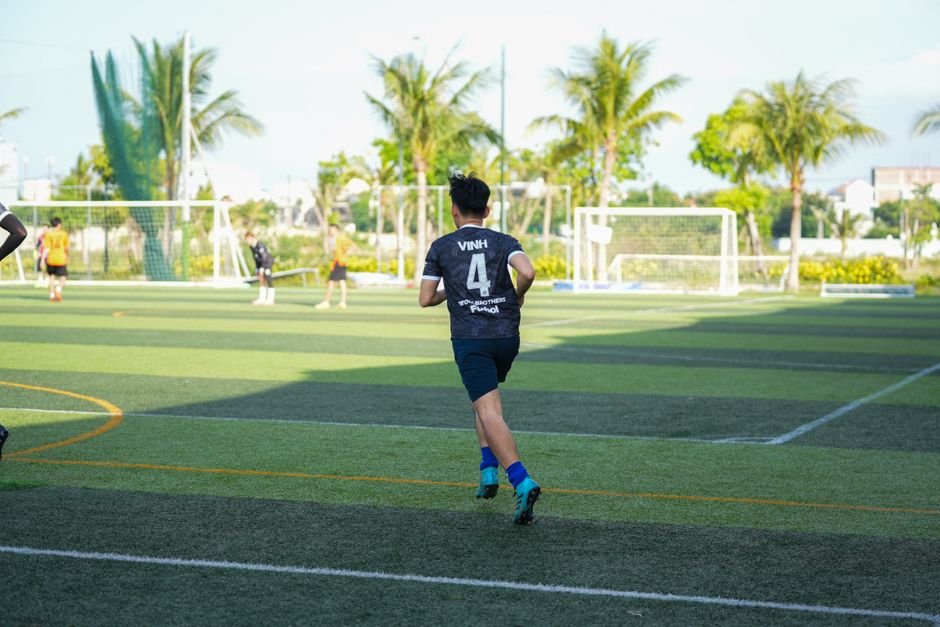
The participation numbers tell a compelling story about who we are as a sporting community. Fresh data from the Sunshine Coast Youth Sports Alliance shows junior memberships across affiliated clubs have grown 23 percent since 2023, with roughly 14,500 young people now enrolled in structured programs. For a city that prides itself on outdoor living and athletic achievement, the trend suggests our reputation is backed by genuine grassroots commitment.
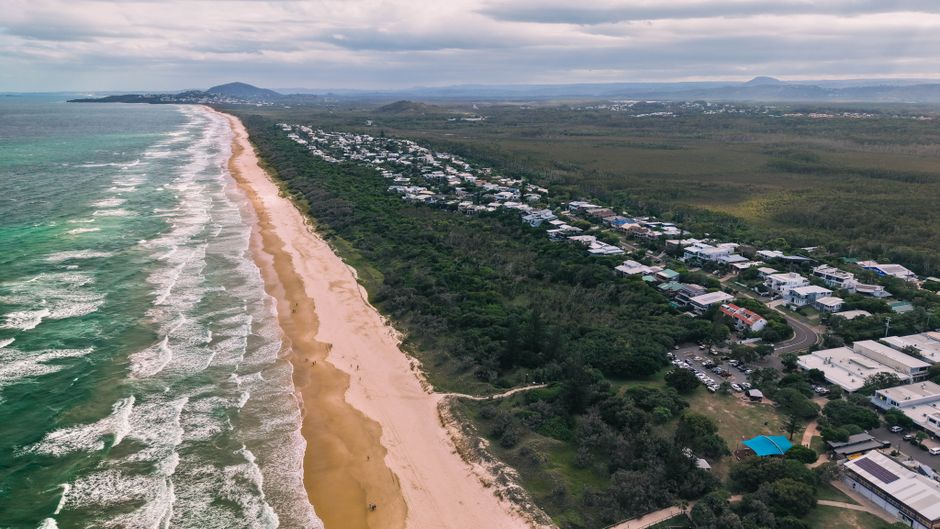
But dig deeper into the enrollment figures and a more nuanced picture emerges. Clubs clustered around the beachside precincts—particularly around Noosa and Mooloolaba—report waiting lists for soccer and swimming programs, while facilities in inland suburbs like Bli Bli and Palmwoods struggle to maintain consistent participation. The disparity underscores a fitness culture that remains geographically uneven, with affluent coastal areas capturing resources and attention that don't always flow inland.
Cost remains a significant barrier. Average junior membership fees for competitive sports now range from $180 to $450 per term, placing organized sport out of reach for many families. The Sunshine Coast Council's subsidy program, which covers 40 percent of fees for eligible participants, currently reaches fewer than 8 percent of registered young athletes. That's a gap worth examining.
What the data does reveal is where our community's priorities lie. Swimming and soccer dominate participation figures, accounting for nearly 40 percent of all junior enrollments. But emerging sports tell another story: netball participation jumped 31 percent year-on-year, while skateboarding and climbing clubs—often requiring lower membership fees—have seen explosive growth among younger age groups. These grassroots movements suggest young Sunshine Coasters are seeking alternatives to traditional sports hierarchies.
Perhaps most telling is the gender split. Girls now comprise 48 percent of junior sport participants across the coast, a significant shift from five years ago when the figure hovered around 38 percent. Programs specifically designed for female athletes—from junior netball leagues to women's-focused fitness initiatives—appear to be resonating.
The broader fitness culture emerging from these numbers is one of selective enthusiasm: deeply committed in pockets, growing in unexpected directions, but unevenly distributed across postcodes and demographics. For a city that celebrates its active identity, understanding these participation patterns isn't just academic. It's essential for building a truly inclusive sporting community.
This article was compiled by AI from the sources linked above and screened before publishing. See our editorial standards.
This article was produced by the The Daily Sunshine Coast editorial desk and covers sport in Sunshine Coast. See our editorial standards for how we use AI.
Enjoyed this story? Get tomorrow's briefing free.
Daily brief
Enjoyed this? Wake up to Sunshine Coast news every morning.