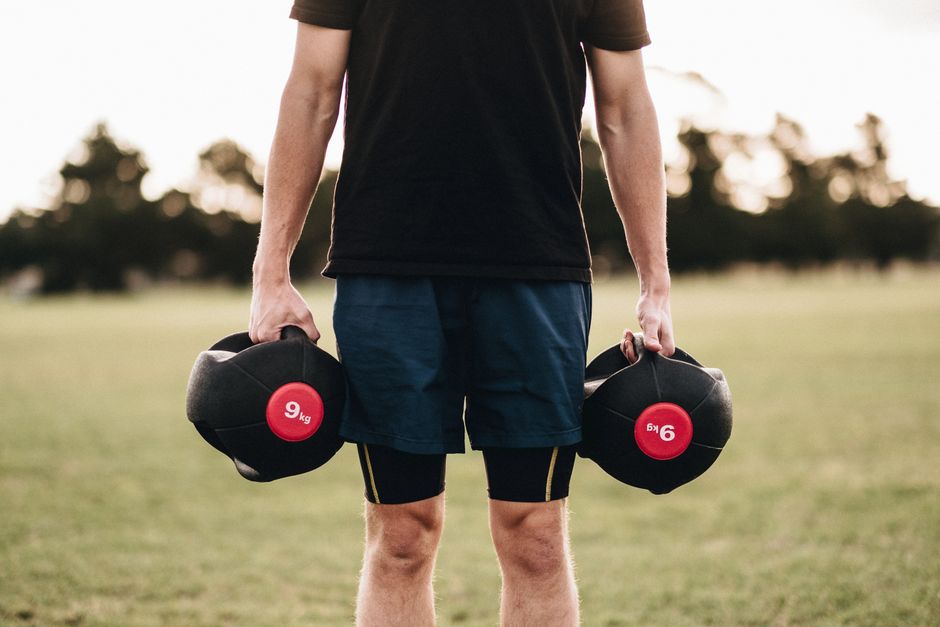
Five years ago, a handful of fitness enthusiasts gathered in the Maroochydore car park near the Sunshine Coast Stadium with nothing but resistance bands and determination. Today, that informal gathering has blossomed into a community fitness movement that encompasses dozens of grassroots training groups, outdoor bootcamps, and neighbourhood running clubs across the region.
The shift reflects a broader trend sweeping through Sunshine Coast suburbs. Rather than relying solely on commercial gyms—where membership costs average $15–25 per week—residents are reclaiming public spaces. Alexandra Headland's beachfront precinct now hosts three regular outdoor training sessions weekly. Caloundra's Kings Beach attracts 40+ participants to Tuesday evening circuits. Even the quieter Coolum community has launched a walking collective that meets three times weekly along Coolum Beach Boulevard.
Local fitness provider data suggests participation in community-led training has grown 60% since 2021. Commercial gyms remain popular, but the grassroots movement has carved out a distinct niche, particularly among families and older adults seeking low-cost, socially connected fitness options.
"What started as neighbours helping neighbours has become something genuinely meaningful," explains the leadership behind several Sunshine Coast community fitness initiatives. Volunteers—teachers, tradies, healthcare workers, retirees—donate time to lead sessions, manage WhatsApp groups, and organise monthly social events that reinforce group bonds.
The economics are compelling. A quarterly community bootcamp pass costs around $40, compared to $240–400 for equivalent gym membership. More importantly, the barrier to entry has dissolved. Participants range from teenagers preparing for school sport to pensioners managing chronic health conditions. The diversity itself has become the movement's greatest asset.
Local council support has amplified the trend. Improved lighting at foreshore reserves, designated fitness zones at Kawana Waters Park, and free Wi-Fi hotspots at key gathering points have legitimised grassroots spaces. Three council-backed community fitness festivals held annually now draw 2,000+ participants.
Yet challenges persist. Weather disruptions, volunteer burnout, and uneven access across suburbs remain genuine concerns. Southern neighbourhoods like Buderim and Mapleton have fewer established groups, reflecting socioeconomic pockets where formal fitness infrastructure remains thin.
Still, the movement's trajectory is unmistakable. Sunshine Coast residents are rewriting the fitness narrative—proving that transformation doesn't require corporate sponsorship or expensive memberships. It requires only commitment, community, and a willingness to show up.
This article was compiled by AI from the sources linked above and screened before publishing. See our editorial standards.