The Sunshine Coast's grassroots sports landscape is experiencing a renaissance. Across the region's established clubs—from the Alexandra Headland Surf Life Saving Club to Maroochydore Junior Football Club—youth participation has surged over the past three years, with combined memberships now exceeding 8,500 participants aged 5-18.
The growth reflects a deliberate shift in how local organisations approach youth development. Rather than focusing purely on elite athlete production, clubs are embracing a community-centred model that prioritises accessibility, skill-building, and social connection.
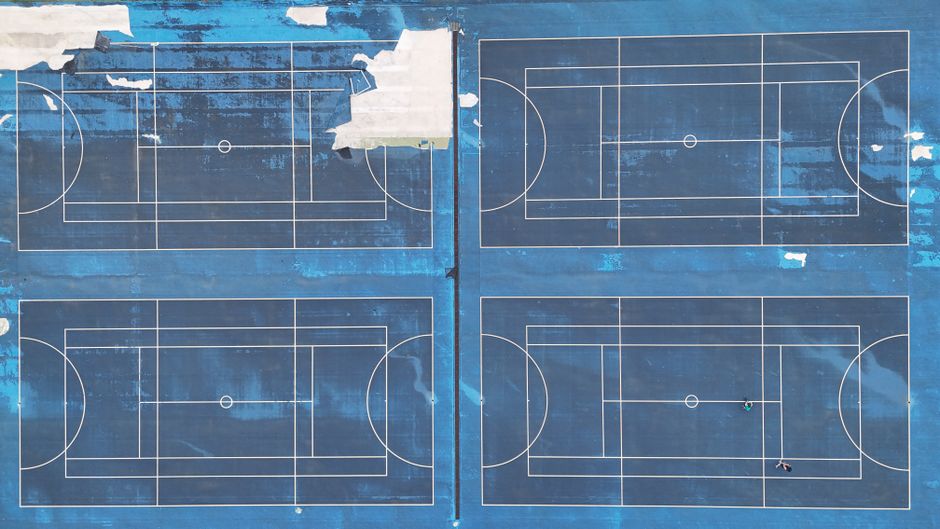
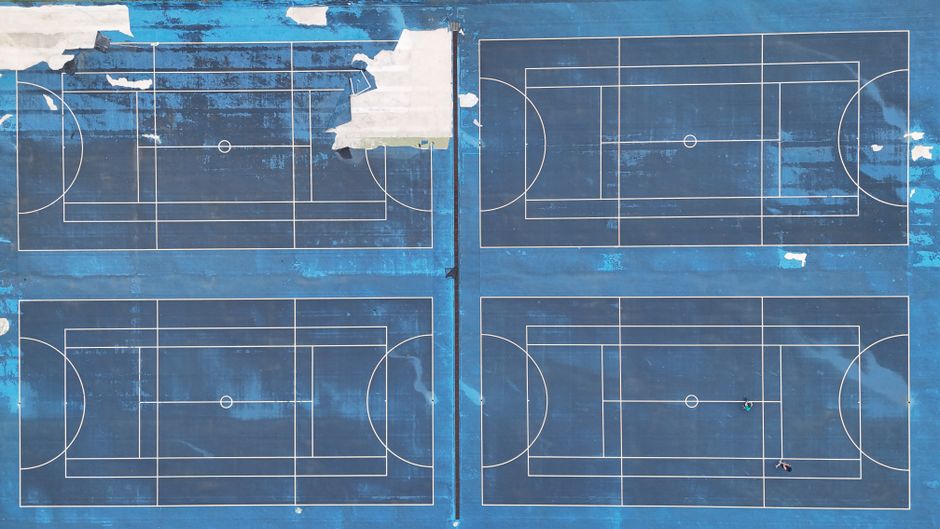
At Mooloolaba Netball Association, participation among juniors has grown 34% since 2024, with the club now offering modified-court programs for under-9s across three venues in the Kawana precinct. Operating fees remain competitive at $195 per season, with scholarship programs ensuring cost doesn't exclude families facing financial constraints.
"Community resilience starts with young people having somewhere to belong," explains volunteer-led management at Sippy Downs Junior Cricket Club, which has expanded its winter coaching roster from six to fourteen accredited instructors. The club now operates Saturday morning fixtures in both T20 and traditional formats, attracting families who appreciate the flexibility.
Infrastructure investment is underpinning this expansion. The Sunshine Coast Council's $2.3 million upgrade to facilities at Kawana and Cotton Tree has enabled clubs to host concurrent training sessions and competitions. This removes traditional bottlenecks that previously capped participation.
Beyond winning matches, clubs are embedding leadership development into their offerings. Junior mentorship programs at Buderim Australian Rules Football Club pair older players with newcomers, creating pathways where young athletes learn responsibility alongside sport-specific skills. Similar models operate across basketball, rugby league, and athletics clubs throughout the region.
The volunteer ecosystem deserves particular recognition. Over 420 volunteers currently support grassroots sport on the Sunshine Coast—coaches, committee members, and groundskeepers who donate an estimated 12,000 hours annually. This labour-intensive infrastructure depends on community goodwill and modest local government grants, making retention a constant challenge.
Yet the momentum is palpable. Clubs report waiting lists, thriving social events beyond fixtures, and families who maintain involvement across multiple seasons. The Sunshine Coast's geographic spread—from Caloundra to Noosa—means local clubs function as neighbourhood anchors, particularly for families new to the region.
As winter sports gain momentum and summer programs plan expansion, grassroots sport continues proving its worth: not simply as a development pathway for elite athletes, but as an essential infrastructure for community cohesion, youth wellbeing, and civic participation.
This article was compiled by AI from the sources linked above and screened before publishing. See our editorial standards.