property
Renting on the Sunshine Coast Now Costs More Than Buying in Parts of Regional Queensland, But Sydney Still Wins the Misery Index
A fresh look at what renters and buyers actually pay each week reveals the Sunshine Coast's affordability story is far more complicated than the lifestyle brochures suggest.
How we reported this
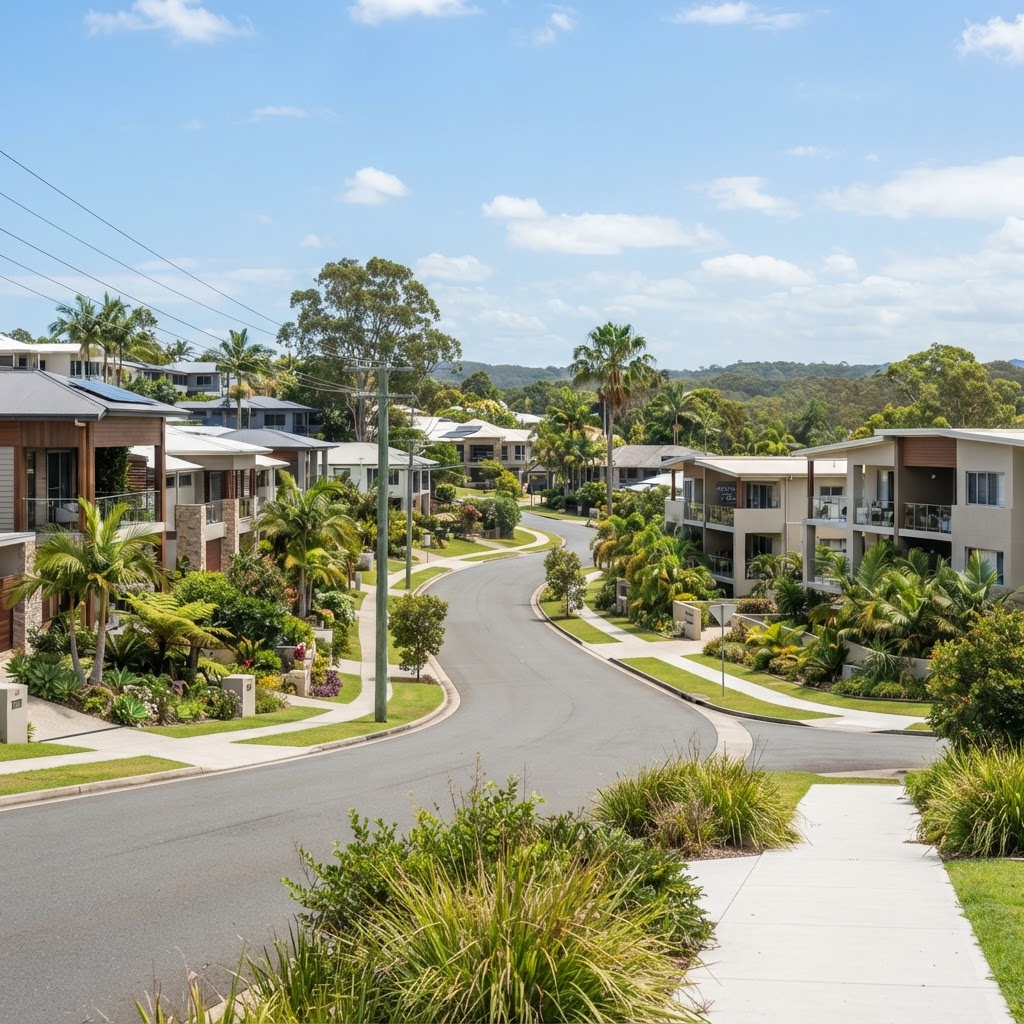
The numbers are stark. A three-bedroom rental in Maroochydore is now regularly advertised above $750 per week, while comparable properties in outer western Sydney suburbs are listing for $600 to $650, a reversal that would have seemed absurd five years ago and that is reshaping how both renters and would-be buyers calculate their next move.
The comparison matters right now because Queensland's statewide median dwelling price sits around $880,000 as of mid-2026, and the Sunshine Coast sits well above that figure in most established suburbs. Generation Z buyers, who research consistently shows still want to own, not just rent, are running the numbers and finding the Coast's rental market offers almost no relief compared to the purchase market. The gap between renting and servicing a mortgage has narrowed to the point where the old rule of thumb, that renting buys you time to save, no longer holds cleanly.
What the Local Market Is Actually Doing
Noosa Heads sits in its own stratosphere, with median house prices above $2 million making the rent-versus-buy equation almost academic for first-timers. But the more instructive stress points are in the middle market. Buderim, Cotton Tree, and the emerging Maroochydore CBD precinct, where the new city centre construction continues to add apartment stock along Cornmeal Creek, are the suburbs where the tension is most visible. A two-bedroom apartment in the Maroochydore CBD is currently leasing for $680 to $720 per week, while equivalent new units in the same precinct are selling from $650,000 to $750,000. At current variable mortgage rates, a buyer with a 20 per cent deposit on a $700,000 purchase is looking at weekly repayments in the same ballpark as the rent, before accounting for rates, body corporate fees, and maintenance.
That dynamic is driving renewed interest in programs like the Queensland Housing Finance Loan, administered through the state government's Department of Housing, which offers concessional lending to eligible low-to-moderate income buyers who cannot access conventional finance. The Sunshine Coast Council's own housing affordability work, including its engagement with the South East Queensland Regional Plan process, has flagged the corridor between Caloundra and Sippy Downs as a priority zone for increased medium-density supply. Whether that supply arrives fast enough to move the rental dial is another question entirely.
How the Coast Compares to the Capitals
The rental versus capital city comparison cuts both ways. Melbourne's auction clearance rate has slumped badly in the first weeks of winter 2026, and distressed vendors in that market are creating pockets of buying opportunity that simply do not exist on the Coast right now. A buyer priced out of Mooloolaba, where the Esplanade remains one of the most tightly held strips of real estate in Queensland, could theoretically take their $700,000 budget to Melbourne's middle ring and find more purchase options, but they would be trading a lifestyle premium that is genuinely hard to quantify.
Brisbane renters have seen rents ease slightly in some inner suburbs during the first half of 2026 following a wave of new apartment completions, but that relief has not meaningfully flowed north to the Coast. The distance from Caloundra to Brisbane's CBD is roughly 90 kilometres, close enough to sustain the remote worker demographic that turbocharged Coast prices from 2020 onwards, but far enough that Coast landlords have historically been able to price as a distinct market.
For prospective buyers still sitting on the fence, the practical calculation is this: if your rent is already above $650 per week, the weekly cost difference between renting and buying a modestly priced Coast property is smaller than it has been in at least a decade. Financial advisers consistently point buyers toward getting independent mortgage broking advice and checking current eligibility for the federal government's Home Guarantee Scheme, which allows qualifying first-home buyers to enter with a five per cent deposit. The scheme's property price caps for Queensland regional areas were last updated in late 2024, so buyers should verify current thresholds before making assumptions about eligibility. The Sunshine Coast's market will not wait for certainty.
This article is general information only and is not personal financial or investment advice. Consider your own circumstances and seek licensed professional advice before making financial decisions.