For decades, Sunshine Coast property buyers focused on two metrics: proximity to the beach and school catchments. Today, a third consideration is quietly reshaping the market: climate resilience.
Insurance data and real estate trends suggest that flood-prone suburbs and bushfire-adjacent areas are beginning to attract discounts relative to their peer suburbs. While Noosa Heads remains a $2M+ stronghold, properties in lower-lying Maroochydore and the hinterland around Mapleton are seeing more cautious buyer inquiry, particularly for older stock without elevated foundations or modern stormwater management.
"We're now routinely asked about council flood mapping and insurance history," says one Sunshine Coast agent. Climate reports that were once afterthoughts are now deal-breakers. First-home buyers—already stretched by a $880k Queensland median—are becoming particularly sensitive to long-term risk and rising premiums in high-exposure zones.
The risk is real. The 2022 east coast floods affected properties from Coolum to Kawana Waters, with some areas experiencing their worst inundation in a generation. More recently, bushfire seasons have encroached on suburbs like Kenilworth and Mapleton, where hinterland properties face dual exposure: water and flame.
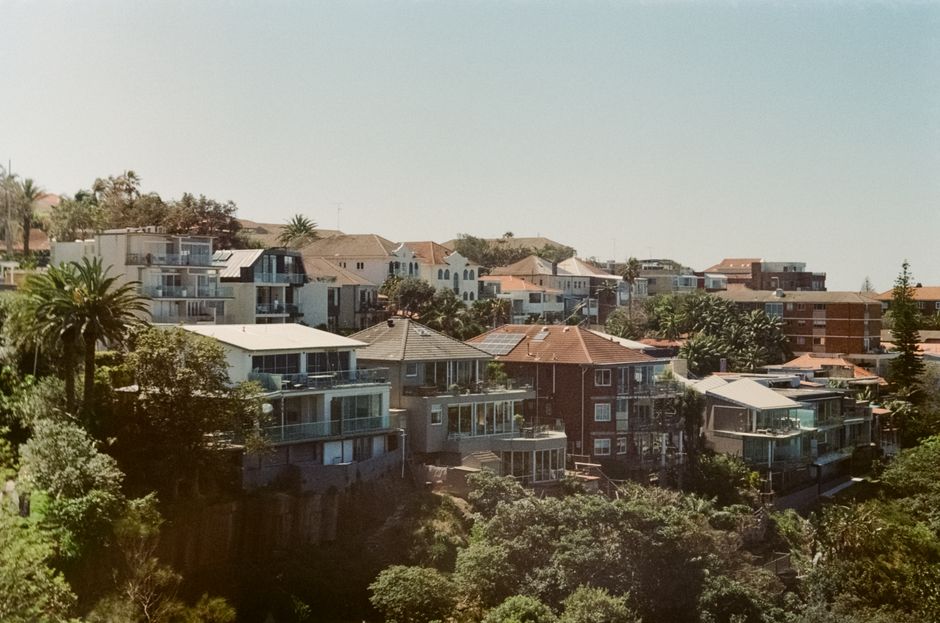
Council data now shows that properties in elevated, well-drained areas—think Buderim, with its hilltop vantage and low flood risk—command quiet premiums, even if they lack beach proximity. By contrast, beachfront and low-lying riverside homes in Mooloolaba and Noosaville, once considered trophy purchases, now include climate resilience scores in formal valuations.
Insurance is tightening the screws. Premiums for high-risk flood zones have jumped 20–30% in two years, and some underwriters are restricting new policies altogether. This dynamic ripples through the market: buyers now factor insurance costs into their 30-year holding horizon, not just purchase price.
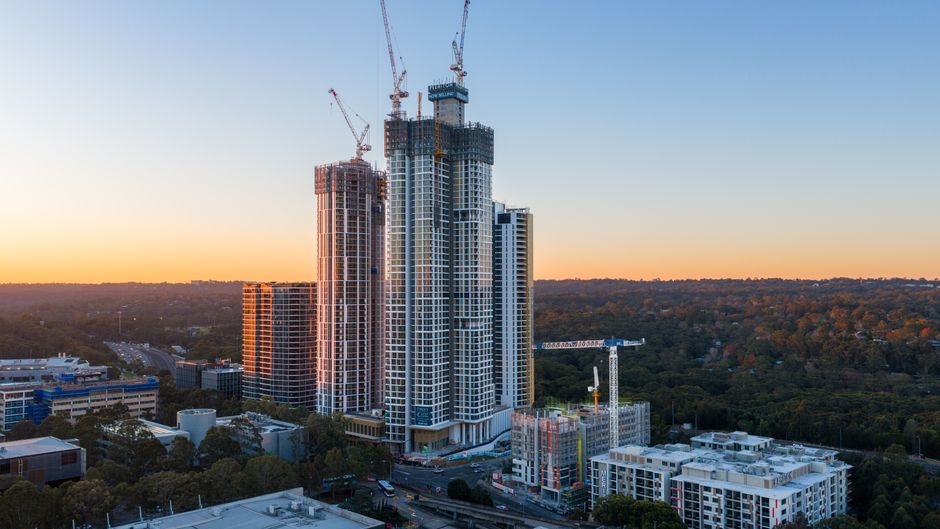
For investors and developers, the shift is creating opportunity in resilience plays. New projects that prioritize elevated design, native bushland buffers, and water management are marketing themselves explicitly as climate-prepared. The Maroochydore CBD redevelopment, with its modern stormwater infrastructure, is quietly positioning itself as a safer alternative to aging coastal suburbs.
The Sunshine Coast remains a desirable market—remote work demand and lifestyle premiums are holding firm. But the calculus has changed. Buyers are no longer asking just "Will this property appreciate?" They're asking "Will it still be insurable and livable in 2050?" That question is reshaping suburb-by-suburb valuations across the region.
This article was compiled by AI from the sources linked above and screened before publishing. See our editorial standards.