As demand for accessible accommodation grows on the Sunshine Coast, investors and families are discovering how the NDIS is reshaping the property landscape.
Our reporters are based in Sunshine Coast and cover local government, business and community. The Daily Sunshine Coast is independently owned and editorially independent. Read our editorial standards →
The National Disability Insurance Scheme has quietly become one of Australia's most significant drivers of property investment, and the Sunshine Coast is no exception. With QLD's median property price hovering around $880,000 and regional markets like ours attracting remote workers and lifestyle seekers, a new cohort of investors is targeting NDIS-funded disability housing—a sector offering stable, long-term returns.
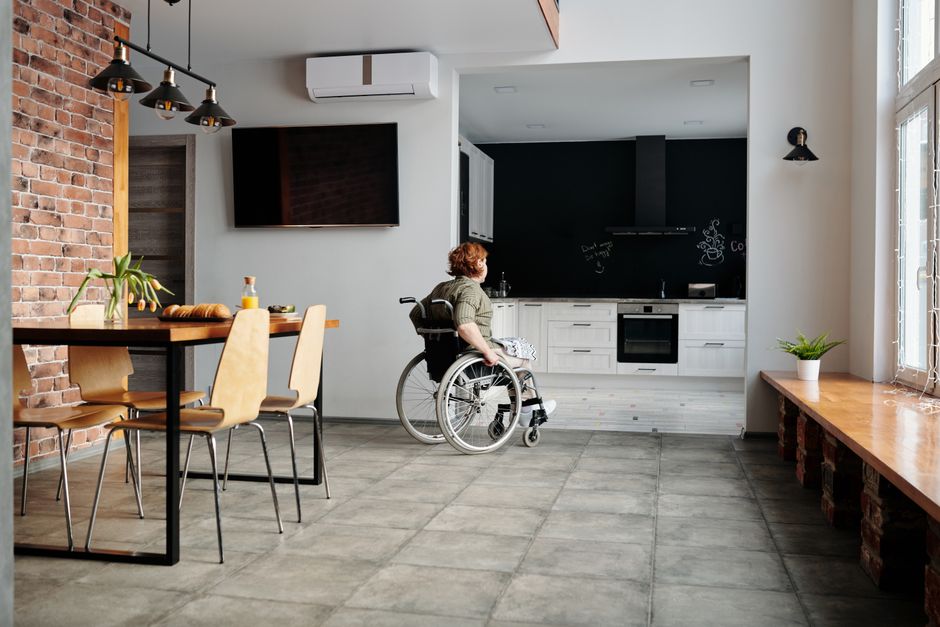
NDIS participants receive funding to secure appropriate accommodation, creating predictable tenant demand. Unlike traditional residential investment, NDIS housing typically involves purpose-built or substantially modified properties. Common modifications include wheelchair-accessible bathrooms, wider doorways, level entry, and proximity to services in suburbs like Caloundra, Sippy Downs, and Maroochydore.
"The opportunity sits at the intersection of social impact and investment yield," explains accessibility specialists working across the Coast. Properties purchased in the $600,000–$900,000 range in accessible locations—near Sunshine Coast Hospital, Kawana Waters shopping precinct, or along coastal transport corridors—attract NDIS participants or their families seeking secure, modifiable homes.
Investors structure deals in several ways. Some purchase properties, modify them to NDIS specifications, and lease to disability service providers managing participant accommodation. Others work directly with families whose NDIS plans allocate housing budgets. A third approach involves joint ventures with registered disability accommodation providers, who guarantee occupancy and manage tenant relationships.
Returns vary but typically exceed standard residential yields. A property purchased at $750,000 in Maroochydore, modified for $80,000–$150,000, can generate 4–6 per cent annual returns through NDIS-funded leases—higher than comparable unmodified stock. Critically, these arrangements often include vacancy protection clauses, reducing investor risk.
Tax incentives sweeten the proposition. Modifications and accessibility improvements claim depreciation deductions. Some investors access concessional finance rates via disability-focused lending schemes. Crucially, the NDIS funding model—participant plans refresh annually and are generally secure—minimises the tenant churn risk plaguing traditional rentals.
Yet challenges exist. Finding suitable land or properties in Sunshine Coast suburbs zoned for residential use requires patience. Council approvals for significant modifications can slow projects. Investors must navigate NDIS compliance requirements and ensure properties meet evolving accessibility standards.
For families of NDIS participants, this trend offers advantages too. Rather than competing in tight rental markets for accessible homes, families can purchase properties knowing NDIS housing funding covers rent or mortgage support.
As the Sunshine Coast continues attracting residents and the Maroochydore CBD develops, NDIS-focused property investment is emerging as a thoughtful, yields-backed response to genuine accommodation shortages. It's an investment category worth monitoring closely.
This article was compiled by AI from the sources linked above and screened before publishing. See our editorial standards.
This article was produced by the The Daily Sunshine Coast editorial desk and covers property in Sunshine Coast. See our editorial standards for how we use AI.
Enjoyed this story? Get tomorrow's briefing free.
Daily brief
Enjoyed this? Wake up to Sunshine Coast news every morning.