Negative gearing and tax benefits for investors explained
As Sunshine Coast property values climb toward the $880k median, savvy investors are using depreciation and loss deductions to offset tax—but the strategy comes with hidden costs.
Our reporters are based in Sunshine Coast and cover local government, business and community. The Daily Sunshine Coast is independently owned and editorially independent. Read our editorial standards →
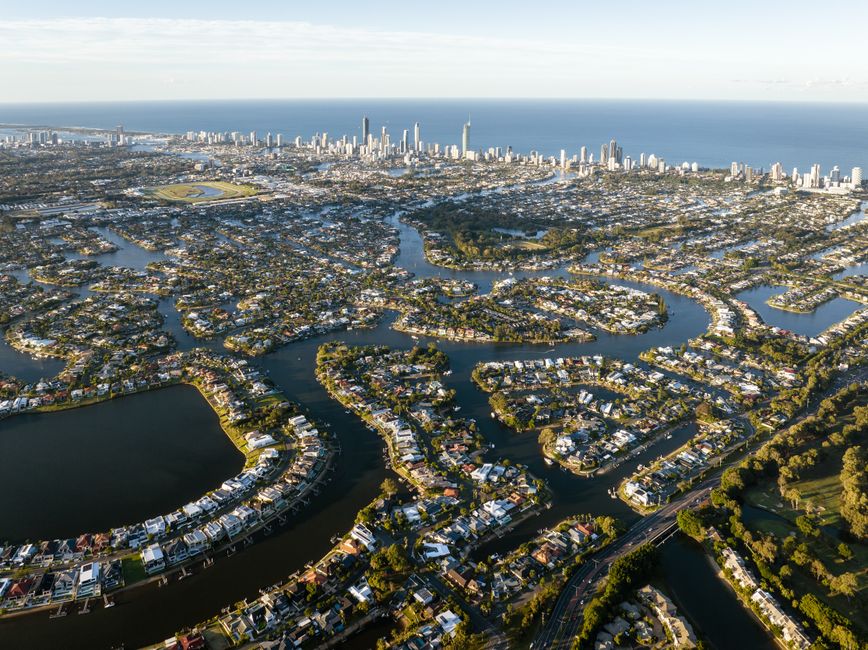
Negative gearing remains one of the most misunderstood wealth-building tools for Australian property investors, yet it's particularly relevant on the Sunshine Coast as remote workers and lifestyle seekers push median values higher and rental yields tighter.
Put simply, negative gearing occurs when your investment property's annual costs—mortgage interest, council rates, insurance, maintenance, and body corporate fees—exceed rental income. That loss can then be deducted against your other taxable income, reducing your overall tax bill. For a Coolum Beach investor holding a $1.2 million beachfront apartment, or a Noosa Heads portfolio worth $2 million-plus, the annual tax deduction can be substantial.
The appeal is obvious. Suppose you earn $150,000 a year and own a negatively geared property losing $8,000 annually. You can claim that $8,000 against your salary, dropping your taxable income to $142,000. At the 39% marginal tax rate (including Medicare levy), you've effectively recovered $3,120 in tax. Over a decade, that's $31,200 in tax relief while your property appreciates.
However, the Australian Tax Office (ATO) has tightened scrutiny. You must demonstrate genuine intent to derive rental income—the property must be actively marketed, and you can't claim losses indefinitely if there's no realistic prospect of profit. A Maroochydore CBD apartment renting for $450 per week against a $400,000 purchase price will face closer ATO examination than a neutral-cashflow investment.
Depreciation is another tool. Under Division 43 of the Income Tax Assessment Act, investors can claim building depreciation (2.5% annually on new properties) and plant depreciation (fixtures, carpets, kitchens). A newly built Buderim apartment might generate $6,000–$8,000 in annual depreciation claims—tax-deductible without cash outlay. This advantage diminishes as properties age and building allowances decline.
The catch? Negative gearing works best for high-income earners in top tax brackets. A retiree on the age pension gains nothing. Additionally, the strategy assumes capital growth. If your Caloundra investment property appreciates 4% annually while costing you $6,000 after tax benefits, you're banking on long-term equity gain to justify short-term cashflow pain.
Tax law changes—particularly around negative gearing for established properties—have been floated federally for years. The Sunshine Coast's booming market may attract fresh legislative attention as affordability concerns mount.
Before committing, engage a tax accountant and stress-test scenarios. Negative gearing is leverage on the tax side, and leverage always cuts both ways.
This article was compiled by AI from the sources linked above and screened before publishing. See our editorial standards.
This article was produced by the The Daily Sunshine Coast editorial desk and covers property in Sunshine Coast. See our editorial standards for how we use AI.
Enjoyed this story? Get tomorrow's briefing free.
Daily brief
Enjoyed this? Wake up to Sunshine Coast news every morning.