Rentvesting strategy: rent where you live, buy where you can afford
Sunshine Coast professionals are ditching the dream of owning in beachside hotspots, instead renting locally and investing in affordable growth markets.
Our reporters are based in Sunshine Coast and cover local government, business and community. The Daily Sunshine Coast is independently owned and editorially independent. Read our editorial standards →
The Sunshine Coast's lifestyle premium has created a paradox for young professionals and remote workers: live where you love, or own where you can afford. An increasing number are choosing both through rentvesting.
The strategy is straightforward. Rent in desirable, amenity-rich neighbourhoods—think Coolum Beach or around the revamped Maroochydore CBD—while purchasing investment property in suburbs with genuine growth potential but lower entry prices. On the Coast, this means paying $450–$550 per week to rent a two-bedroom near patrolled beaches and cafés, while buying a solid unit or house an hour inland for $550,000–$700,000.
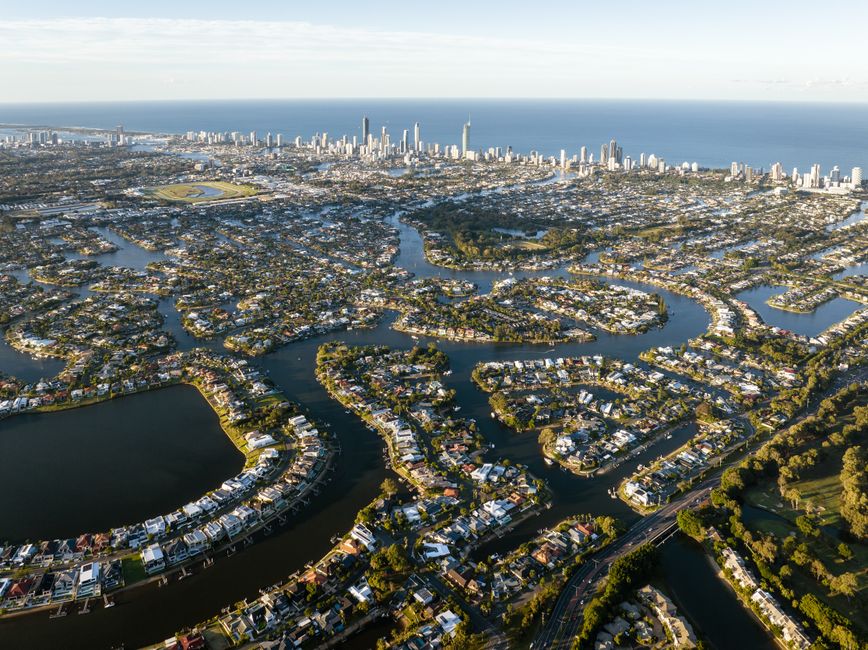
"We're seeing this play out constantly," says local property analyst data. Queensland's median sits around $880,000, but Sunshine Coast beachside commands a lifestyle premium that stretches first-home buyers and investors alike. Noosa Heads properties regularly exceed $2 million. Meanwhile, suburbs like Buderim, Palmwoods, and Mapleton offer relative value with solid rental yields and proximity to employment hubs.
The numbers work because rentvesting divorces lifestyle from equity building. A professional renting a three-bedroom in Mooloolaba—walking distance to the beach, near Cotton Tree Park and Quota Street shops—might pay $520 weekly. That same person could purchase a townhouse in nearby Bli Bli or Mountain Creek for $650,000, secure a 4–5 per cent gross yield, and let tenant income offset the mortgage. The lifestyle cost is fixed; the asset grows.
Tax advantages sweeten the deal. Mortgage interest, rates, maintenance, and property management fees are deductible against rental income. Depreciation claims on newer properties add further benefit. Over ten years, modest capital growth compounds while the tenant builds equity.
However, rentvesting requires discipline. Rental income rarely covers the full mortgage in today's Sunshine Coast market. Owners must service the shortfall—typically $150–$250 weekly—from their own pocket. Rising interest rates and vacancy risks demand financial buffers. First-home buyer grants and schemes also favour owner-occupiers, not investors.
For remote workers, the strategy is particularly compelling. The Coast attracts talent from Sydney and Melbourne seeking lifestyle at lower cost. Renting here—even at premium rates—often undercuts purchasing in their former cities. Simultaneously, inland investment markets offer entry points and rental demand from service workers and families seeking affordable Coast living.
The Maroochydore CBD's ongoing transformation will likely sharpen this divide. New apartments and jobs may push rents higher in coming years, making today's rentvesting strategy a smart hedge against being priced out of the lifestyle entirely.
This article was compiled by AI from the sources linked above and screened before publishing. See our editorial standards.
This article was produced by the The Daily Sunshine Coast editorial desk and covers property in Sunshine Coast. See our editorial standards for how we use AI.
Enjoyed this story? Get tomorrow's briefing free.
Daily brief
Enjoyed this? Wake up to Sunshine Coast news every morning.