policy
Sunshine Coast council adopts new short-term rental regulations aligned with state standards
New council rules will limit short-term rental properties, aiming to balance tourism and residential needs for Sunshine Coast communities.
How we reported this
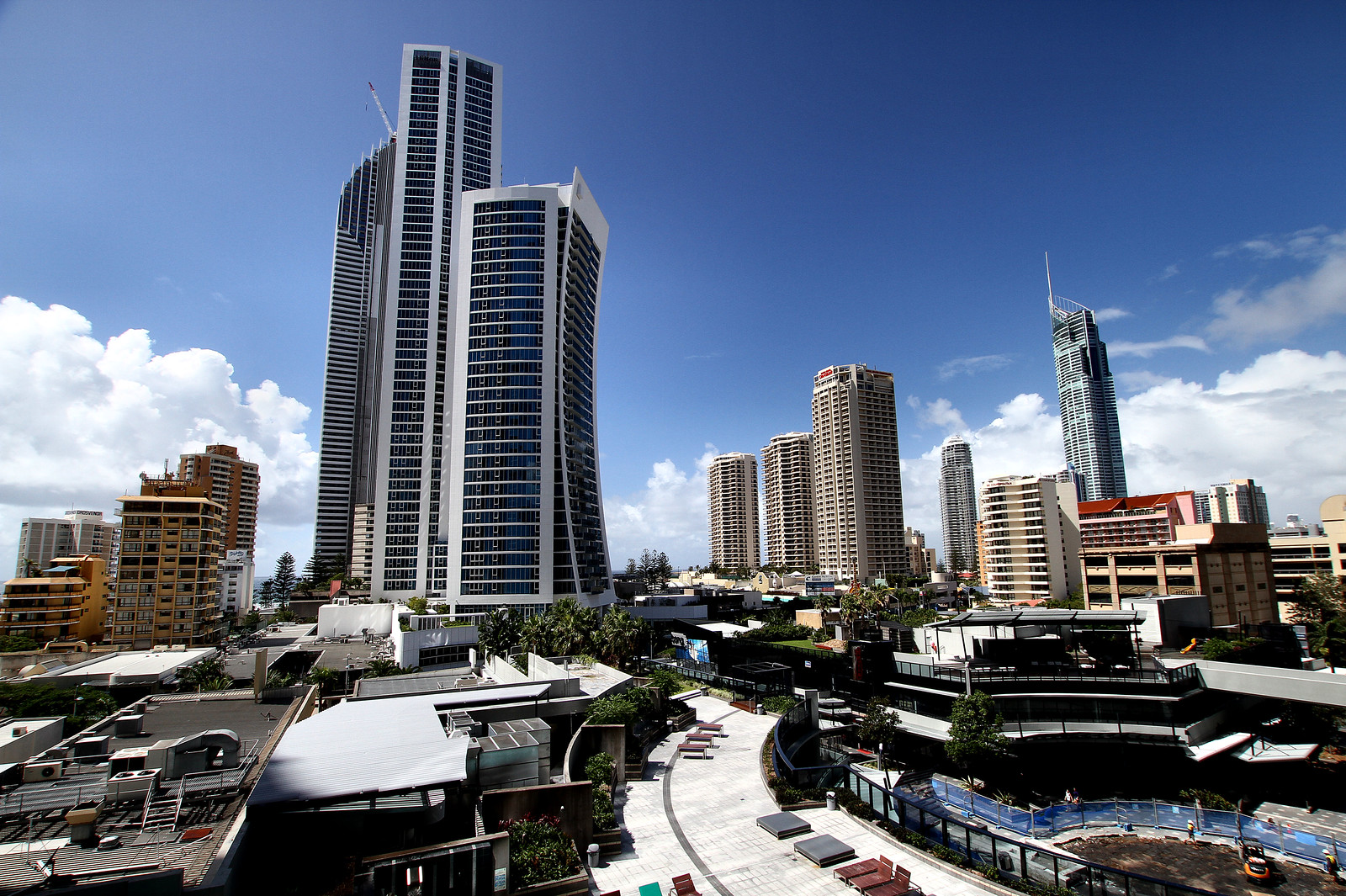
The Sunshine Coast Regional Council voted on July 10 to implement updated regulations governing short-term rental (STR) properties across the region. The rules introduce a cap on the number of allowable STRs in residential zones and require property owners to register with the council and comply with specified safety and amenity standards.
This policy decision follows growing concerns among residents about the impact of short-term rentals on housing affordability and neighbourhood amenity. With tourism remaining a vital part of the Sunshine Coast economy, the council sought to strike a balance between supporting visitor accommodation options and protecting long-term rental stock.
Significance for Sunshine Coast residents
Under the new regulations, property owners in residential areas can only rent short-term to visitors for up to a maximum of 90 days per year unless they hold a commercial zoning permit. The council has also mandated limits on noise, waste management, and guest numbers to reduce disruptions to local communities. Residents affected by STR properties now have a clearer channel for lodging complaints, and the council has allocated resources for compliance monitoring.
For locals seeking housing, limiting the number of STRs is expected to help preserve rental availability and stabilise prices in popular suburbs such as Mooloolaba, Maroochydore, and Noosa Heads, where short-term letting has surged in recent years. The council report notes that STR properties currently make up approximately 12 percent of the region's total dwelling stock, a figure above the Queensland regional average of 8 percent.
Comparing Sunshine Coast rules with other councils
The council’s approach aligns closely with nearby Gold Coast City’s October 2025 short-term rental framework, which capped STR days at 90 in residential zones and requires a local license. In contrast, Brisbane City Council maintains a more permissive stance, allowing unlimited STR days but enforcing strict amenity conditions, reflecting its higher urban density and different housing pressures.
Sunshine Coast’s policy is informed by the 2024 Queensland Government’s statewide STR guidelines and a Productivity Commission report from 2025 that linked unregulated STR growth to reduced rental supply and community friction in regional areas. Council documents estimated that enforcing the new regulations will incur $450,000 annually in compliance and administration costs, funded partly through registration fees expected to raise $120,000 per year.
The government projects the policy will slow the growth of STR properties in residential zones by 15 to 20 percent over the next three years, maintaining local housing availability while sustaining tourism accommodation options in commercial precincts.
Council will review the implementation effects in late 2027, allowing for adjustments as market conditions evolve. Meanwhile, property owners are required to register all STR listings by October 1, 2026, or face penalties from November 2026 onwards. Community education sessions and an online portal are being established to assist compliance and resident engagement.