policy
Sunshine Coast Council approves short-term rental levy to expand community services budget
Revenue from the new levy on holiday lets will go to local programs that assist residents with housing support and social services in areas such as Maroochydore and Caloundra.
How we reported this
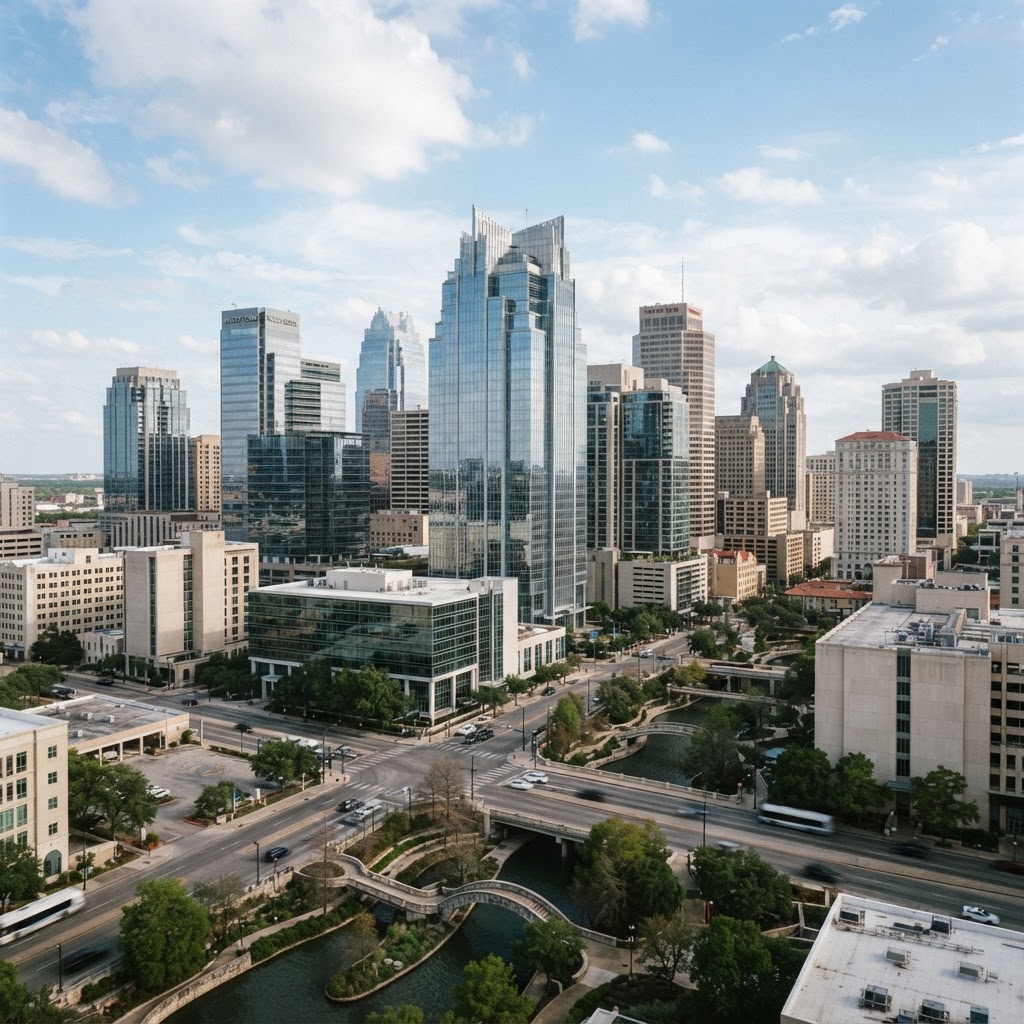
Sunshine Coast Council voted on 9 July to introduce a short-term rental levy that channels funds into community services. The measure requires operators of properties listed for fewer than 90 days a year to pay a charge based on nightly rates, with proceeds directed to council-run support programs.
The vote follows repeated council discussions about pressure on local housing supply from tourism accommodation. Council documents note that the levy forms part of the 2026-27 community services budget line and is separate from existing rates revenue.
Allocation of funds to local programs
Under the approved policy the collected amounts will support existing council services including emergency housing assistance and youth outreach teams operating from the Maroochydore administration centre. Residents who access these programs through the council's community hub in Caloundra will see the funding reflected in expanded case management hours rather than new standalone facilities.
Policy analysts note that the levy applies only to commercial short-term listings and does not alter planning controls on permanent residential dwellings. Daily costs for visitors using regulated platforms are therefore expected to rise by a small margin while long-term rental stock remains unaffected by the charge itself.
Implementation timeline and resident contact points
The legislation states that collection will begin from 1 October 2026 after council officers finalise registration requirements for property managers. Residents seeking information on how the revenue will be spent can attend the next community services committee meeting scheduled for August at the Sunshine Coast Council Chambers.
Council records show the community services budget currently stands at $14.8 million for the financial year. The levy is projected to contribute additional revenue within that envelope, allowing continuation of existing contracts with local service providers without immediate rate increases for ratepayers.