policy
QLD Planning and Development Code amendments: what Sunshine Coast residents need to know about coastal building rules
New state legislation tightens development controls on the coast and fast-tracks regional hospital expansion approvals, reshaping what can be built near beaches and how quickly health infrastructure reaches inland suburbs.
How we reported this
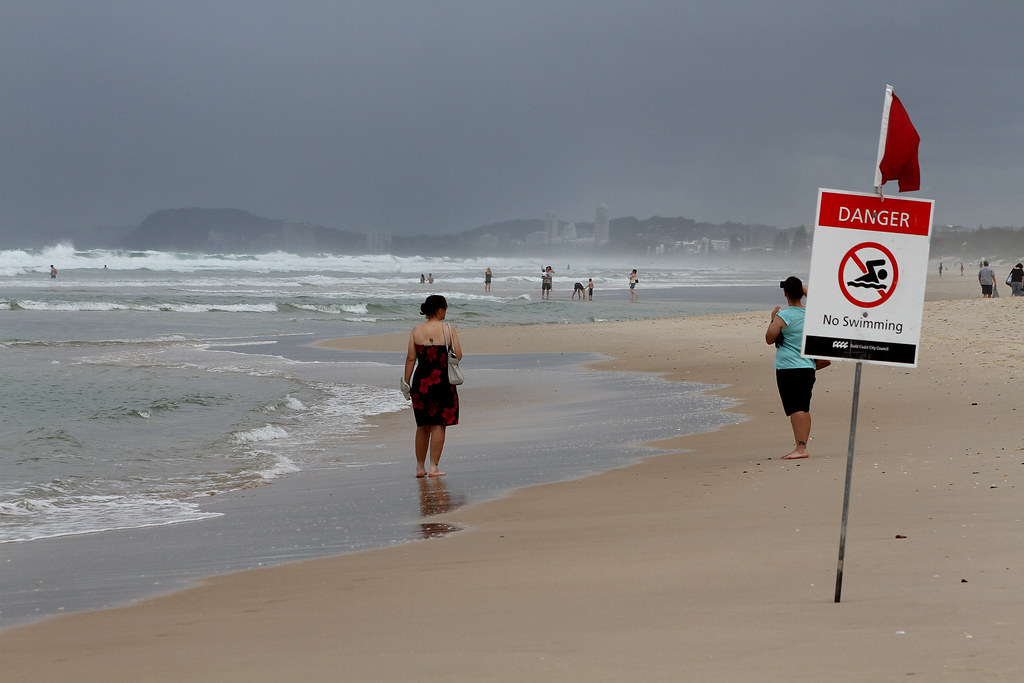
Queensland's Planning and Development Code amendments, due to take effect in September 2026, will rewrite the rules for coastal development on the Sunshine Coast and accelerate approvals for major regional health projects including the Sunshine Coast University Hospital expansion.
The changes come as the state government seeks to balance population growth with coastal protection after a decade of intensive beachfront development. Residents and property owners in suburbs from Caloundra to Noosa will face stricter setback requirements from the shoreline, while councils inland will see reduced assessment times for essential services infrastructure. For locals, that means fewer high-rise apartments blocking ocean views in some areas, but potentially higher construction costs for new homes on existing coastal blocks.
What the code actually changes for Sunshine Coast residents
The amendments impose a new mandatory 40-metre setback from the high tide mark for residential buildings of five storeys or more in coastal zones. Currently, local planning schemes allow buildings as close as 25 metres in some areas. Under the new rules, a proposed development in Mooloolaba or Kings Beach that would previously have cleared council approval in 12 months now faces a mandatory redesign or rejection if it breaches the setback. Existing homes are grandfathered in, but any renovation adding a second storey will trigger the new requirement.
For property owners thinking of selling a beachfront block, surveyors say the stricter setback will reduce developable floor space by 15 to 25 per cent on typical Sunshine Coast coastal blocks. An architect working on residential projects in the region noted that a four-bedroom house planned for a 600-square-metre block in Coolum can now fit 800 square metres of floor area under current rules; under the new code, that same block will accommodate roughly 650 square metres. Construction costs per square metre are unlikely to fall, meaning buyer prices will need to adjust downward unless the scarcity value of the remaining beachfront stock offsets the reduced yield.
The code also fast-tracks approval for regional hospitals and health facilities to 12 months maximum assessment time, down from the current 18 to 24 months for major projects. The Sunshine Coast University Hospital expansion, currently in early design phase with a projected opening in 2029, is expected to benefit. Council documents show the project occupies a 45-hectare site west of Birtinya and involves new emergency, surgical and maternity wings. Under the old timelines, regulatory approval alone could have stretched into 2027. The expedited pathway means more of the budget can now go to construction rather than holding costs during planning limbo.
What the numbers show and what comes next
Queensland Treasury data released in June 2026 shows the Sunshine Coast added 18,500 residents in the past three years, the fastest rate in South-East Queensland after Brisbane. The Planning and Development Code amendments are the state's response to pressure from coastal councils and conservation groups who argue the region cannot absorb another decade of waterfront density at the previous pace. Council submissions to the state government in 2025 estimated that beachfront redevelopment projects approved under the old code could have added 2,100 residential units to the coast by 2030.
The state government says the code takes effect from 1 September 2026. Councils must update local planning schemes within six months. For residents, this is a 90-day window to lodge development applications under the old rules if they want to avoid the stricter setbacks. Local planning departments expect a spike in pre-September applications. After September, the new 40-metre setback and the hospital fast-track pathway become binding.
The changes do not affect short-term rental regulations, which remain a separate matter for individual councils, nor do they override state land-use planning for the Maroochydore airport expansion or light rail feasibility studies. But they do signal that State Parliament sees coastal protection and health infrastructure speed as twin priorities for the region's next decade of growth.